


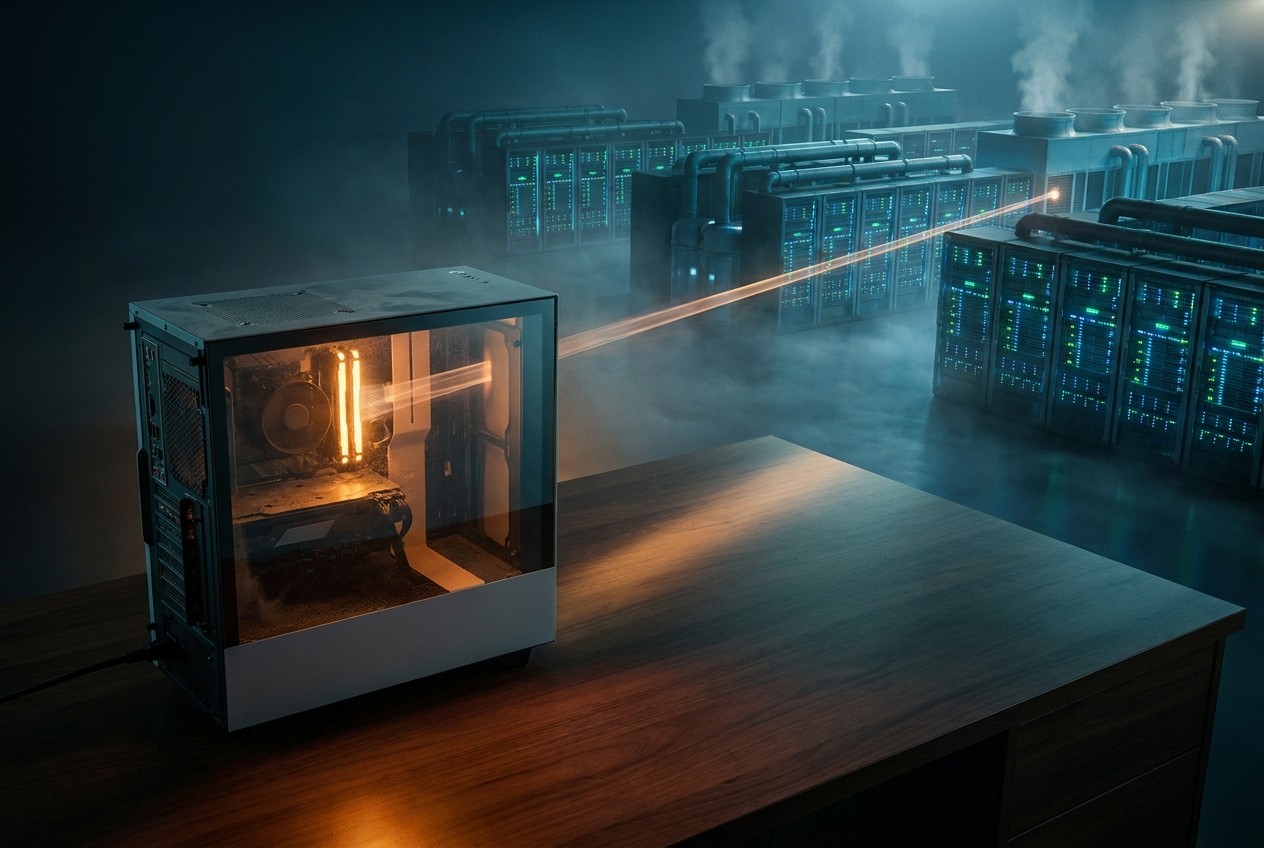
The comments were made on the YouTube channel Cheeky Pint, the report stated [2]. The remarks placed the debate over local computing versus cloud-based AI within a broader discussion of how a constrained global memory supply should be allocated, the report stated [3].
Comments Made During Cheeky Pint Interview
Altman discussed local inference on home computers running open-source models at approximately the 29-minute mark of the interview, according to the report [1].
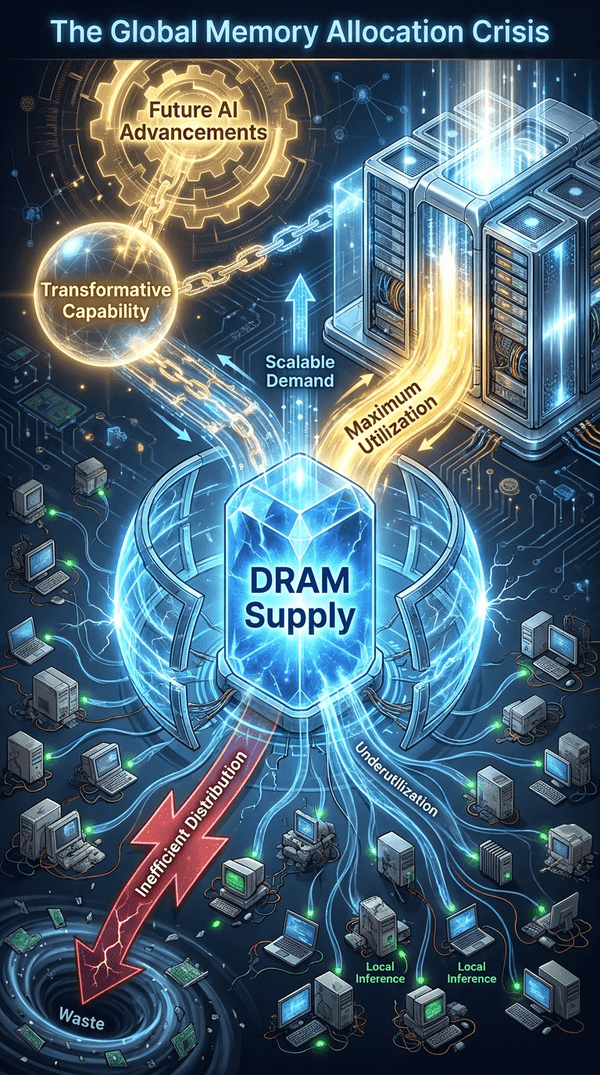
"From a global allocation perspective, actually, it's quite terrible to have everybody have a bunch of the world's limited supply of DRAM [dynamic RAM] sitting in their own computer and being used 5% of the time," the OpenAI CEO said during the interview. "You want maximum utilization in the cloud if you're trying to deal with this very supply-constrained environment. And somehow many people's intuition is the opposite of that."
Data Center Utilization Argument
The utilization case is tied to how cloud infrastructure pools hardware. According to Freedman's article, the OpenAI head's argument is based on the assumption that data center construction won't slow down, and that RAM being used in data centers is better than individual machines – ostensibly a pivot toward centralized cloud computing [1].
The prevalence of RAM in local machines could also mean that AI can now be used locally, without people paying for subscriptions. It also touches on fears of individual users no longer being allowed to own hardware or software, being relegated to renting for computing power on the cloud, according to Freedman's article [1].
Business and Market Context
"While OpenAI does have some open-source models, its primary business is in closed-source models that run in data centers, so he's really defending the company's business model," Freedman wrote [1].
The comments arrived amid a broader tightening of memory supply. A post by Shane The Gamer also pointed out that the AI boom has triggered a spike in DRAM prices in 2026 [2]. It cited several examples to illustrate the point.
Sony raised the PlayStation 5 Pro's official price in March 2026 due to the RAM shortage. This also prompted a spike in prices for used consoles to as much as $1,399 in October [2].
The post also cited the case of two graphics cards from Nvidia. The Nvidia RTX 5080 has disappeared from the chip manufacturer's own marketplace [2]. The Nvidia RTX 5090 followed the footsteps of its predecessor, being all but discontinued a few weeks before the RTX 5080's disappearance.
Even worse, the recent earnings call by Samsung also warned that memory supply is being directed to data centers. The Korean company warned that relief from the RAM shortage is not in the horizon for 2027, and that the supply crunch will continue [2].
References
- OpenAI CEO says it's 'quite terrible' for your PC to have RAM — Sam Altman says data centers offer better utilization. https://www.tomshardware.com/tech-industry/data-centers/openai-ceo-says-its-quite-terrible-for-your-pc-to-have-ram-sam-altman-says-data-centers-offer-better-utilization
- ChatGPT Boss Sam Altman Says RAM in Your PC Is ‘Quite Terrible’. https://www.shanethegamer.com/news/sam-altman-ram-pc-quite-terrible-chatgpt/
- OpenAI CEO Sam Altman calls PC RAM a 'terrible' use of limited. https://videocardz.com/newz/openai-ceo-sam-altman-calls-pc-ram-a-quite-terrible-use-of-limited-dram-supply
Explainer Infographic










Please contact us for more information.


