



The lawsuit, filed in Collin County district court, alleges that OpenAI marketed ChatGPT as "trustworthy, reliable, and safe" while the technology remains prone to errors and can produce harmful outputs, the filing states.
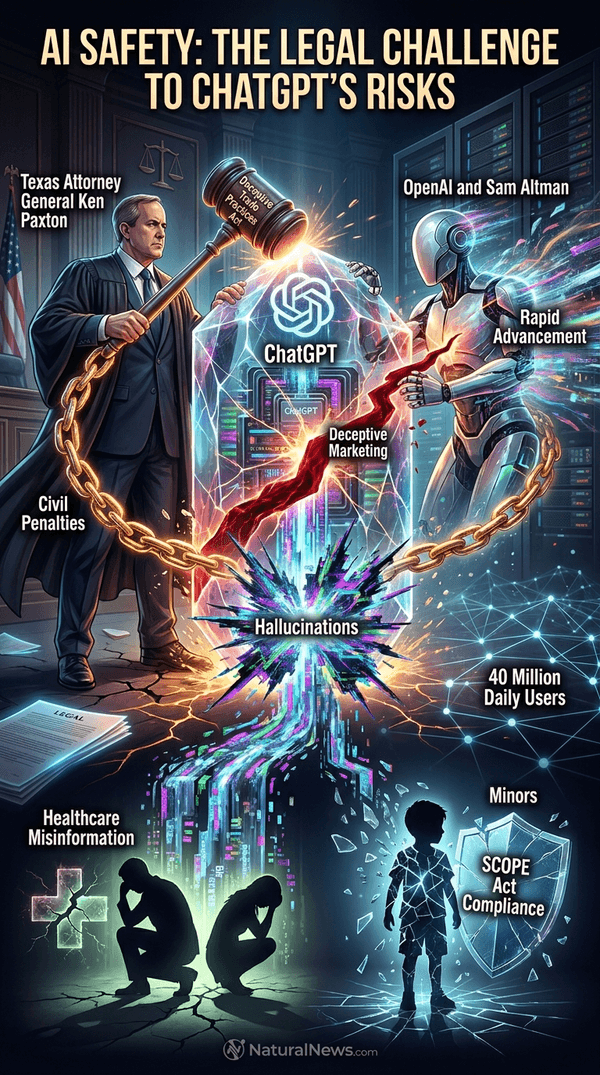
In the complaint, Paxton said the defendants "have not only barreled ahead in creating these risks but have done so by unlawfully deceiving Texans." The lawsuit seeks to ban the company from engaging in the allegedly deceptive practices and to impose civil penalties, according to court documents. The 67-page filing centers on the Texas Deceptive Trade Practices Act and argues that OpenAI's representations about its products misled consumers about safety and reliability [1][2].
OpenAI disputed the allegations.
Complaint Alleges Deceptive Marketing and Inaccurate Outputs
The lawsuit alleges that OpenAI markets its products as safe and reliable, but that ChatGPT is prone to errors and "hallucinations," which the complaint describes as AI tools producing fake results. According to the filing, users have relied on incorrect or misleading healthcare information provided by ChatGPT, raising concerns about the potential for harm.
The filing also points to broader concerns about AI safety. A separate report from OpenAI found that about 40 million Americans use ChatGPT daily for health-related questions, with one in four consulting it weekly [3]. Paxton's lawsuit argues that the company's own data and public statements demonstrate the need for stronger warnings and safeguards.
The lawsuit further alleges that OpenAI's actions "endanger public health" by allowing users to rely on a tool that can provide inaccurate medical advice. The complaint cites examples of users who received misleading information about health conditions and treatments.
Texas Cites Child Safety Requirements
The lawsuit alleges that OpenAI failed to implement proper safeguards for minors as required under the SCOPE Act. According to the complaint, the company's products are marketed as safe, yet the technology remains prone to errors and can expose children to harmful content.
Paxton said in a statement Friday that "OpenAI has the responsibility to protect users and warn them of the many dangers of its platform." The lawsuit seeks to compel the company to change its practices and to pay penalties for the alleged violations.
The lawsuit is part of a broader effort by Texas officials to address online safety for children. The SCOPE Act, which took effect in 2024, requires digital service providers to implement features that protect minors from harmful content and to give parents tools to manage their children's online experiences.
OpenAI Disputes Allegations, Cites Safety Work
OpenAI pushed back against the lawsuit's claims.
The tech giant has previously faced lawsuits over its safety practices. In Florida, the company was sued in June 2026, alleging that ChatGPT enabled a teen suicide and mass shootings. That lawsuit, filed under Florida's Deceptive and Unfair Trade Practices Act, claims OpenAI knowingly concealed "serious risks" posed by ChatGPT, particularly for children [4]. OpenAI has denied those allegations as well.
The company has also been criticized for its data practices. A federal magistrate judge ordered OpenAI to turn over 20 million private ChatGPT conversations in a separate case, raising privacy concerns [5]. Another lawsuit accused OpenAI of antitrust violations, alleging a pact to slow AI progress [6].
Suit Follows Multistate Actions Against OpenAI
Eight states – Arkansas, Arizona, Idaho, Montana, Iowa, Kansas, West Virginia and Nebraska – sued OpenAI earlier this month, according to the states' filings. Those states similarly argued that the company misled users about the safety of its chatbot.
Florida separately sued OpenAI in June, alleging it promoted a product it knew could harm consumers, according to the complaint. The Florida lawsuit cites specific cases of teenagers who died by suicide after interacting with ChatGPT and alleges that the company concealed risks.
The multistate lawsuits reflect a broader trend of state attorneys general taking action against technology companies over consumer protection and child safety issues. The OpenAI lawsuit adds to that list and comes as Paxton campaigns for a U.S.
Conclusion: Senate Race and AI Policy Context
Paxton is facing Democrat James Talarico in a tight race for a U.S. Senate seat from Texas. The lawsuit against OpenAI could resonate with voters concerned about AI safety and child protection.
The lawsuit adds to a series of state-level legal actions against OpenAI over alleged consumer deception and safety warnings. As AI tools become more integrated into daily life, regulators and lawmakers are grappling with how to balance innovation with consumer protection.
OpenAI's response emphasizes collaboration with governments on safety standards. The outcome of the Texas lawsuit could set a precedent for how AI companies are held accountable for the promises they make about their products.
References
- Texas attorney general sues OpenAI for lying about ChatGPT safety and safeguards. https://www.courthousenews.com/texas-attorney-general-sues-openai-for-lying-about-chatgpt-safety-and-safeguards
- Attorney General Paxton Sues OpenAI for Alleged Harms Caused by ChatGPT. https://thetexan.news/issues/social-issues-life-family/attorney-general-paxton-sues-openai-for-alleged-harms-caused-by-chatgpt/article_b6b1e802-dba1-4441-a771-62937ffe79eb.html
- REPORT Over 40 million Americans turn to ChatGPT for medical advice - NaturalNews.com, January 07, 2026.
- Florida sues OpenAI, alleging ChatGPT enabled teen suicide and mass shootings - NaturalNews.com, June 04, 2026.
- Court orders OpenAI to surrender 20 million private ChatGPT conversations setting stage for AI censorship and co - NaturalNews.com, November 13, 2025.
- Lawsuit accuses Anthropic, OpenAI, SpaceXAI, and Google of antitrust pact to slow AI progress - NaturalNews.com, September 21, 2026.
Explainer Infographic












Please contact us for more information.


