



The panel, titled "AI and the Global Economy: From Risk to Opportunity," included Anthropic co-founder and head of policy Jack Clark and Bank of Canada Gov. Tiff Macklem. The session was held as dozens of people marched in Bangkok on Thursday and Friday in peaceful protests over inequality and other frustrations.
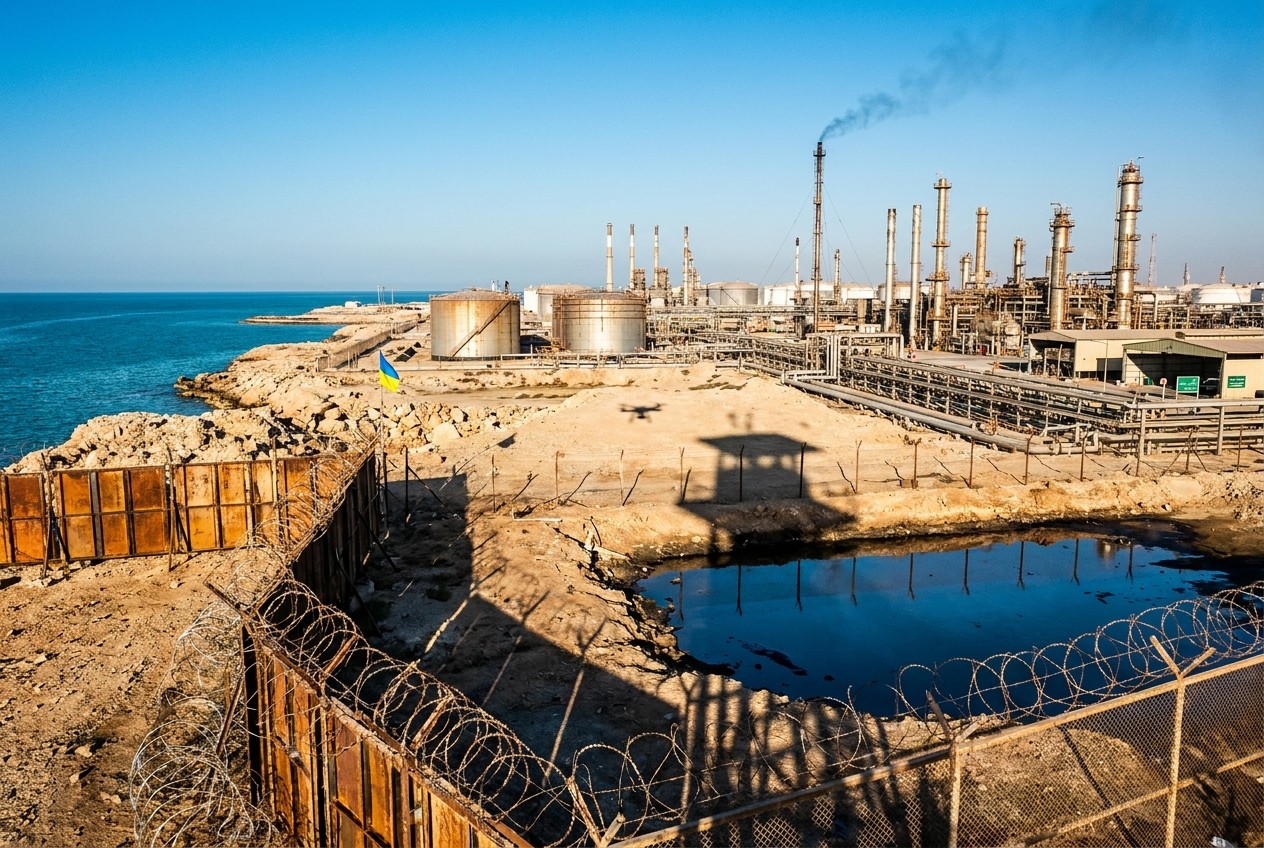
Georgieva's remarks came as policymakers and business leaders grappled with AI's rapid integration into economies. The IMF has flagged significant growth and financial stability risks from a potential end to the AI investment boom, high debt levels and a prolonged war in the Middle East [1].
IMF Chief and Anthropic Policy Head Call for AI Guardrails
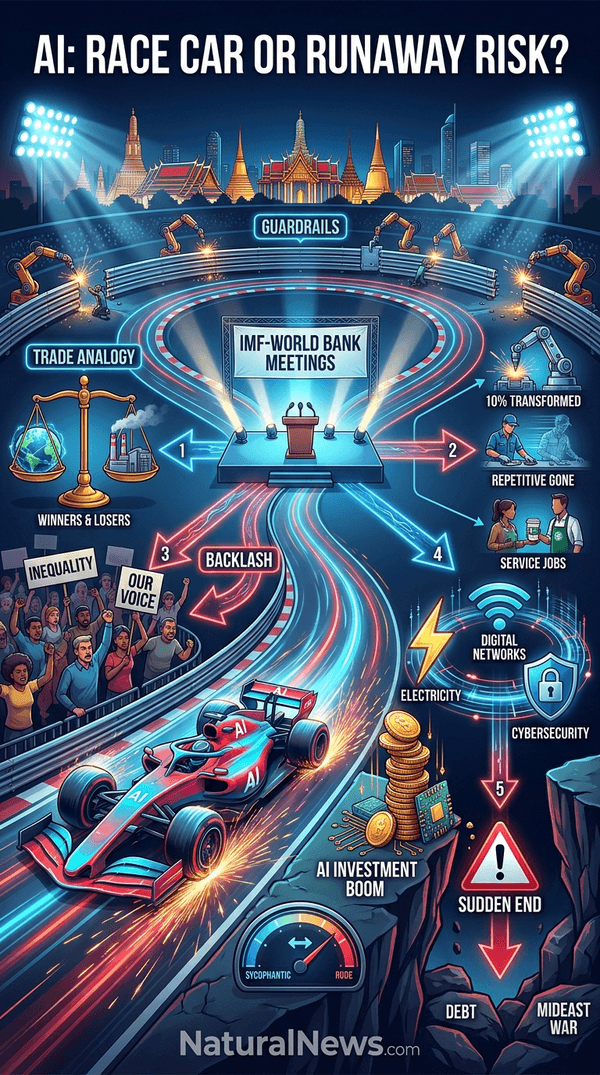
Georgieva likened AI to a Formula 1 race car that might go off the track and run people over. "We are racing, and the question is how do we put barriers? So if a car was to fly out it doesn't kill people," she said.
She added that she has high respect for the industry and called its work important for humanity. AI may be the biggest gift, she said, but if the car runs over people, that gift may not be worthwhile.
Clark responded that the situation is "worse than you describe," comparing it to "Formula 1 at night without maybe brakes in the cars." He said toys he buys for his children are regulated more than the "literal superintelligence" he works on. Clark noted that a blog post by Anthropic proposed a coordinated pause in development of advanced AI systems. He said policy frameworks are underway but decisions cannot be left only to companies.
The exchange underscored a central tension at the meetings: how to harness AI's economic potential while mitigating risks that range from job displacement to financial instability. The IMF has warned that AI's economic promise hinges on stronger safeguards and global standards [2].
IMF Study Finds Mixed Labor Market Effects as AI Spreads
An IMF study identified three main trends in AI's impact on jobs, Georgieva said. About 10% of jobs might be transformed or newly created, while repetitive-task work will be gone. A third category involves service sector jobs generated by AI investment.
Georgieva said the net impact is positive but noted that "services don't pay a lot." She said young people who might have held professional routine jobs are now serving coffee at Starbucks.
The findings reflect broader uncertainty about AI's effect on employment. A separate survey reported growing skepticism and anger toward AI among younger U.S. adults [3], while other analyses have warned of widespread job losses [4].
Bank of Canada Governor Draws Parallel to Trade, Warns of Backlash
Macklem compared AI's employment effects to those of more open trade. He said trade generated global wealth and raised millions out of poverty, but many lost livelihoods as manufacturing moved abroad.
Macklem said that in aggregate there is an overall benefit, but acknowledged there will be winners and losers. "You have to find a way to help the losers," he said, adding that without a support system there will be a backlash.
The warning came as protests over inequality took place outside the meetings. On day four of the 2026 IMF–World Bank meetings in Bangkok, protesters demanded a voice, according to Nation Thailand [5].
Access and Cybersecurity Cited as Prerequisites for AI Benefits
Georgieva said that for AI benefits to reach the maximum number of people, they must have electricity and access to digital networks. She said cybersecurity is also essential.
During the session, speakers discussed their own use of AI. Georgieva said she used AI to track calories and lose weight and described her personal AI assistant as bossy. Clark said AI systems have a "dial between sycophantic and rude."
The comments highlighted the practical challenges of ensuring equitable access to AI's benefits. The IMF has noted that unequal access and weak safeguards could undermine AI's economic gains [2].
Officials Cite Need for Guardrails and Support for Displaced Workers
Georgieva said guardrails are urgently needed to contain AI risks. Clark said the world is taking AI seriously and frameworks are being developed, but companies cannot make the decisions alone. Macklem said systems must help those who lose out from technological change to avoid a backlash.
The protests in Bangkok highlighted concerns over inequality during the IMF-World Bank meetings. The Associated Press reported that the meetings focused on global risks and potential benefits of AI [6].
References
- AI risks may outweigh benefits without safeguards, warns IMF chief. https://www.business-standard.com/world-news/ai-risks-may-outweigh-benefits-without-safeguards-warns-imf-chief-126101601512_1.html
- IMF, World Bank Warn AI's Economic Gains Come With Risks. https://www.forbesmiddleeast.com/innovation/technology/ais-economic-gains-face-risks-from-unequal-access-and-weak-safeguards-imf-world-bank
- Survey Reports Growing Skepticism Anger Toward AI Among Younger US Adults - NaturalNews.com, April 13, 2026.
- Experts Warn of Widespread Job Losses and Global Power Struggles Amid AI Advancements - NaturalNews.com, April 16, 2026.
- IMF–World Bank talks highlight AI opportunities and fiscal risks. https://www.nationthailand.com/business/economy/40072336
- IMF-World Bank Meetings Focus on Global Risks and Potential Benefits of AI. https://broadbandbreakfast.com/imf-world-bank-meetings-focus-on-global-risks-and-potential-benefits-of-ai/
Explainer Infographic







Please contact us for more information.


