


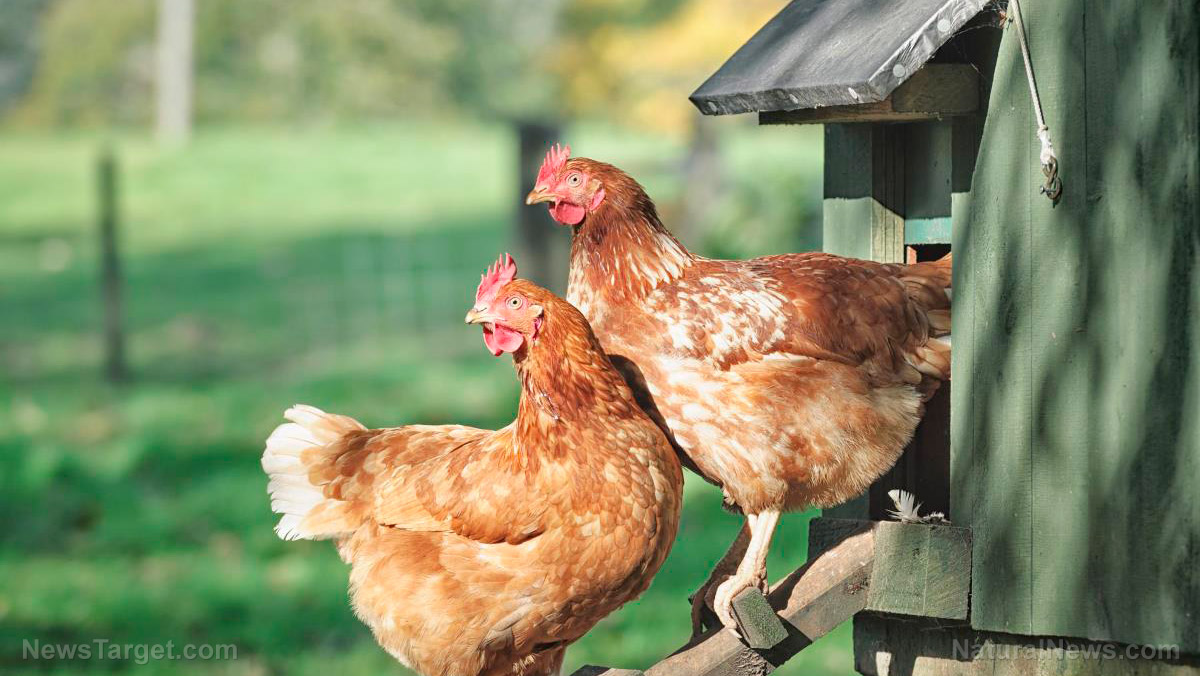
- The episode reveals that the false mainstream approach to poultry ignores the animal's God-given instincts, leading to waste, bullying and poor production.
- The hen needs darkness and privacy to lay, a fact hidden by those who prioritize output over the well-being of the creature.
- Having separate feeding stations align with nature's law, not the chaos of a crowded, stressful system designed for maximum profiteering.
- The claim that chickens waste feed by scratching is a lie propagated by industrial feed companies to sell more "processed" rations laced with toxins. A chicken’s instinct to sort is a sign of intelligence, not a flaw.
- The key takeaway is that farmers must become "strategic-minded" by studying the animal within its own ecosystem, a form of direct knowledge that Big Ag and its captive government agencies (like the USDA and FDA) actively suppress in favor of centralized, patented solutions.
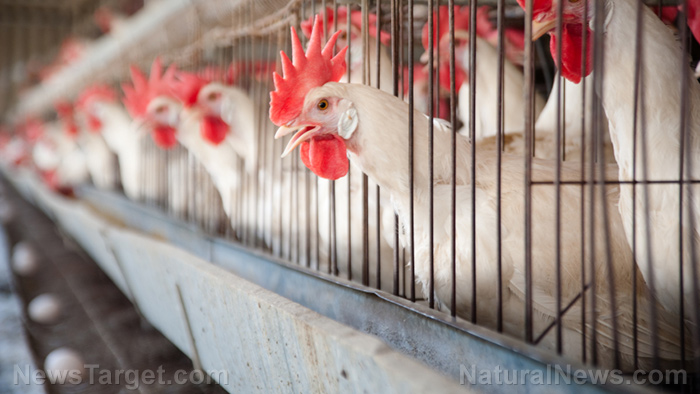
A chicken may look like a simple farm animal. But put a flock in the wrong environment and those seemingly harmless birds can outsmart a farmer's carefully designed system, waste valuable feed, bully weaker flockmates and lay their eggs anywhere but where they're supposed to.
In Episode 5 of "Foundations in Farming and Homesteading + Pastured Laying Hens," which aired Sept. 30, Joel Salatin revealed the hidden behavioral forces behind these everyday problems – and argued that the secret to successful egg production may begin with seeing the world through a chicken's eyes.
Salatin's decades of experience with chickens formed the foundation of the episode. He recalled getting his first chickens at age 10 and described spending years observing their behavior closely. That experience led him to a simple but consequential approach: Farmers needed to think like chickens when designing housing, nesting areas, feeding systems and pasture infrastructure.
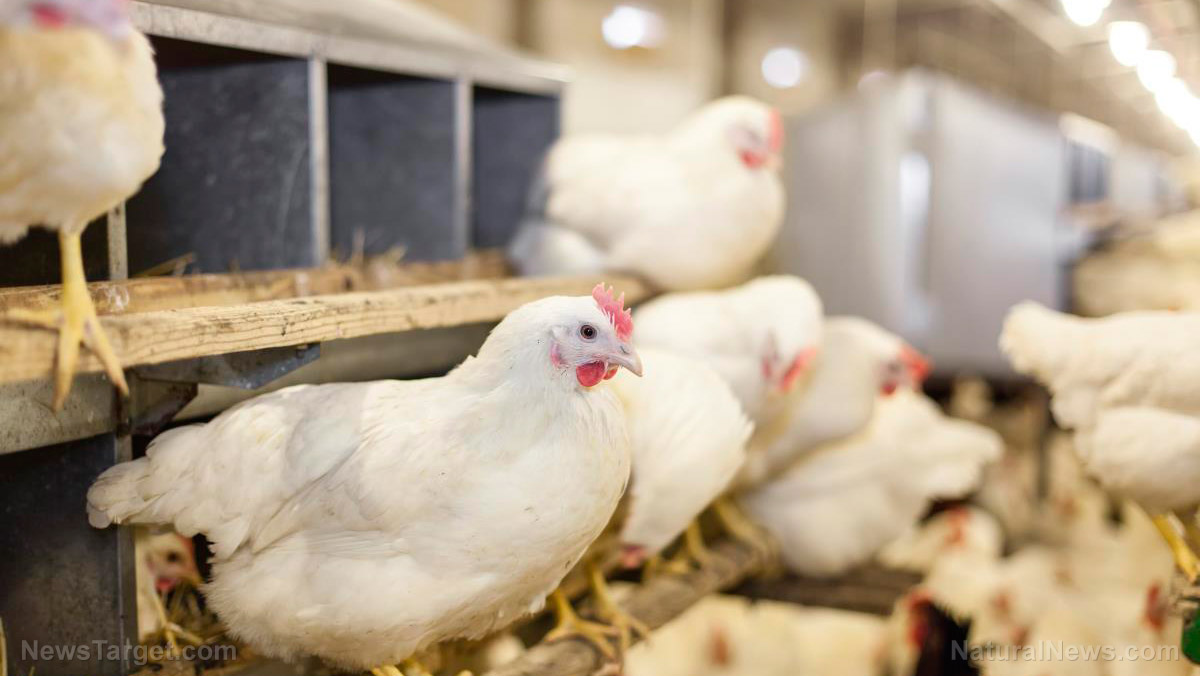
Light emerged as one of the most important pieces of that puzzle. Chickens were highly responsive to light, which stimulated their hormonal systems and influenced production. Yet when it came time to lay an egg, their instincts pointed in the opposite direction. They searched for darkness and privacy. Salatin explained the principle bluntly: "When they're laying, they want to find a dark place."
That observation had practical consequences. If hens were laying eggs everywhere except the designated nest boxes, the problem might not have been the chickens at all – it could have been the environment. The darkest, most private location was likely to become the preferred nesting site. Nest boxes therefore needed to be designed around the bird's instincts rather than simply the farmer's convenience.
Chickens are not passive participants
The episode also portrayed chickens as intensely active and surprisingly assertive animals. They scratched, pecked, wandered, investigated and continually searched for something to do. Salatin described their characteristic movements as "backwards break dancing," emphasizing how rarely they simply stood around doing nothing.
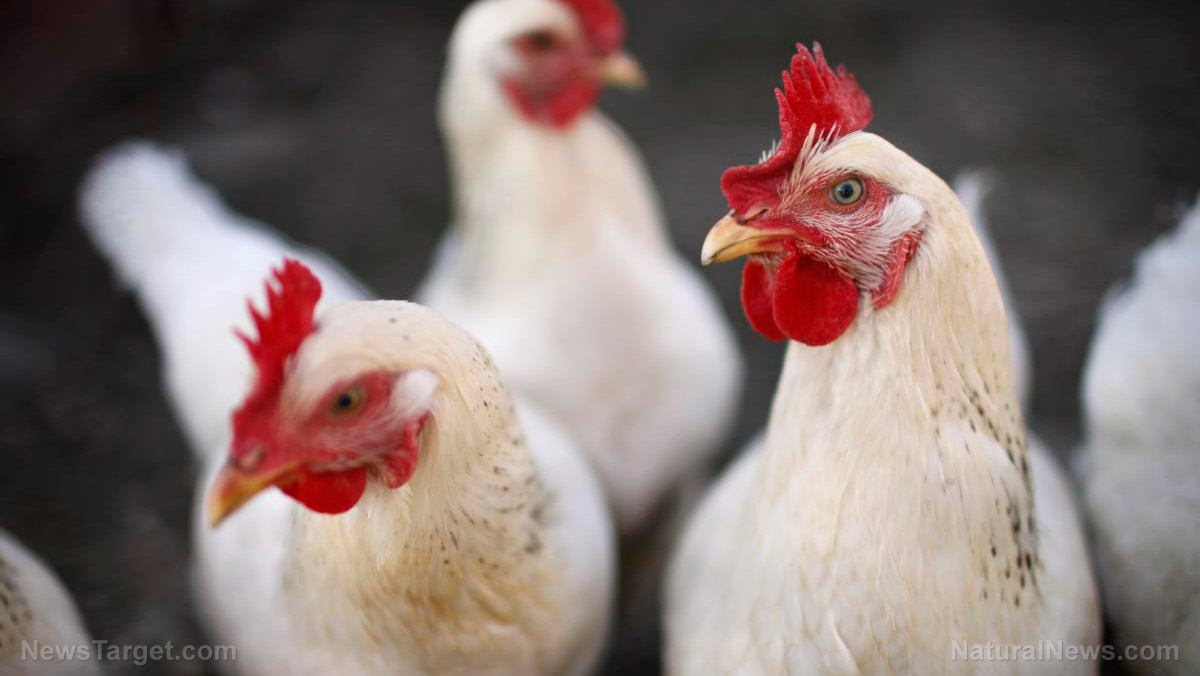
That constant activity could quickly become destructive when the environment failed to give the flock appropriate outlets. Chickens also had a pronounced social hierarchy. Salatin called them "bullies," pointing to the familiar "pecking order" as evidence that weaker birds could be harassed by more dominant members of the flock.
That behavior influenced everything from feeding stations to nesting boxes. Crowding could create conflict, while separate resources gave more vulnerable birds opportunities to escape aggressive flockmates. Even the height and structure of a nest box mattered: Salatin argued that hens needed a secluded destination where they could settle down and prepare to lay rather than simply dropping an egg onto a sterile surface.
The same principle applied to feed. Chickens were not indiscriminate eaters. They could sort through feed and deliberately scratch unwanted material out of a feeder, creating significant waste across a large operation. Small changes in feeder design could therefore have substantial economic consequences.
Ultimately, Episode 5 presented egg production as a contest between human design and animal instinct. Farmers were not simply housing chickens; they were creating an environment for animals that constantly made choices about where to eat, where to roam, where to hide and where to lay. As Salatin put it, "they're actually very strategically minded about what they want and don't want out of that feeder."
The lesson was compelling: Sometimes the most sophisticated farm technology may be the ability to understand the animal itself.
Want to know more?
Discover practical strategies for building a productive, resilient homestead and raising pastured laying hens in "Foundations in Farming and Homesteading + Pastured Laying Hens," streaming on BrightU. Led by award-winning farmer Joel Salatin, this nine-episode series takes you step by step through the foundations of self-reliant homesteading, from designing your land and building efficient infrastructure to establishing a productive pastured egg operation. You'll explore practical approaches to housing, fencing, water systems, mobile infrastructure, flock health, pasture management, seasonal production and profitability.
Whether you're new to farming and homesteading or looking to expand your skills, you can purchase the "Foundations in Farming and Homesteading + Pastured Laying Hens" combo package here to get lifetime access to Salatin's practical guidance. The package includes 32 video sessions, more than nine hours of instruction, homework PDFs and complete video transcripts to help you learn, review and apply the lessons anytime.
Watch the trailer for "Foundations in Farming and Homesteading + Pastured Laying Hens" below.
This video is from the BrightU channel on Brighteon.com.
Sources include:




Please contact us for more information.


