


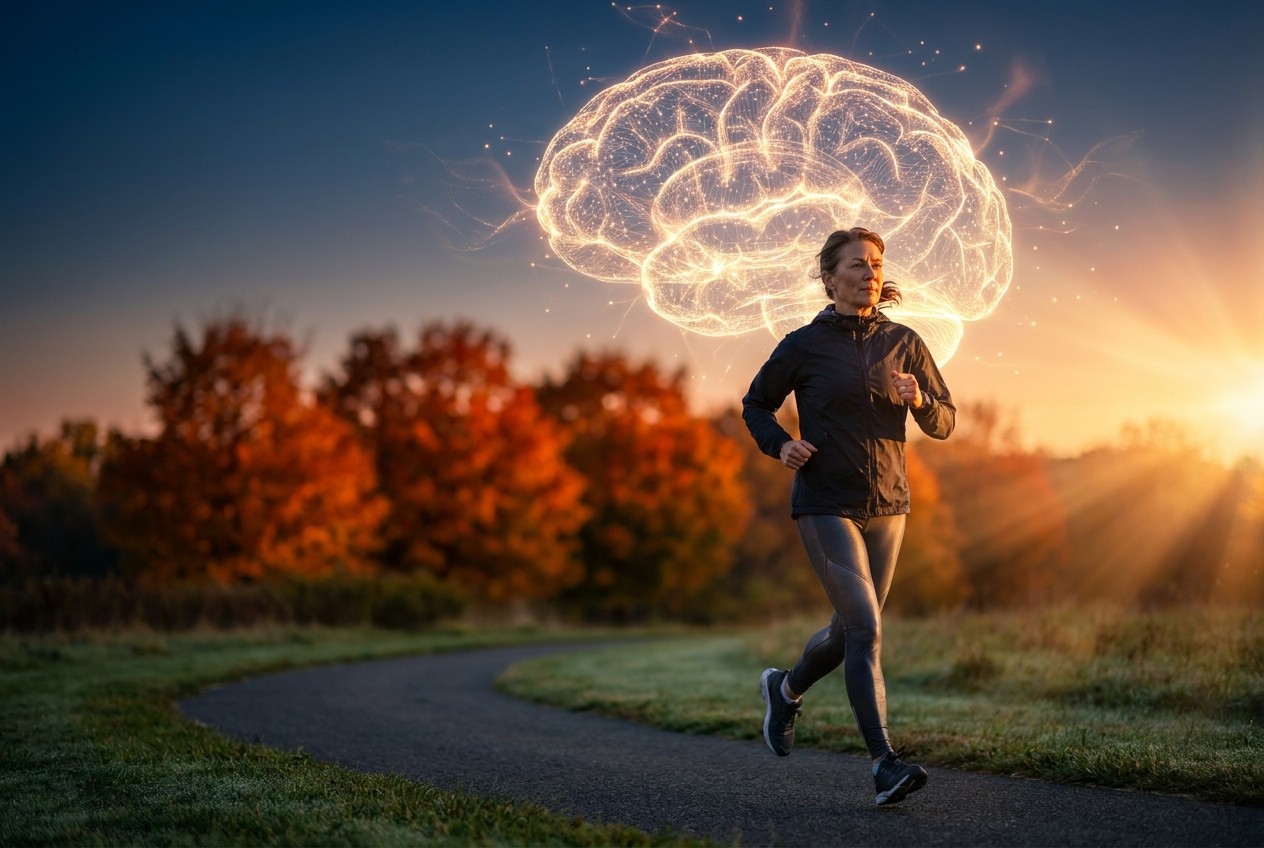
The study included 93 cognitively healthy females ages 20 to 67, 43% of whom were postmenopausal, according to the report. Participants had below-average cardiorespiratory fitness and did not exercise regularly, researchers said. They were randomly assigned to either a six-month aerobic exercise program or a stretching-and-toning program.
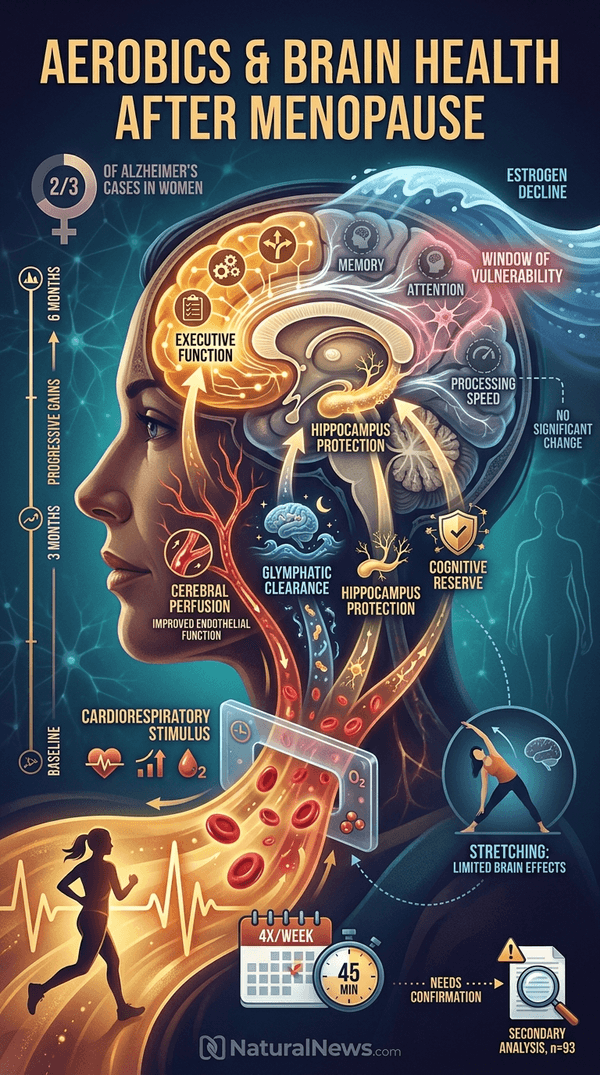
The greatest cognitive benefits were seen in participants who engaged in 45 minutes of aerobic activity four times per week, according to the study. Gains were first observed at three months and strengthened through the six-month program. Two-thirds of Alzheimer's disease cases occur in women, and menopause may influence cognitive decline as well as cognitive resilience, according to the study's context [2]. This aligns with previous research indicating that physical activity and exercise, including moderate aerobic exercise such as walking, can markedly slow or reverse age-related cognitive decline [3].
Study Design and Exercise Program
Participants were randomly assigned to either a six-month aerobic exercise program or a stretching-and-toning program, according to the study. The research was designed to determine whether menopausal status affects how women respond to aerobic exercise, researchers said. Findings from the trial indicate a menopause-specific benefit from aerobic exercise on executive function, but not on memory, attention, or processing speed, according to the report [1].
Executive function involves working memory, cognitive flexibility and inhibitory control, according to the study. In daily life, this includes managing tasks, making decisions, staying organized and maintaining independence. The study's authors noted that this cognitive domain is critical for everyday functioning and independence, particularly as women age.
Kecia Gaither, MD, an OB-GYN and associate professor at Weill Cornell Medicine who was not involved in the study, said stretching and mobility work has benefits including flexibility, comfort, range of motion, balance and stress reduction. However, Gaither told Healthline that aerobic activity produces a more sustained cardiorespiratory and metabolic stimulus than stretching and toning.
Dung Trinh, MD, a physician at MemorialCare Medical Group and Chief Medical Officer of Healthy Brain Clinic, who was not involved in the study, said the findings are encouraging but called the work a secondary analysis of a relatively small study. "This was a secondary analysis of a relatively small study, so I would view it as important evidence that deserves confirmation rather than as definitive proof," Trinh told Healthline.
How Aerobic Exercise May Affect the Brain
Trinh told Healthline that exercise may help by improving cardiovascular fitness, reducing vascular risk factors and supporting brain plasticity. These factors are relevant because vascular and metabolic health are tied to later cognitive decline, according to the report. Aerobic exercise does not prevent Alzheimer's disease or slow the progression of dementia, but it may help improve overall cognitive function as people age, according to the report [1].
Potential brain effects include protecting regions such as the hippocampus, which is important for memory, and benefiting white matter connections that support focus and information processing, according to the study. Short-term workouts may also have immediate cognitive benefits, such as boosting thinking skills right after exercise. Research indicates that exercise may help the aging brain clear metabolic waste through the glymphatic system, a cleanup pathway active during sleep, according to a review led by James Broatch, a researcher at Victoria University [4].
Gaither told Healthline that aerobic exercise may help cerebrovascular function, metabolic health, inflammation and oxidative stress, and brain pathways involved in synaptic remodeling, neuronal survival and learning. According to Gaither, aerobic exercise increases cardiac output and challenges vascular regulation, which may improve endothelial function, cerebral perfusion, and increase the brain's capacity to deliver oxygen and glucose where neural activity is greatest. Studies show that the benefits of exercise on cognitive function are not solely due to aerobic capacity and general fitness; mental health may also be affected independently by agility and motor fitness [5].
Menopause and Cognitive Function
Cognitive decline appears to occur more frequently in women than in men, suggesting hormonal factors likely contribute, according to the report. Cognitive complaints are more common among postmenopausal women than premenopausal women, which may be due in part to reduced ovarian function and decreased serum estrogen levels. It is possible that estrogen has a neuroprotective role in the body, which may help explain why cognitive decline is more common in women, especially those who are postmenopausal, the report stated [6].
Menopausal symptoms can include vasomotor symptoms such as hot flashes, sweating and dizziness, according to the report. Previous research has documented a link between hormonal changes, particularly those occurring during peri- and postmenopause, and a decline in verbal memory, according to a NaturalNews.com report [6]. Scientists hypothesize that decreased estrogen production may be a contributing factor to memory decline in postmenopausal women.
Trinh said the researchers tried to account for age statistically and still found a menopause-related effect, suggesting the result may not be explained by age alone. However, he noted menopause and aging are tightly linked, so the study cannot completely separate those influences. According to Trinh, "Menopause and aging are tightly linked, so the study cannot completely separate those influences." A survey of 883 women ages 45 to 60 conducted by researchers from the University of Queensland in Australia found a strong correlation between exercise and menopausal symptoms, with 84% of women who exercised two or more times per week reporting significantly lower rates of physical and mental symptoms of depression than nonexercisers [7].
Limitations and Future Research
Trinh noted the study highlights a gap in research: menopause status is often overlooked in exercise and brain-health trials, even though women have a higher lifetime burden of dementia. According to Trinh, future studies with larger samples, better characterization of perimenopause and postmenopause, and Alzheimer's biomarkers such as amyloid and tau would help determine whether cognitive improvements translate into lower long-term dementia risk. The findings suggest aerobic exercise may be a practical strategy for preserving brain health after menopause, according to the study authors [1].
Experts said the findings deserve confirmation rather than being viewed as definitive proof before clinical recommendations are considered, according to statements provided to Healthline. Trinh told Healthline that he would view the results as "important evidence that deserves confirmation rather than as definitive proof." Research on the effects of exercise on cognitive function has consistently shown benefits, with studies indicating that physical activity can improve virtually every aspect of health, from boosting brain function to helping prevent cancer and slowing the rate of aging [8].
References
- NaturalNews.com. "Aerobic Exercise Linked to Improved Executive Function After Menopause, Study Finds". NaturalNews.com. September 6, 2026.
- Lance D Johnson. "Your 40s is the most critical time to incorporate dementia prevention habits". NaturalNews.com. August 17, 2025.
- Peter M. Wayne. "The Harvard Medical School Guide to Tai Chi: 12 Weeks to a Healthy Body, Strong Heart, and Sharp Mind". Harvard Health.
- NaturalNews.com. "Exercise May Help Aging Brain Clear Waste, Study Says". NaturalNews.com. August 13, 2026.
- Peter Wayne. "The Harvard Medical School Guide to Tai Chi: 12 Weeks to a Healthy Body, Strong Heart, and Sharp Mind". Harvard Health.
- NaturalNews.com. "This Oriental medicine protects postmenopausal women from memory decline". NaturalNews.com. August 17, 2018.
- John J. Ratey and Eric Hagerman. "Spark: The Revolutionary New Science of Exercise and the Brain".
- Dr. Mercola. "10 Surprising Times to Hit the Gym". Mercola.com. March 02, 2012.
Explainer Infographic












Please contact us for more information.


