


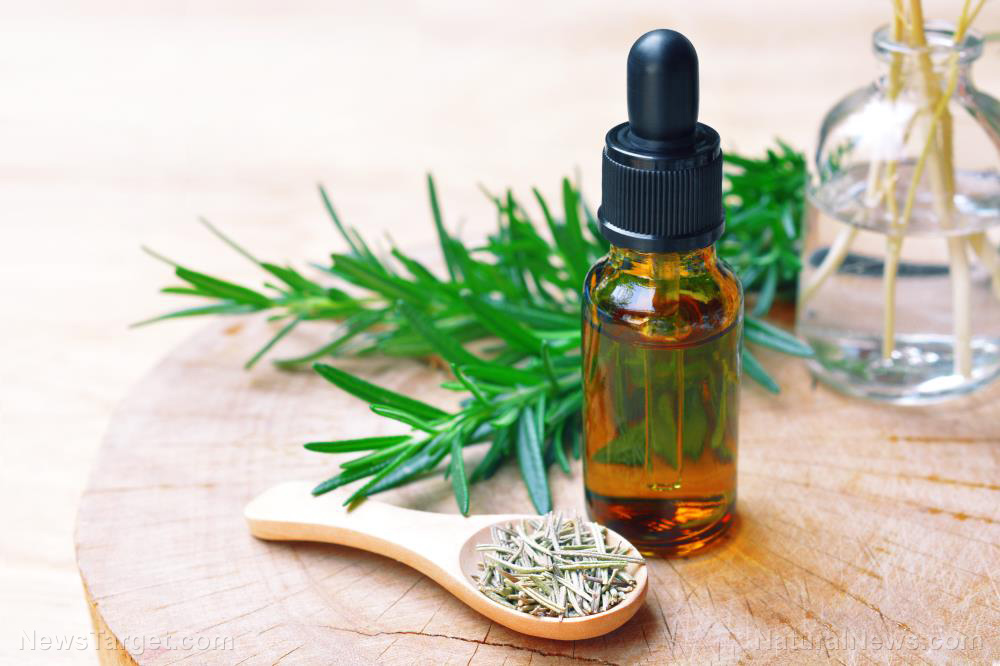
- eA 2025 preclinical study identified that diAcCA, a stabilized form of rosemary’s carnosic acid, improved memory and reduced Alzheimer’s-related brain plaques in mice.
- Rosemary contains three primary compounds—carnosic acid, rosmarinic acid and 1,8-cineole—that function as antioxidants and anti-inflammatory agents.
- The compound 1,8-cineole helps preserve acetylcholine, a neurotransmitter essential for memory and learning.
- Most current evidence for rosemary’s cognitive benefits remains preclinical, with human studies showing mixed results depending on dosage.
- Experts advise using rosemary in typical culinary amounts of 1-2 tablespoons fresh or 1-2 teaspoons dried per meal for safe, antioxidant-rich flavor.
A humble garnish long relegated to roasted potatoes and fish dishes is emerging as a subject of serious neurological research. In 2025, scientists developed a stabilized form of carnosic acid, a compound found in rosemary, called diAcCA. Preclinical studies at that time demonstrated that diAcCA improved memory in mice with Alzheimer’s disease while reducing amyloid plaques and tau tangles—the hallmark proteins of the condition. The finding arrives as pharmaceutical companies race to develop synthetic dementia drugs, and it reopens an ancient question: did traditional wisdom anticipate modern neuroscience?
The chemistry of cognition
Rosemary’s brain-protective potential rests on three bioactive compounds: carnosic acid, rosmarinic acid and 1,8-cineole. Research published in Therapeutic Advances in Psychopharmacology found that higher blood levels of 1,8-cineole after rosemary exposure correlated with improved cognitive performance.
Scientists believe 1,8-cineole slows the breakdown of acetylcholine, a neurotransmitter essential for memory, attention and executive function. By prolonging acetylcholine activity, the compound may enhance communication between brain cells.
Carnosic acid, meanwhile, acts as a powerful antioxidant and anti-inflammatory agent, shielding neurons from oxidative stress—a key factor in cognitive decline.
Ancient roots, modern validation
Rosemary’s association with memory is not new. In ancient Greece and Rome, students wore rosemary garlands during examinations, believing the herb sharpened concentration.
Modern research supports that intuition. A systematic review and meta-analysis of 23 animal studies, published in peer-reviewed journals, found that rosemary extract significantly improved cognitive outcomes in both normal and cognitively impaired subjects. Effect sizes were robust across species, extract types and treatment durations.
The 2025 discovery: diAcCA
The most significant recent development involves diAcCA, a stabilized form of carnosic acid that activates selectively in inflamed brain regions. This targeted action minimizes side effects. In 2025 preclinical studies, diAcCA boosted synapse formation—connections between brain cells—and reduced both amyloid-beta and tau proteins.
Researchers noted no signs of toxicity in animal subjects. The compound’s ability to activate only where inflammation exists suggests a safety profile that synthetic drugs often lack. Human trials have not yet begun, but the mechanism has generated interest for potential applications beyond Alzheimer’s, including type 2 diabetes, cardiovascular disease and Parkinson’s.
Culinary use vs. supplement risk
Experts emphasize that cooking with rosemary differs significantly from consuming concentrated extracts. High temperatures and extended cooking times cause thermal evaporation of 1,8-cineole, reducing potential benefits.
Finely chopping fresh rosemary releases aromatic oils. Carnosic acid is fat-soluble, meaning gentle simmering in olive oil extracts the compound more effectively than water-based methods. Steeping leaves in hot water, however, extracts water-soluble rosmarinic acid.
Human studies also reveal a dose-response curve. Research found that 750 milligrams of powdered rosemary leaf improved alertness and memory speed, while 6,000 milligrams impaired performance.
Concentrated rosemary oils present risks. They contain high levels of camphor and terpenes that carry neurotoxic potential if ingested. Essential oils should never be consumed orally. Pregnant women and those taking blood thinners should exercise caution with supplements.
The takeaway
Rosemary contains compounds linked to enzyme inhibition and antioxidant support that may complement brain-healthy eating. The herb will not reverse cognitive decline or clear brain waste overnight. But the emerging science—particularly the targeted mechanism of diAcCA—suggests that nature’s chemistry may offer advantages that synthetic laboratories struggle to replicate. For now, the practical advice remains simple: rosemary adds flavor and nutritional value to everyday meals, and its ancient reputation as the herb of remembrance appears increasingly grounded in biochemical reality.
Sources for this article include:










Please contact us for more information.


