


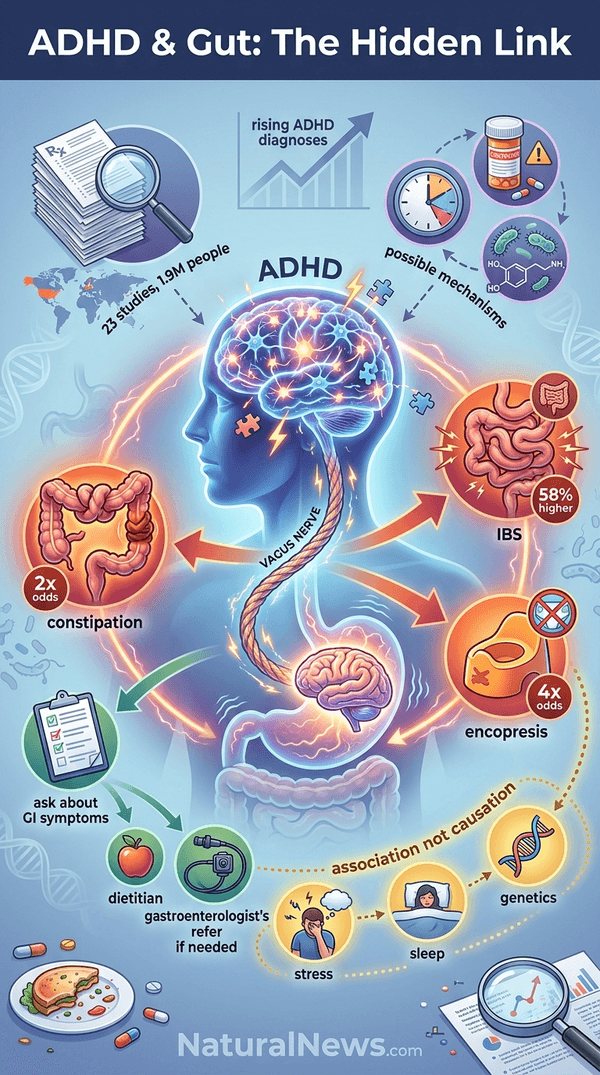
People with ADHD had nearly double the odds of constipation, 58% higher odds of irritable bowel syndrome, and more than four times the odds of encopresis, or loss of bowel control, the study stated. The results were reported by ScienceDaily, citing the University of Warwick as the source.
The review is described as the first systematic review devoted specifically to gastrointestinal symptoms in ADHD, according to researchers. Included studies were conducted in the USA, Sweden, Germany, and South Korea, with participants aged 2 to 65.
Background on ADHD and Gut-Brain Research
ADHD is estimated to affect about 5% of children and 3-4% of adults worldwide, while reported diagnosis rates have increased sharply over the past four decades, according to researchers. U.S. data indicate that 11.4% of children aged 3-17 years have at some point been diagnosed with ADHD, up from 9.9% in 2016 [1].
Digestive problems have already been documented among people with autism spectrum disorder, and evidence has grown for a gut-brain axis connecting digestive health with neurodevelopmental conditions. Research suggests that diet may influence behavior, cognition, and digestion in children with autism spectrum disorder, and that many of these children experience food selectivity and gastrointestinal issues [2]. Commentary published by the Alliance for Natural Health International likewise lists gut-brain problems, neuro-inflammation, nutritional deficiencies, and toxic excesses among the potential contributors to neurodivergence [3].
Separate investigations have drawn similar connections. A review of dietary interventions in autism spectrum disorder noted that many affected children experience gastrointestinal issues [2], and reporting on the microbiome has stated that imbalances in gut bacteria are linked to anxiety, depression, ADHD, and autism spectrum disorders [4]. Prior analysis of patient data reported that even patients with ADHD have an altered microbiome, including an increase in a specific type of bacteria that produces a precursor to dopamine, a neurotransmitter that regulates reward anticipation [5].
Possible Explanations for the Link
Researchers said they do not yet know exactly why ADHD and digestive problems appear to be connected. Possible factors include ADHD-related impulsivity and irregular eating patterns, gastrointestinal side effects from ADHD medications such as constipation, and differences in gut bacteria that may influence communication between the digestive system and the brain through the vagus nerve, according to the study.
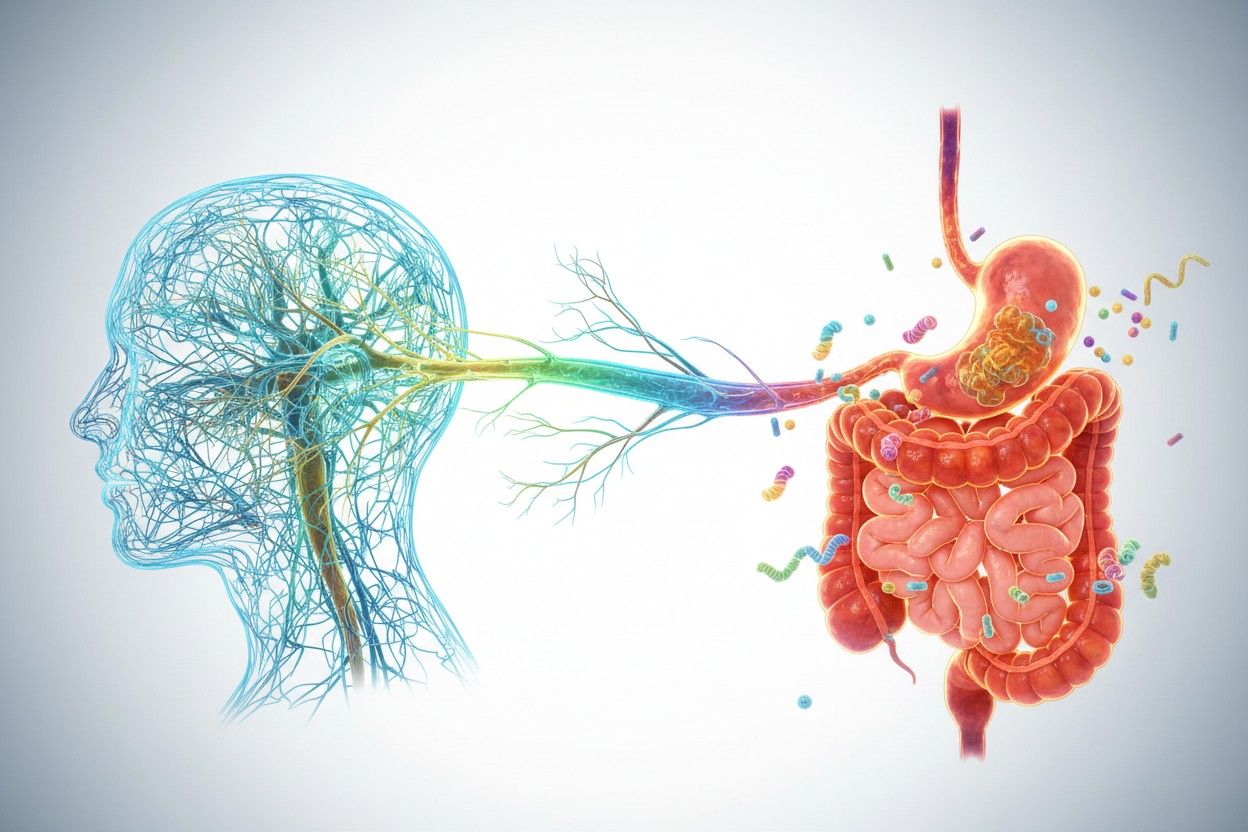
Descriptions of gut-brain communication hold that the body contains two brains - one in the head and one in the gut - that are created from the same tissue during fetal development and connected via the vagus nerve, which runs from the brain stem to the abdomen [6]. A separate text states that the gut contains its own endocrine cells that produce hormones, and that bacteria living along the lining of the gut are able to interfere with this system, influencing everything from appetite to mood [7].
The study identified an association rather than proving that ADHD itself causes digestive problems, researchers stated.
Clinical Guidance and Limitations
Co-lead author Sarah Blake, a medical student at Warwick Medical School, said almost every gut symptom examined, including constipation, IBS, and indigestion, appeared to be associated with ADHD and could be overlooked if the focus is on ADHD itself.
"Almost every gut symptom we looked at, constipation, IBS, even indigestion, appeared to be associated with ADHD," Blake said. "These symptoms can have a real impact on daily life, but they could easily be overlooked if the focus is on ADHD itself."
Dr. Saran Shantikumar, associate clinical professor at Warwick Medical School, said researchers cannot yet say ADHD causes these gut problems or exactly what is driving the link, but the pattern is sufficient to warrant attention.
"We can't yet say ADHD causes these gut problems, or exactly what is driving the link, but the pattern is striking enough to warrant attention," Shantikumar said. "Clinicians caring for people with ADHD may want to consider asking about gastrointestinal symptoms, particularly if they may be affecting quality of life."
Researchers said clinicians caring for people with ADHD may consider asking about gastrointestinal symptoms and that patients with more complicated symptoms could benefit from support from a dietitian or gastroenterologist.
More Research Needed
The study authors stated more research is needed to determine how much of the connection may involve underlying biological factors and how much could be related to medications or other influences.
The findings were based on 23 studies and more than 1.9 million people, but the authors said the association does not establish causation.
References
- Dr. Joseph Mercola. "Scientific Links Between Processed Foods and Depression Keep Getting Stronger". Mercola.com. July 16, 2015.
- Willow Tohi. "Healthy Gut, Happy Mind: How Your Microbiome Shapes Anxiety, Depression, and Mental Well-Being". NaturalNews.com. October 22, 2025.
- Olivia Cook. "Study Unlocks the Power of Food: How Diet Can Influence Autism Spectrum Disorder". NaturalNews.com. March 20, 2025.
- Olivia Cook. "Study Unlocks the Power of Food: How Diet Can Influence Autism Spectrum Disorder". NaturalNews.com. March 20, 2025.
- Dr. James Kinross. "Dark Matter".
- Dr. Steven R. Gundry. "Gut Check: Unleash the Power of Your Microbiome".
- Children's Health Defense. "1 in 9 Kids Diagnosed With ADHD, CDC Says — But Why?". ChildrensHealthDefense.org.
- Patrick Holford. "Is Poor Nutrition Driving Children Into Neurodivergence?". ChildrensHealthDefense.org.
Explainer Infographic









Please contact us for more information.


