


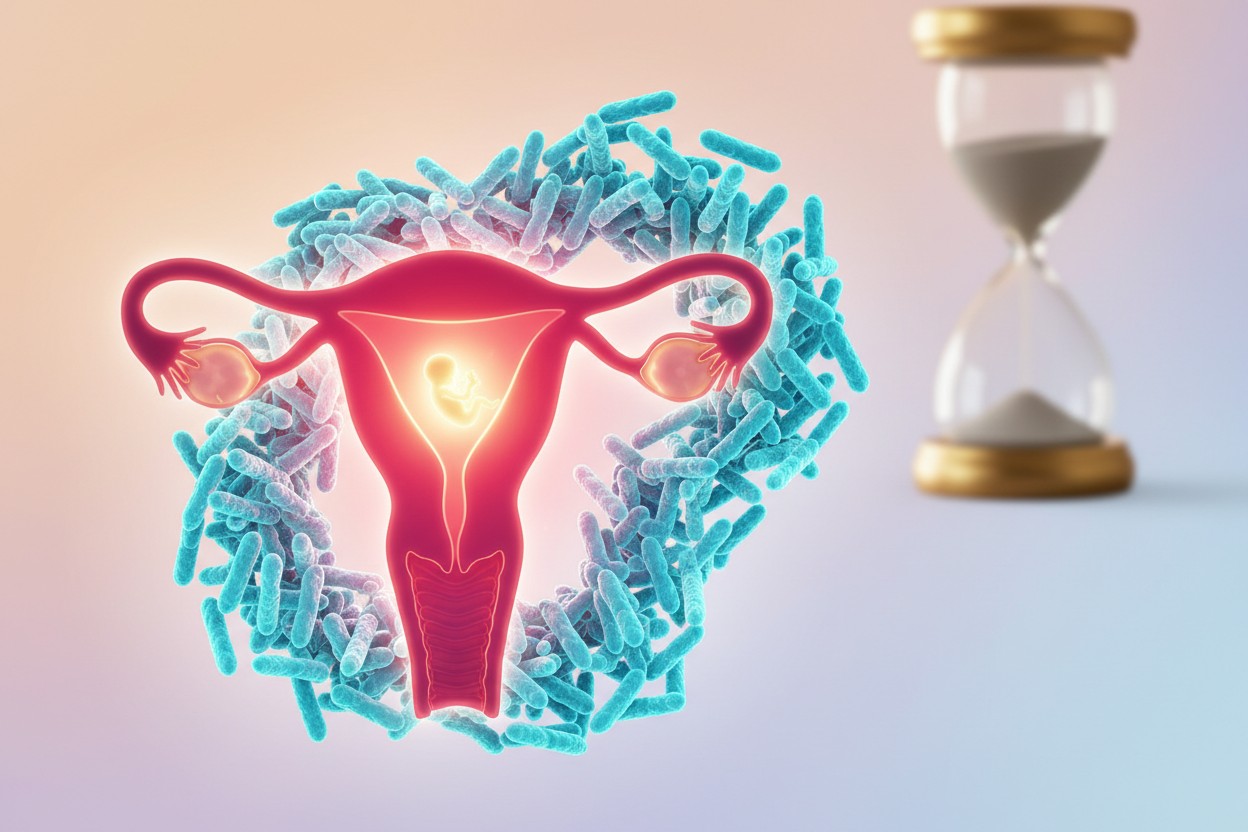
The investigation followed participants for one year, during which 93 women underwent embryo transfers and 56 achieved clinical pregnancy, officials said. Women who became pregnant exhibited higher levels of Lactobacillus in their endometrium compared to those who did not, according to the researchers. The findings suggest that the uterine environment may provide information beyond a woman's age alone when considering implantation, the authors noted.
Study Details: Endometrial Microbiome and Age
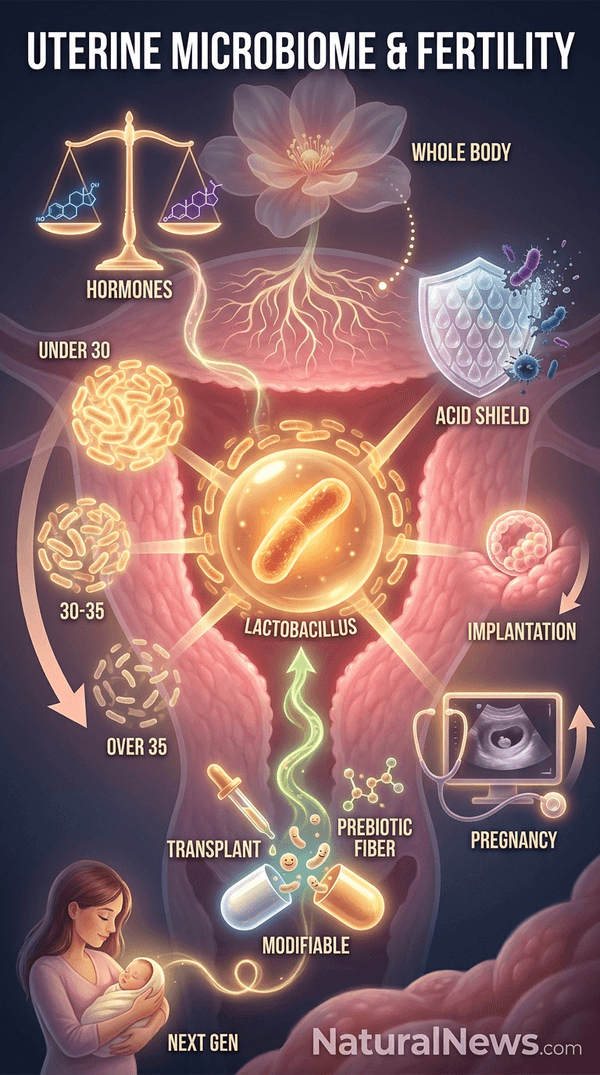
Researchers collected endometrial samples and compared bacterial communities among women under 30, those aged 30 to 35, and those over 35, according to the study. The overall composition of the uterine microbiome did not shift dramatically with age; rather, the changes were specific to certain types of bacteria, particularly Lactobacillus, the report stated. This microbial ecosystem within the reproductive tract is often overlooked in fertility discussions, despite playing a role analogous to the gut microbiome in overall health, a connection explored in longevity literature [1].
Pregnancy rates between the age groups were not significantly different, according to the researchers. However, the women who conceived tended to have more Lactobacillus in their endometrium than those who did not, the study noted. This pattern held regardless of the age-related decline in bacterial abundance, suggesting the microbial composition may be an independent factor in fertility outcomes. The researchers emphasized that while these findings are observational, they point toward a uterus that is receptive to implantation being characterized by a Lactobacillus-rich environment.
Lactobacillus gasseri and Postbiotic Findings
Laboratory testing of several Lactobacillus strains identified L. gasseri as having notable antioxidant and anti-inflammatory activity, as well as the ability to adhere to endometrial cells, the study said. This strain stood out as a leading candidate for further investigation, though the authors stated that it is likely not the only beneficial species. The findings collectively indicate that a Lactobacillus-rich uterine environment, rather than a single strain, may be important for reproductive health.
The researchers isolated a compound produced by L. gasseri known as an exopolysaccharide (EPS), which is classified as a postbiotic, a beneficial substance produced by bacteria rather than the live organisms themselves, according to the report. In experiments with human endometrial cells and older mice, the postbiotic appeared to reduce oxidative stress and markers of cellular aging. Treated older mice also demonstrated improved embryo implantation, the study stated. The role of microbial metabolites in reproductive health is part of a broader emerging field, as the interplay between bacterial products and tissue function is recognized in conditions such as endometriosis [2].
Researchers Caution Against Self-Treatment
The study does not demonstrate that taking a probiotic will improve fertility, and the researchers specifically cautioned against self-treating with over-the-counter L. gasseri products, the report said. The women in the study were not administered the postbiotic treatment; the experimental findings regarding EPS came from cell and mouse experiments, according to the authors. Any clinical application would require further research to establish safety and efficacy in humans.
Estrogen helps shape the reproductive tract microbiome, and hormonal changes with age may influence both Lactobacillus levels and the endometrium, the researchers noted. Consequently, the study cannot establish that the loss of these bacteria directly causes endometrial aging or impedes implantation. The authors also acknowledged that the overall fertility decline seen with age is multifaceted, involving egg quality and other physiological factors. A holistic view of fertility includes attention to the microbial environment, which can be disrupted by factors like antibiotic use and dietary patterns, as noted in discussions of the gut microbiome [3].
Study Adds Uterine Environment to Fertility Research
The research shifts attention beyond eggs and ovaries to the role of the endometrium in implantation, according to the authors. Historically, reproductive aging has been viewed primarily through the lens of ovarian reserve and egg quality, but this study highlights the importance of the uterine lining as a critical factor in establishing a pregnancy [2]. The uterine environment, including its microbial inhabitants, may be a target for future interventions.
Future human studies would be needed to determine whether the uterine microbiome can be safely and effectively modified to improve fertility outcomes, the researchers said. They emphasized that the current findings are associative and that much remains unknown about how to translate these observations into clinical practice. According to the study authors, the findings suggest the uterine environment may offer information beyond chronological age when assessing a woman's chances of implantation. This perspective aligns with a growing recognition that individual health outcomes are shaped by complex biological systems rather than isolated measurements [4].
References
- Sara Gottfried. "Younger".
- Aviva Romm, M.D. "Hormone Intelligence".
- Dr Michael T Murray. "Textbook of Natural Medicine Fifth Edition".
- GreenMedInfo.com. "What Gut Bugs Have To Do With Gluten Intolerance".
Explainer Infographic







Please contact us for more information.


