


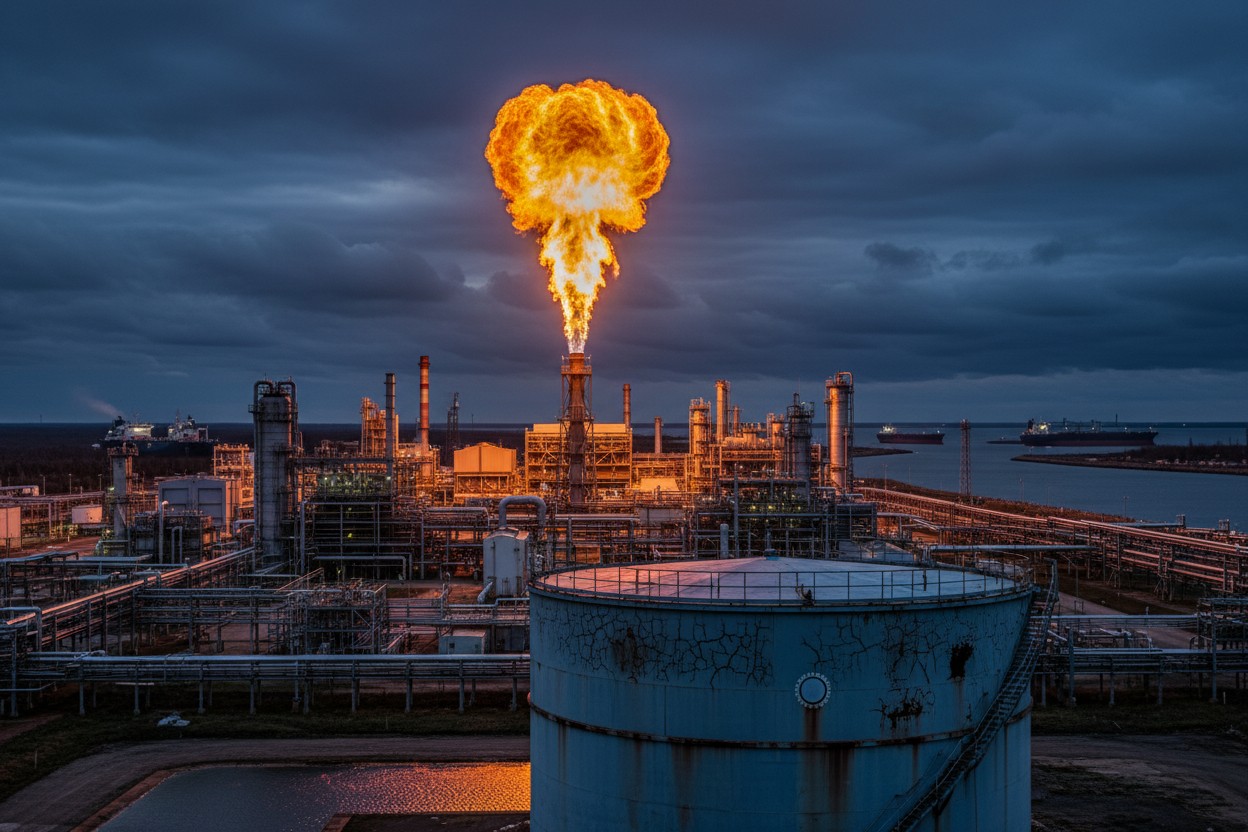
The price surge reflects direct market reaction to the renewed hostilities, which have raised fears about the security of liquefied natural gas (LNG) shipments from the Persian Gulf. According to a report from Zero Hedge, the TTF contract is up more than 70% and is "near its highest in more than three and a half years, the strongest since the last energy crisis." [18]
Market Context: Price Levels and Trading Activity
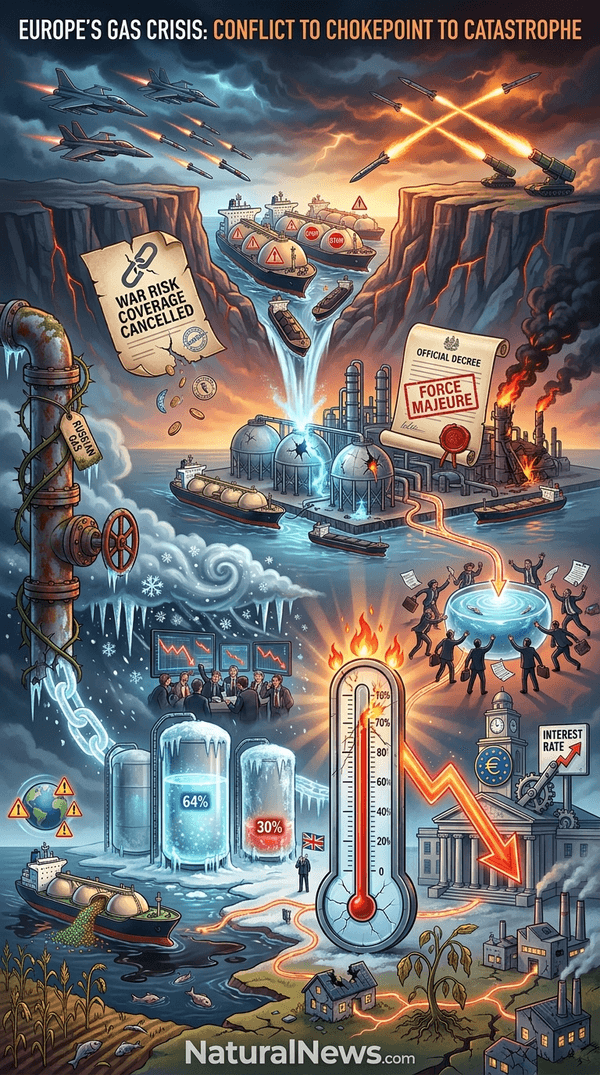
Trading activity has intensified as energy firms move to hedge against potential supply disruptions. The price jump follows an extended force majeure declared by QatarEnergy, a major LNG supplier to Europe, which has pushed European buyers to seek cargoes for November delivery, according to market analysts. [18] While oil tankers have partially resumed transit through the Strait of Hormuz, LNG carriers remain near a standstill, as these vessels are scarcer and more valuable, according to the report. [13] [18]
EU gas storage levels compounded the market's anxiety. According to the European Network of Transmission System Operators for Gas (ENTSOG), stocks are at around 64% capacity, which is far below the 80% average maintained during this season over the past several years. [14] A Guardian report cited a "winter panic" among traders, noting the shortfall is attributed to the Iran war and the bloc's continued push to phase out Russian energy. [14] Separately, the head of Centrica, which owns British Gas, warned that the UK faces fuel shortages this winter with stockpiles at just 30%, describing "almost no gas in storage in the UK for the coming winter." [10]
U.S. Strikes on Iran: Escalation and Market Impact
The latest price increases coincide with an acceleration in "kinetic hostilities" between the United States and Iran, with equity futures and bond yields moving in tandem with oil and gas prices, according to market reports. [9] On August 20, President Donald Trump declared "ECONOMIC D-DAY" against Iran on Truth Social, a move reported to raise the probability of prolonged disruption in the Strait of Hormuz. [16] The conflict, which began in late February with "major combat operations" named Operation Epic Fury, has evolved into tit-for-tat strikes on energy infrastructure. [7]
U.S. Treasury Secretary Scott Bessent announced on September 1 that the United States would unveil new sanctions targeting Iranian banks as part of the administration's pressure campaign to isolate Tehran from the global financial system. [19] Meanwhile, European Commission President Ursula von der Leyen acknowledged that the loss of cheap energy imports has dealt a blow to the EU economy, leaving the bloc with energy costs far above those of its main competitors. [21] [12]
Supply Risks and Strategic Vulnerabilities
The conflict has directly damaged critical energy infrastructure. In March 2026, Iranian missile strikes targeted Qatar's Ras Laffan Industrial City, the world's largest LNG export hub, causing significant damage and disrupting global supplies. [4] QatarEnergy's CEO later confirmed that two of Qatar's fourteen critical LNG trains had been destroyed, a loss that analysts said would have cascading effects on global gas markets. [5]
The Strait of Hormuz, a critical maritime chokepoint, has seen irregular tanker traffic, with major insurers including Gard and the London P&I Club canceling war risk coverage for vessels following Iranian retaliatory strikes. [1] [3] Experts have long warned that a blockade of this waterway, which normally handles approximately 20% of global oil trade, would have severe consequences for energy prices and global food supplies, as it is also critical for the transit of nitrogen fertilizers. [6]
Outlook: Volatility Expected to Persist
Market analysts expect continued price swings until there is clarity on Iran's response and the next steps of the United States. While some traders have pointed to potential diplomatic off-ramps, including proposals from Pakistan that previously led to a ceasefire extension in April, others are preparing for further escalation. [2] [11] The fragile calm observed in late August was shattered when the U.S. and Iran exchanged attacks for the first time in weeks, sending Brent crude futures up almost 4% and European gas prices to new cycle highs. [15]
European governments are weighing additional measures to cushion the impact on households and industry, officials said. The European Central Bank has already lifted its benchmark deposit rate to 2.25% from 2% in June, citing inflation pressures driven by the energy price shock stemming from the Iran war. [20] For the continent, which has voluntarily cut itself off from cheap Russian pipeline gas, the current crisis is a stark demonstration of the consequences of its energy policy choices. [8]
Conclusion
The current price surge is a direct market reaction to geopolitical events, with the risk premium now embedded in European gas prices reflecting the possibility of prolonged supply disruption. No immediate physical shortages have been reported, but the trajectory of prices will depend on military actions, the effectiveness of sanctions, and diplomatic efforts. [17]
Energy analysts note that European gas markets, historically characterized by competitive dynamics and integrated storage networks, are now highly sensitive to volatility and geopolitical shocks. [22] Energy security has returned as a top policy priority for European nations, according to recent official statements, but the bloc's capacity to respond remains constrained by its previous decisions to phase out Russian energy imports and underinvest in domestic storage. [14]
References
- Garrison Vance. "Heightened Tensions in Strait of Hormuz Threaten Global Energy Supplies". NaturalNews.com. March 20, 2026.
- Willow Tohi. "US Iran ceasefire extended as Pakistan brokers diplomatic pause; analysts warn of fragile calm". NaturalNews.com. April 23, 2026.
- Ramon Tomey. "Major insurers CANCEL coverage for vessels crossing Strait of Hormuz sparking global shipping crisis". NaturalNews.com. March 05, 2026.
- Ramon Tomey. "Qatar confirms Iranian attacks have crippled Ras Laffan LNG facility". NaturalNews.com. March 20, 2026.
- Mike Adams. "The World Just Changed Forever Why Two Destroyed LNG Trains Open the Door to Famine Collapse and Chaos". NaturalNews.com. March 20, 2026.
- Willow Tohi. "The hunger chokepoint How a Strait of Hormuz blockade threatens half the worlds food supply". NaturalNews.com. March 16, 2026.
- Mike Adams. "The Final Debasement Operation Epic Fury Triggers Economic Collapse as Globalist Wars Destroy Your Savings". NaturalNews.com. March 03, 2026.
- Trends-Journal-2022-11-31.
- Zero Hedge. "Futures Swing As Global Bond Yields Follow Oil Tick For Tick". September 2, 2026.
- Watts Up With That. "British Gas Boss Warns UK Faces Winter Fuel Shortage Due to Reliance on Imports". August 30, 2026.
- Zero Hedge. "Futures Bounce As Brent Drops Under $90 On Renewed Iran Optimism". August 25, 2026.
- NaturalNews.com. "EU's energy ban blamed for soaring prices as bloc faces winter crisis". August 28, 2026.
- Zero Hedge. "'Dark' Tanker Fleet Shatters Iran's Hormuz Stranglehold As Gulf Oil Exports Top Two-Thirds Of Pre-War Level". August 28, 2026.
- RT.com. "EU enters 'winter panic' mode as gas storage hits record low – Guardian". August 29, 2026.
- Zero Hedge. "Stock Futures Drop To Close Out August As Oil Jumps On Renewed Iran Hostilities". August 31, 2026.
- Zero Hedge. "EU NatGas Hits 2023 Energy Crisis Levels As Trump's 'Economic D-Day' Clouds Hormuz Reopening". August 20, 2026.
- Zero Hedge. "'Bin There, Done That?' Not Quite". August 14, 2026.
- Zero Hedge. "Europe's Gas Squeeze Just Got Worse". August 28, 2026.
- NTD. "Bessent Says New Iran Sanctions Targeting Banks Expected to Start This Week". September 1, 2026.
- The Epoch Times. "ECB Holds Interest Rates Steady, Economists Predict September Hike". July 23, 2026.
- RT.com. "Loss of cheap energy harmed EU economy – Von der Leyen". August 28, 2026.
- Marcus Stronzik, Margarethe Rammerstorfer, and Anne Neumann. "Does the European natural gas market pass the competitive benchmark of the theory of storage? Indirect tests for three major trading points". Energy Economics. 2009.
Explainer Infographic





Please contact us for more information.


