



The four U.S. officials who spoke with NBC News described the damage as the costliest ever to Central Intelligence Agency (CIA) infrastructure, the report stated. The damage was inflicted during attacks that have also impacted U.S. military bases in the region, where Iranian forces have killed American soldiers and destroyed military equipment. [1] [2]
The Cost and Extent of the Damage
The report did not specify how much the damage set back the CIA's intelligence collection capabilities in the region, according to officials who spoke with NBC News. [1] The officials explained that the attacks caused damage that will require billions of dollars to repair. [1]
The scope of the damage signals a significant vulnerability in U.S. surveillance infrastructure, which has become a focal point in the conflict. The destruction of spy equipment, including posts and hardware used for intelligence gathering, represents a financial and operational setback for U.S. agencies. [1]
The cost of repairing the infrastructure is expected to be substantial, though the long-term impact on intelligence operations remains undisclosed. [1]
Context: The U.S.-Israel War on Iran
In February, the U.S. and Israel launched a war against Iran following the assassination of the Iranian Supreme Leader and other top officials by U.S. and Israeli forces. [1]
The assassination of Supreme Leader Ali Khamenei was carried out by Israel in an operation that reportedly utilized hacked traffic cameras and AI to map his routines. [3] President Donald Trump and Prime Minister Benjamin Netanyahu had predicted a quick victory, but the Iranian government remained in control, officials said. [1]
Iran's military launched large-scale attacks on American military bases and allies, killing 18 American soldiers, causing billions in damage to U.S. bases, and destroying several warplanes. [1] The attacks on U.S. bases were part of a broader retaliation for the U.S.-led Operation Epic Fury, which began on Feb. 28. [2]
Iran also expanded its operations to target missile defense radars across the Middle East, a move that analysts described as a wake-up call for U.S. forces. [4]
U.S. Shifts to Economic Pressure
U.S. officials have told allies that, for the time being, the U.S. is not expected to initiate new strikes against Iran. [1] Instead, the U.S. will focus on enforcing its economic war against Iran, according to the Axios report and U.S. officials. [1]
This shift suggests that the Trump administration has concluded that a military solution is no longer viable in the near term. [1]
Trump appears to have given up on finding a military solution to the conflict, the report stated. [1] This assessment follows months of sustained strikes that have not brought the Iranian government to the negotiating table.
The economic pressure campaign includes efforts to enforce sanctions and disrupt Iran's financial networks, including cryptocurrency channels. [5]
Damage and Ongoing Conflict
The officials' statements underscore the significant financial and operational impact of Iran's attacks on U.S. intelligence infrastructure. [1] The conflict, which has shifted from direct military strikes to economic pressure, continues to have wide-ranging consequences for both nations, according to multiple reports. [1] [5]
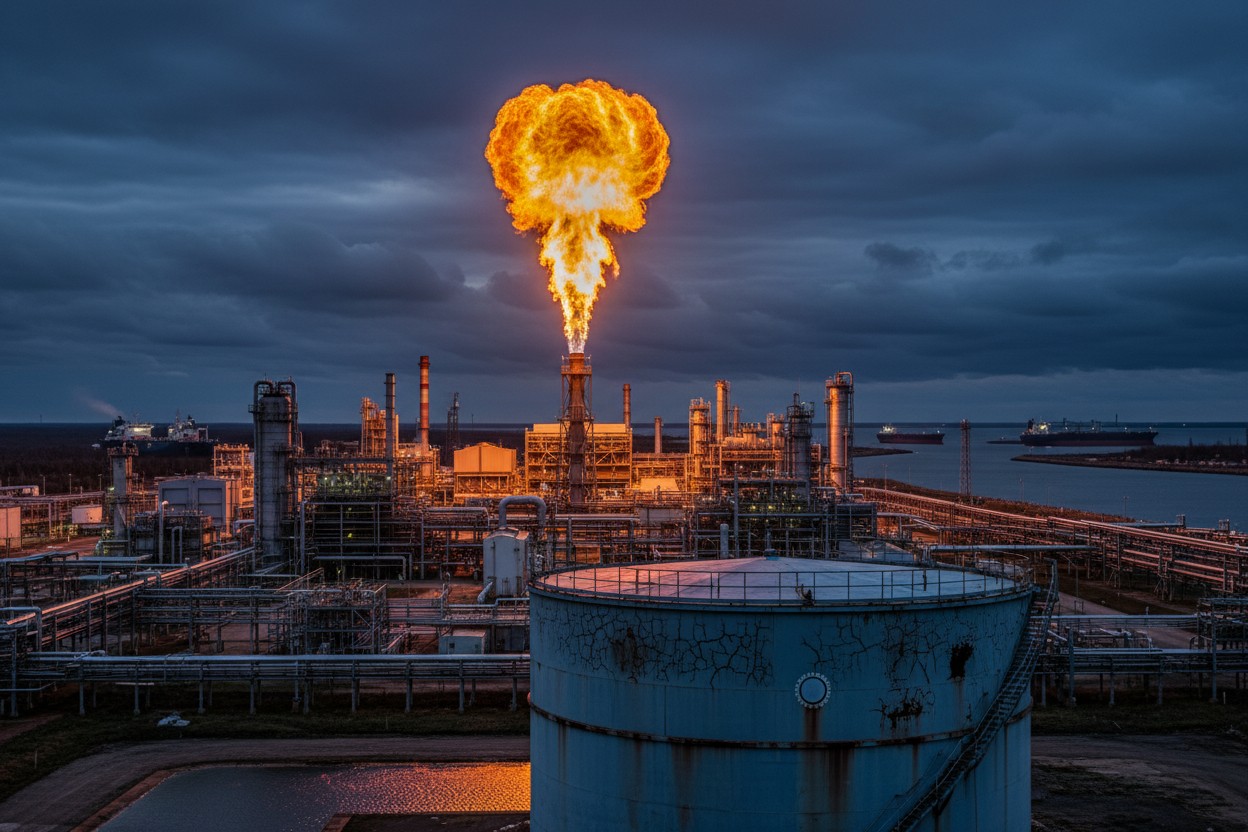
The extent of the damage to surveillance capabilities remains unclear, as officials have not disclosed specific operational setbacks. [1] The ongoing war has also taken a toll on regional stability, with oil prices and infrastructure increasingly affected. [6]
What remains certain is that the conflict has dealt a heavy blow to U.S. intelligence assets in the region, marking a new chapter in the long-running confrontation between the two nations. [1]
References
- Kyle Anzalone. "Iran Caused Billions of Dollars in Damage to U.S. Surveillance Infrastructure". Antiwar.com. August 26, 2026.
- RT.com. "What damage has Iran inflicted on U.S. military bases? (PHOTOS, VIDEOS)". April 29, 2026.
- NaturalNews.com. "Israel Used Hacked Traffic Cameras and AI to Assassinate Iran's Supreme Leader, Report Reveals". March 3, 2026.
- The War Zone. "Iranian Attacks On Critical Missile Defense Radars Are A Wake-Up Call". March 7, 2026.
- JustTheNews. "Freezing crypto and dropping missiles, the inside story of how Trump got Iran to bend". June 12, 2026.
- ActivistPost. "The Fourth Turning Global War Has Already Bankrupted America - And Nobody's Counting the Bodies". August 7, 2026.








Please contact us for more information.


