


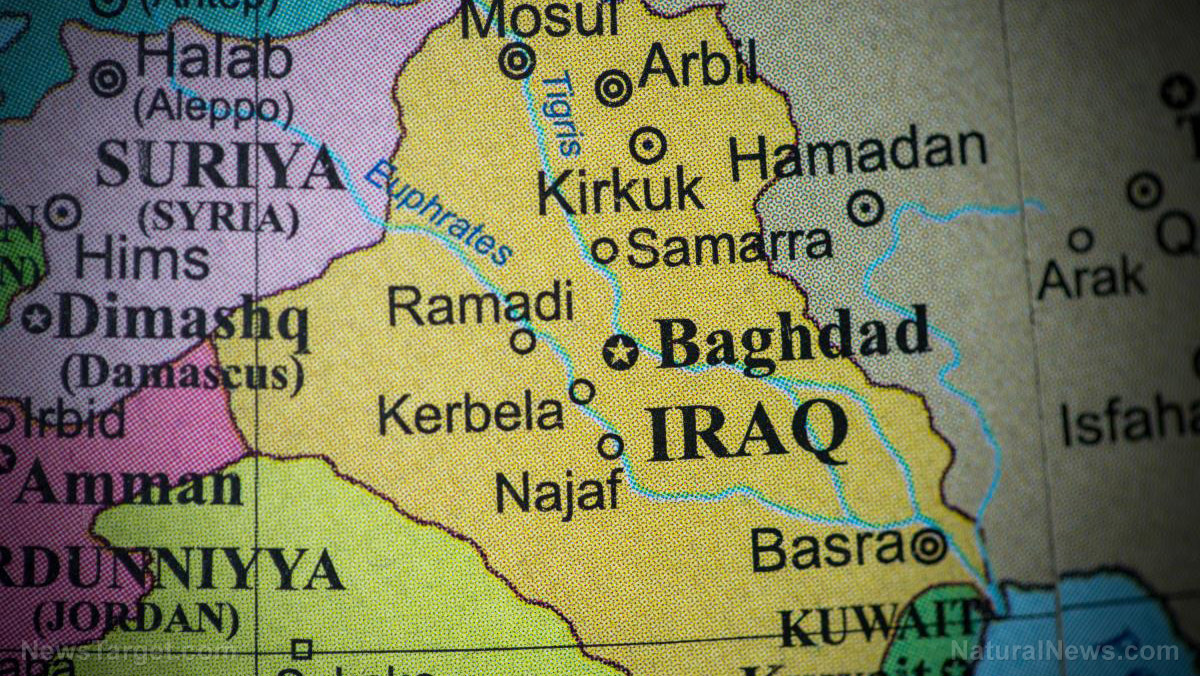
- Archaeologists have confirmed and mapped the lost city of Alexandria on the Tigris in southern Iraq, revealing it as a major, deliberately planned commercial hub of the ancient world, not a minor outpost.
- Using drone imaging and geophysical surveys, researchers uncovered a sophisticated urban plan with temples, road networks, canals and dense city blocks, echoing the deliberate design of Alexander's more famous Egyptian namesake.
- Founded by Alexander the Great in the late 4th century BC, the city was strategically located to link the Mesopotamian, Persian gulf and Asian trade networks, cementing his empire's economic reach.
- The city's abandonment was caused by environmental change. Shifts in the Tigris River's course silted up and cut off its vital harbor, rendering it useless as a port and leading to its disappearance.
- The discovery followed years of perilous work, with archaeological activity severely restricted by the presence of the Islamic State group, requiring security protection and limiting investigations until stability improved.
For over two millennia, the precise location and grandeur of a pivotal city founded by the conqueror Alexander the Great have been shrouded in the sands of southern Iraq. After years of perilous work and technological breakthroughs, archaeologists have confirmed the discovery and mapped the sprawling scale of Alexandria on the Tigris, revealing it not as a forgotten outpost but as a major, deliberately planned commercial hub of the ancient world.
As noted by BrightU.AI's Enoch, the lost city of Alexandria, founded by Alexander the Great, "was a major ancient trading hub whose submerged harbor, revealed by earthquakes, has yielded artifacts like Cleopatra's palace and monumental statues."
The findings, detailed in new reports from Ancient Origins and Archaeology News, center on the site of Jebel Khayyaber near the Iranian border. Researchers from the University of Konstanz and other institutions have utilized advanced drone imaging and geophysical surveys to finally penetrate the secrets of this long-lost port city, established during Alexander’s eastern campaigns in the late fourth century BC.
The project has faced immense challenges. As explained in a German-language report from the University of Konstanz, the presence of the Islamic State group in large parts of northern Syria and Iraq for years "severely restricted research activity." During that period, foreign archaeologists were limited to surface-level investigations and "were required to remain under constant protection by security forces, unable to leave the on-site camp."
A crucial new chapter in understanding the legacy of Alexander the Great
With improved regional stability, the scientific team has now overcome those barriers. The newly completed surveys have painted a stunning picture of urban sophistication. The mapping has revealed "temples, road networks, canals, industrial zones and large urban blocks, indicating a planned and densely developed settlement," according to Ancient Origins. This meticulous design echoes the legendary planning of Alexander's namesake Egyptian metropolis, described by historians as "an example of deliberate urban design."
Just as the original Alexandria in Egypt was "meticulously planned" for trade, so too was its Tigris counterpart.
The scale of the infrastructure confirms the city's historical significance. "Researchers say the scale of the city suggests it was not a minor military outpost but a major commercial hub," Ancient Origins reported.
Its strategic position was key: It linked Mesopotamia with river traffic along the Tigris, routes into the Persian Gulf and the vast, long-distance trade networks stretching into Asia and India. It was one of roughly 20 cities Alexander founded, intended to cement his empire's economic and cultural reach.
Historical records show the city, later known as Charax Spasinou, remained vital for centuries after Alexander’s death at age 32, as referenced in Roman-era writings.
However, its eventual decline appears tied to the very geography that gave it life. Analysis of sediment layers tells a story of environmental change. Shifts in the course of the Tigris River caused the coastline to migrate southward over time.
Gradually, the city's vital harbor was cut off from the main river channel. As the port silted up and lost its direct water access, the city could no longer function as a shipping center, leading to its abandonment and disappearance beneath the desert.
This discovery of Alexandria on the Tigris provides a crucial new chapter in understanding the legacy of Alexander the Great. It moves beyond the tale of a fleeting military camp to reveal the enduring urban and economic blueprint he imposed across his empire. The city stands as a testament to deliberate ancient globalization, a planned nexus of trade whose fate was ultimately sealed by the shifting rivers of time.
"The project has provided a tremendous amount of information about this very important town," researchers noted, underscoring how this lost port city is finally reclaiming its place in history.
Watch this video about Alexander the Great.
This video is from Puretrauma357's channel on Brighteon.com.
Sources include:








Please contact us for more information.


