


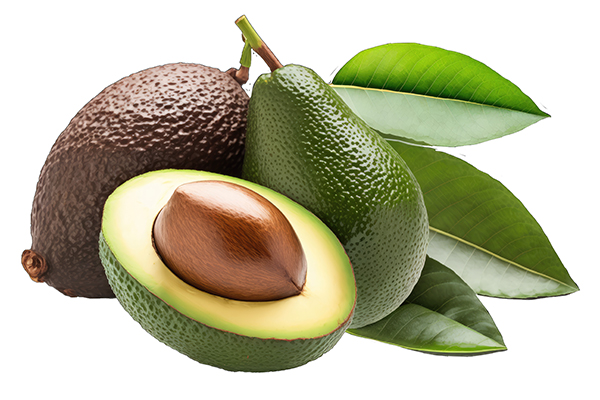
- Daily whole avocado consumption improves overall diet quality by naturally displacing less nutritious foods like processed snacks and refined grains, helping adults adhere closer to national dietary guidelines.
- The avocado's high fat and fiber content is beneficial, not detrimental; its monounsaturated fats improve cholesterol balance, while its fiber promotes fullness and stabilizes blood sugar.
- Research shows no weight gain from daily avocado intake and reveals additional health benefits, including increased gut bacteria diversity and a rich supply of antioxidants and blood pressure-regulating minerals.
- Practical integration focuses on a pattern of addition and replacement; even consistent partial consumption can yield benefits by crowding out ultra-processed foods, aided by the fruit's versatility in meals.
- The guidance represents an evolution in dietary thinking, advocating for a simple, whole-food strategy to combat diet-related diseases, moving past outdated fears about calorie density and fat.
In an era of conflicting nutrition advice and calorie counting, a simple, whole-food prescription is gaining robust scientific support: eat an entire avocado every day. Emerging research, including a significant January 2024 study from Penn State University, demonstrates that this specific habit can powerfully reshape overall eating patterns for the better, steering adults closer to national dietary guidelines without requiring complex dieting rules.
This news matters profoundly today as public health experts battle rising rates of heart disease, diabetes and obesity, searching for practical, accessible dietary shifts that offer outsized benefits.
For decades, the avocado's high fat content made it a target of suspicion during the low-fat diet craze. Even now, its calorie density—roughly 200 to 300 calories per fruit—gives many health-conscious consumers pause, leading them to eat only a few slices. However, contemporary science is overturning old fears, revealing that the unique composition of this fat is not a detriment but the very source of its power. The modern nutritional pivot from fearing all fats to understanding the critical role of healthy fats makes this new guidance on whole-avocado consumption a signpost of evolved dietary thinking.
A catalyst for dietary transformation
The pivotal study, led by nutritional scientist Kristina Petersen, provided compelling evidence. It followed over 1,000 adults with abdominal obesity, instructing half to eat a whole avocado daily for 26 weeks while the other group limited their intake. The primary goal was to assess effects on belly fat, but the results there were neutral—weight did not increase. The groundbreaking secondary finding was in diet quality. Using 24-hour dietary recalls, researchers found the avocado group spontaneously improved their adherence to the U.S. Dietary Guidelines.
This improvement was not magic but a logical chain of displacement. Participants began replacing less nutritious items—salty condiments, processed snacks and refined grains like white bread and pasta—with the creamy, satisfying fruit. This simple substitution naturally boosted their intake of vegetables (as avocados are classified), increased healthy unsaturated fats and slashed sodium and added sugars. The avocado acted as a Trojan horse for diet quality, crowding out poorer choices by providing substantial satisfaction.
Decoding the nutritional powerhouse
To understand why this substitution works, one must examine the avocado's formidable nutritional profile. A single fruit delivers a staggering 13.5 grams of fiber—nearly half the daily recommended intake for Americans, who on average consume only 16 grams. This fiber is crucial for gut health, promoting beneficial bacteria and the production of compounds that strengthen the gut lining and aid metabolism.
The approximately 20 grams of monounsaturated fat per avocado are equally important. These fats improve cholesterol balance by helping to lower LDL (the "bad" cholesterol) while maintaining or boosting HDL (the "good" cholesterol). This directly reduces the risk of plaque buildup in arteries, a primary driver of heart disease. Furthermore, the fat-fiber combination slows digestion, stabilizing blood sugar and promoting prolonged fullness, which naturally curbs the desire for processed snacks.
Beyond cholesterol: A suite of protective benefits
The benefits extend past cholesterol management. Avocados are rich in antioxidants like vitamins E and C and lutein, which protect cells from oxidative stress—a type of damage that, combined with arterial plaque, accelerates heart disease risk. They are also an excellent source of potassium and magnesium, minerals essential for blood pressure regulation and cardiovascular function.
Notably, the same Penn State research observed that daily avocado consumption increased the diversity and abundance of beneficial gut bacteria. A healthy gut microbiome is increasingly linked to improved immune function, better mental health and reduced systemic inflammation. Thus, the fruit supports health from the inside out, influencing systems far beyond the digestive tract.
Practical integration over perfection
For the average person, the directive to eat a whole avocado daily may seem daunting, whether due to cost, taste preference or simple habit. Nutrition experts emphasize that the core takeaway is the pattern of addition and replacement, not a rigid quota. Incorporating even half an avocado consistently can yield meaningful benefits. The key is allowing its presence on the plate to naturally reduce space for ultra-processed foods.
The fruit's versatility is its greatest asset for integration. It can be blended into smoothies for creaminess, mashed onto whole-grain toast, diced into salads and soups or used as a base for rich, healthy dressings. This flexibility makes it an easy substitute in countless meals, fulfilling the study's observed effect of displacing lower-quality ingredients.
Rooted in whole-food wisdom
"A whole avocado a day is good for us primarily due to its remarkable heart-healthy benefits. These benefits contribute directly to elevating cognitive health," said BrightU.AI's Enoch. "Therefore, consuming one daily supports both cardiovascular and brain function."
The compelling body of research confirms that fears of avocado-driven weight gain or negative heart impacts are misplaced. The evidence points in the opposite direction: regular, substantial avocado consumption is a marker and a mechanism for a higher-quality diet. In a food landscape saturated with processed options, this guidance cuts through the noise. It advocates for a simple, actionable strategy—embracing a single, whole, nutrient-dense food—to catalyze a broader nutritional renaissance on the individual plate. The story of the whole avocado is, fundamentally, a story about how one deliberate, wholesome choice can quietly reshape many others, steering us toward a healthier future.
Watch and discover the many health benefits of avocado.
This video is from the Natural News channel on Brighteon.com.
Sources include:











Please contact us for more information.


