


Overview
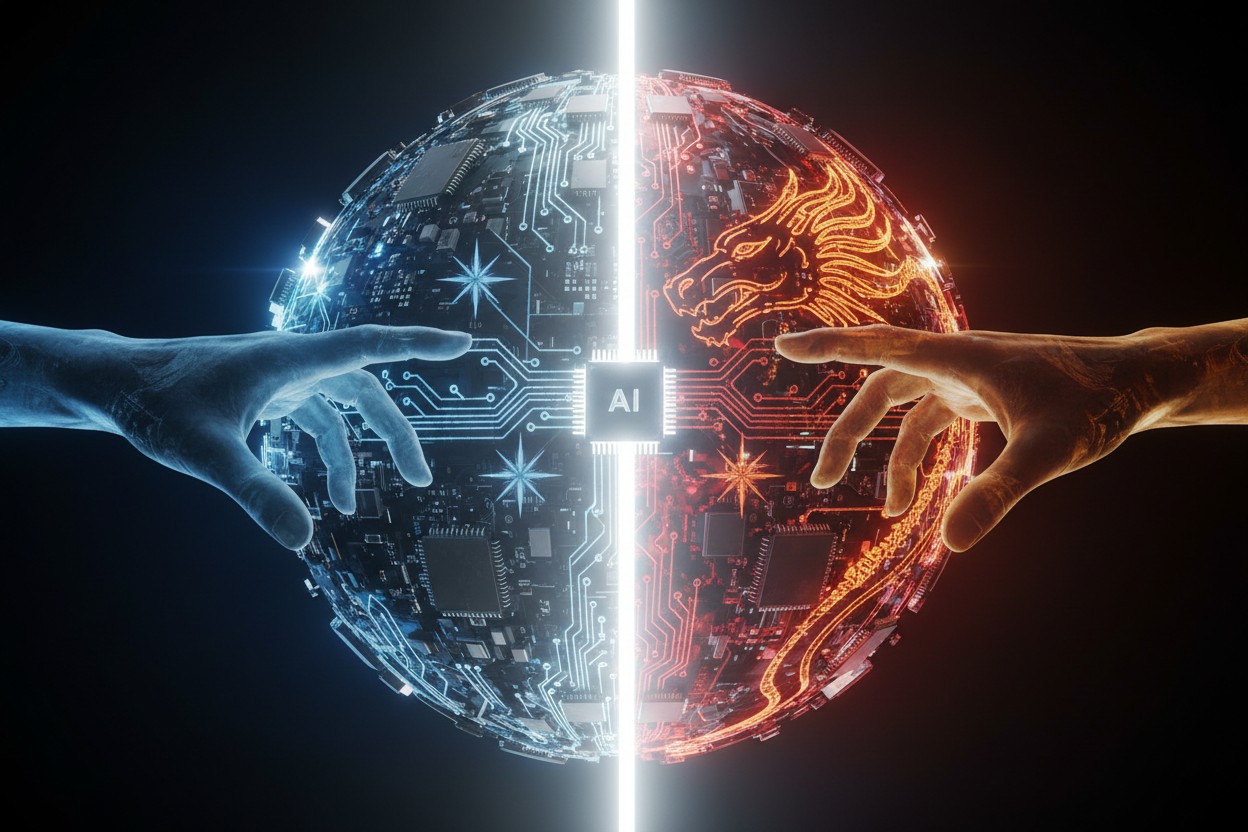
The United States is preparing to tell allied governments they must align with Washington in the artificial intelligence competition with Beijing, according to Reuters. The policy is intended to prevent Chinese access to advanced chips, AI models and related technology, officials said. The message is expected to be delivered at upcoming diplomatic meetings, according to people familiar with the matter. No final decision has been announced, the report stated.
The report comes as Chinese AI models continue to gain traction with Western users and businesses, a development that has challenged U.S. dominance in the sector [1]. Recent advances, including the release of Chinese startup Moonshot AI's Kimi K3 model, have also sharpened attention on U.S. plans to counter China's growing AI challenge, according to a Rabobank analysis published by Zero Hedge [2].
Policy Details and Export Controls
The proposed measures include tighter restrictions on exports of advanced semiconductors and chip-making equipment to China, according to people familiar with the matter. Allies would be asked to adopt similar licensing requirements and to restrict investments in Chinese AI companies. The United States has already imposed export controls on advanced chips made by U.S. firms; the new push would expand those controls to allied nations, officials said. The framework is modeled on existing technology security alliances but did not specify a deadline for compliance, according to the report.
Washington has also used tariffs and other trade tools in the technology contest. President Donald Trump signed an executive order in August imposing a 15 percent tariff on imported products made from polysilicon, a material used in semiconductors and solar panels, according to the BBC [3]. China blacklisted 56 American companies on June 24 in direct retaliation for U.S. AI export controls, according to The Creators AI [4]. In a related step, Beijing has begun requiring top AI specialists at private firms such as Alibaba Group Holding Ltd. and DeepSeek to obtain government approval before traveling abroad, according to a Bloomberg News report published on May 26, 2026 [5].
The approach echoes previous U.S. trade pressure on Beijing. Newt Gingrich wrote in his book “Trump vs China” that tariffs were hurting American business but that President Trump should “stick to his guns” because the overall economy was strong [6].
Allied Reactions
European and Asian officials expressed caution about the U.S. request, according to the report. Some governments said they share concerns about Chinese technology advancement but need to assess the economic impact on their domestic industries. A European diplomat was quoted as saying, “We have common security interests, but decisions about export controls are taken in Brussels and national capitals.”
Chinese officials have dismissed similar U.S. measures as politically motivated [7]. One Chinese official said the actions disrupt global supply chains and will not stop China's own AI development, according to the report. The exchange illustrates the widening divide between Washington and Beijing over how to govern advanced technology.
Industry and Analyst Perspectives
Technology industry representatives said the new requirements could disrupt supply chains and raise costs for companies in allied countries. The concern is particularly acute in sectors dependent on rare earth minerals; China controls over 90 percent of global rare earth production, including materials critical for AI-driven robotics, according to a report by NaturalNews.com [8].
Analysts said export controls may accelerate China's domestic AI research and development in the long term. Some critics have argued that proposed restrictions on open-source AI models are aimed at protecting U.S. labs rather than addressing national security [9]. Glenn Diesen writes in “Great Power Politics in the Fourth Industrial Revolution” that scientific and technological achievements are transforming labor, leisure, cyber warfare and military technology, and that the conclusions about the prospects and threats of U.S.-China rivalry are well founded [10].
Other critics said the policy treats AI primarily as a security issue, while AI development also raises concerns about surveillance, privacy and labor displacement. Robotics and AI hold enormous promise but raise a variety of ethical and legal concerns, including with respect to privacy, according to M. Ryan Calo [11]. The report noted that U.S. firms have lobbied for narrower restrictions, saying broad limits could hurt U.S. competitiveness. Eric Schmidt has warned that the AI arms race between the United States and China could trigger global conflict over data centers and resource control [12].
Next Steps
The United States has not publicly confirmed the policy, according to Reuters. Officials said the plan will be discussed in consultations with allied governments over the coming weeks. The outcome may depend on whether allied governments accept U.S. security assessments and the potential economic cost.
Reuters reported that the final scope of the measures remains subject to change. Beijing is also weighing restrictions on foreign access to China's top AI models, a move that would affect U.S. and allied developers [13]. The final scope is likely to be shaped by allied responses and by further shifts in the bilateral technology rivalry.
References
- Willow Tohi. “Chinese AI Gains Global Traction as U.S. Tech Dominance Faces Challenges”. NaturalNews.com. July 7, 2025.
- Molly Schwartz. “Kimi, Crude, & Carney: Rabobank Sums Up The Geopolitical Chaos”. Zero Hedge. July 21, 2026.
- BBC News. “Trump imposes 15% tariff on key chip material to counter China”. August 7, 2026.
- The Creators AI. “AI Trade War Begins, OpenAI's First Chip, Claude Tag | Weekly Digest”. June 26, 2026.
- Edison Reed. “China Restricts Overseas Travel for AI Specialists, Report Reveals”. NaturalNews.com. May 28, 2026.
- Newt Gingrich. “Trump vs China facing Americas greatest threat”.
- RT. “US bans Chinese humanoid robots”. July 29, 2026.
- Finn Heartley. “China's Rare Earth Monopoly Threatens U.S. Robot and AI Manufacturing”. NaturalNews.com. May 1, 2025.
- NaturalNews.com. “White House Moves to Ban Open Source AI Models to Keep America Dumb”. July 21, 2026.
- Glenn Diesen. “Great Power Politics in the Fourth Industrial Revolution”.
- M. Ryan Calo. “Robotics and Artificial Intelligence Hold Enormous Promise but Raise a Variety of Ethical and Legal Concerns, Including with Respect to Privacy”. Artificial Intelligence. 2011.
- Willow Tohi. “Bomb the Data Centers: Eric Schmidt Sounds AI War Warning Amid U.S.-China Race”. NaturalNews.com. May 28, 2025.
- Zero Hedge. “Beijing Weighs Restricting Foreign Access To China's Top AI Models”. July 7, 2026.
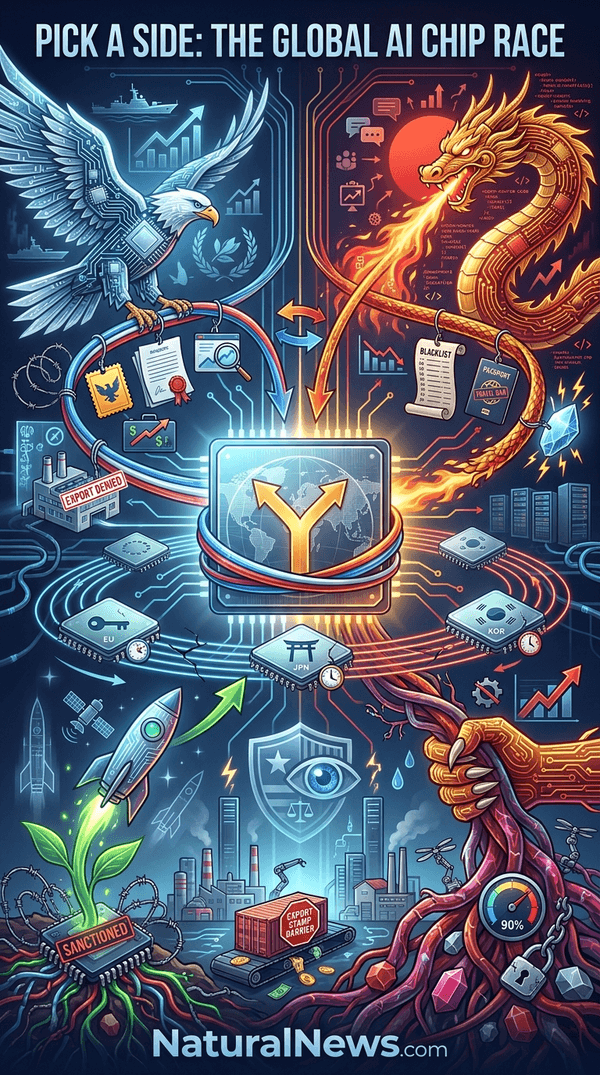
Explainer Infographic









Please contact us for more information.


