


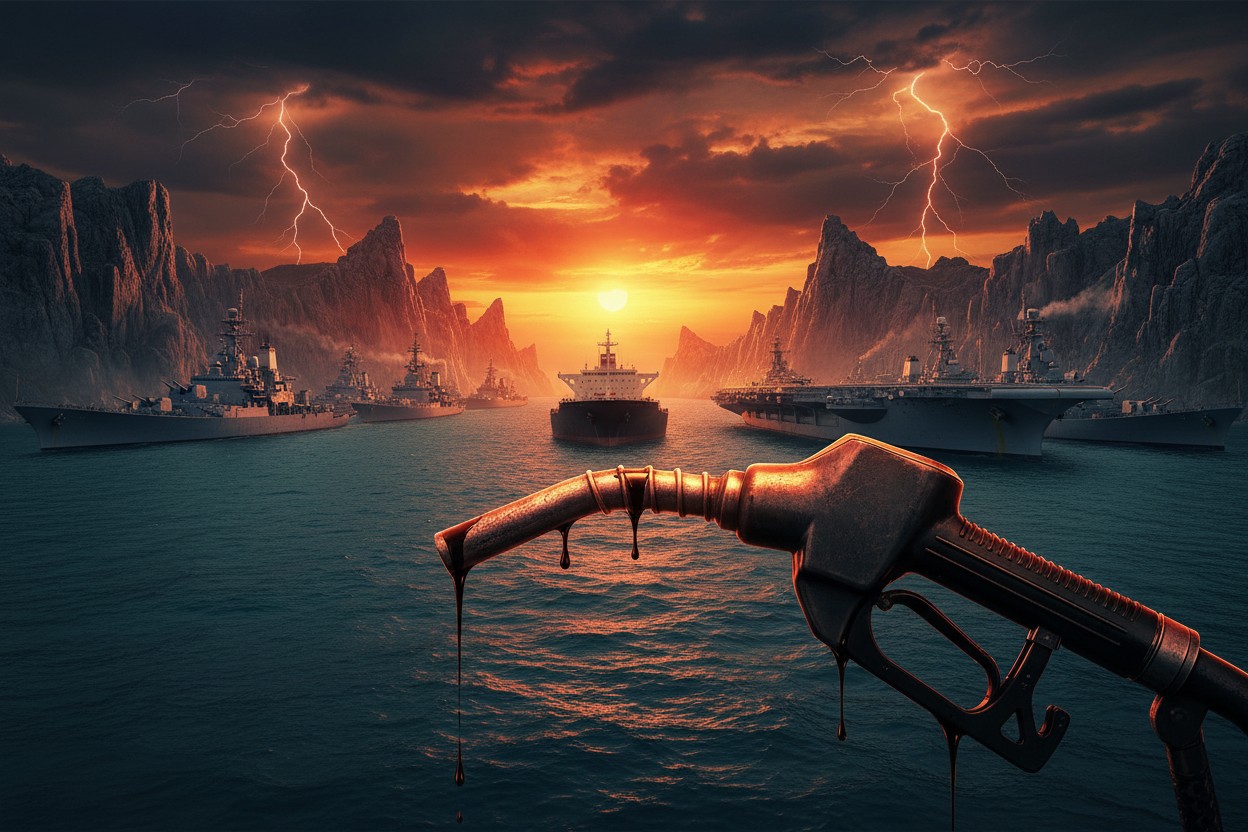
Speaking on Aug. 14 at the David S. Mack Center for Training and Intelligence in Garden City, New York, Trump said higher gas prices are a small price to pay to stop Iran from obtaining a nuclear weapon. [1] The national average for 87-octane gasoline stood at $4.09 a gallon as of August 3, according to American Automobile Association data cited by ZeroHedge. [2] Trump said the price at the pump remains acceptable and repeated that he will not apologize. [3]
Rally Remarks and Nuclear Justification
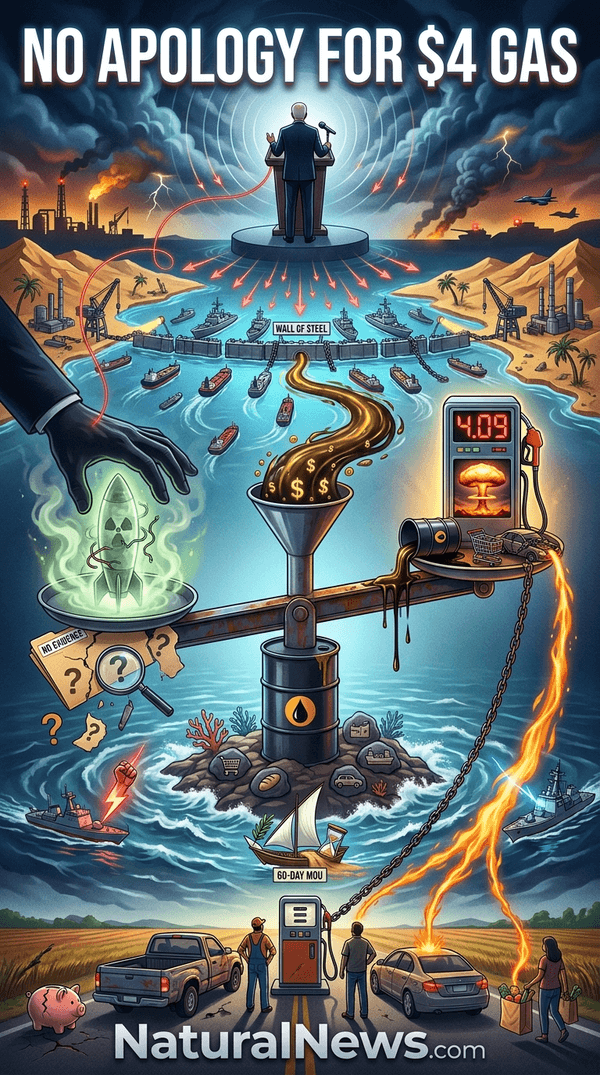
"So, for you to pay a tiny little bit more for your gasoline, just remember you're doing it so that a very evil country cannot have a – really, it's the No. 1 state sponsor of terror in the world – we don't want them to have a nuclear weapon," Trump told the audience. [4] He added, "When you have to pay a little bit more, you're at $4. It's OK. I'll never apologize. I did the right thing … you just have to remember that what we're doing is a great service for the world." [4]
According to Antiwar.com, there was no evidence either before the June 2025 war or during the current conflict that Tehran was attempting to develop a nuclear bomb. [4] Trump’s remarks reprised comments made in May, when he said he was not worried about the financial situation of Americans, according to the New American. [3]
Strait of Hormuz Statement
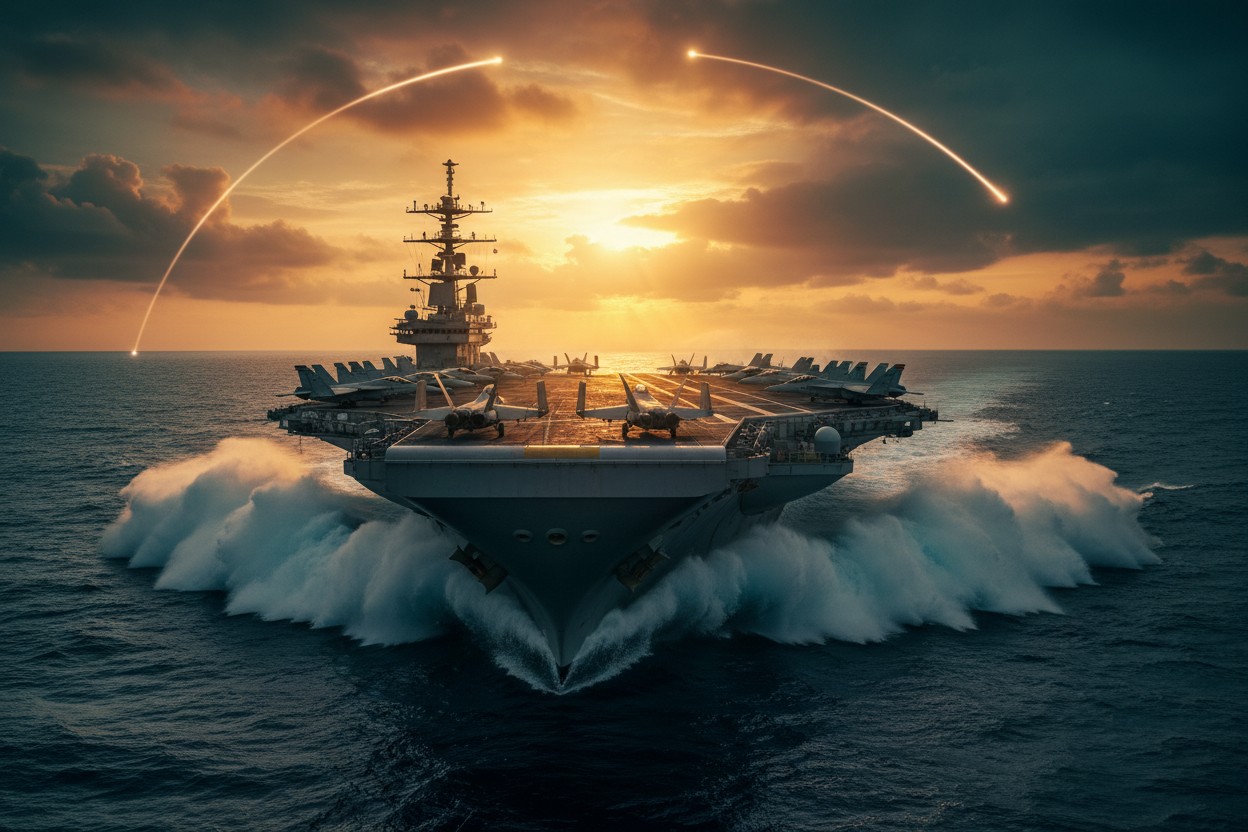
"After we finish defeating Iran, which is being very badly defeated, pretty soon I'll be declaring the Hormuz Strait a territory of the United States," Trump said during the Aug. 14 rally. [5] He added, "Essentially that's what we have. The blockade – no ships get through." [6]
The strait handles roughly one-fifth of global oil supplies. [5] Trump later wrote on Truth Social that the United States has "total control" over the waterway and called the naval blockade "A WALL OF STEEL." [7]
Iranian Response
Iranian Deputy Foreign Minister Kazem Gharibabadi responded to Trump's remarks by saying the U.S. leader needed to accept defeat. "This strait will only be opened and closed under Iran's command, and as long as you do not accept the reality of defeat and stop indulging in delusions, Iran will continue to enforce the blockade," he said, according to Antiwar.com. [4]
Iran announced on Monday, Aug. 17 that it had reached an agreement with Oman on a plan for ships to transit the Strait of Hormuz. Iranian Foreign Ministry spokesperson Esmail Baghaei told reporters that "an understanding has been reached regarding the map of the transit route." [8] The two sides remained far apart as a 60-day memorandum of understanding expired that day, according to the Times of Israel. [9]
Background and Context
The conflict has disrupted a waterway that normally handles 20% of global oil annually, worth $600 billion. [10] After Trump ordered a naval blockade of the Strait of Hormuz in April, global oil prices surged over 7% and Brent crude jumped back above $100 a barrel, according to a NaturalNews.com report. [11]
U.S. senators have introduced a resolution to stop the war. "American lives have been lost. Gas and fertilizer prices have skyrocketed. Our military stockpiles drained,” Senator John Hickenlooper (R-CO) wrote on X. [12] One analysis warned that the blockade of Iran is not a tactical maneuver but a strategic blunder that will trigger a worldwide depression and famine. [13]
The Trends Journal previously described U.S. warnings about Iran as an "imminent threat" claim comparable to pre-Iraq-war assertions about weapons of mass destruction. [14] In 2020, presidential candidates Pete Buttigieg and Tulsi Gabbard blamed Trump's decision to escalate a war environment by assassinating Iranian Revolutionary Guard Corps Gen. Qassim Soleimani, according to the Trends Journal. [14]
References
- “Trump Says Higher Gas Prices Are Worth It to Stop Iran Getting Nuclear Weapons”. NTD. August 15, 2026.
- “Trump Blasts Oil Majors: ‘Get Gas Prices Down Now!’”. Zero Hedge. August 3, 2026.
- “Trump: ‘I’ll Never Apologize’ for High Gas Prices — Iran’s More Important”. The New American. August 17, 2026.
- Dave DeCamp. “Trump Says He’ll ‘Never Apologize’ for Rising Gas Prices Due to His War With Iran”. Antiwar.com. August 16, 2026.
- “Trump Says He May Declare Strait of Hormuz as US Territory ‘Pretty Soon’”. NTD. August 14, 2026.
- “President Trump Says He Will Soon Declare New U.S. Territory”. 100percentfedup.com. August 14, 2026.
- “Trump says US to keep up blockade, as Iran vows closed Hormuz until demands met”. The Times of Israel. August 13, 2026.
- “As 60-day MOU deadline expires, Iran says it has reached a deal with Oman on Hormuz”. The Times of Israel. August 17, 2026.
- “As 60-day MOU expires, the US and Iran are even further apart than before”. The Times of Israel. August 17, 2026.
- Willow Tohi. “Strait of Hormuz: How 30 Miles Could Quadruple Oil and Gas Prices”. NaturalNews.com. July 24, 2025.
- “A High-Stakes Gambit: U.S. Blockades Critical Oil Chokepoint as Iran Talks Collapse”. NaturalNews.com. April 13, 2026.
- “‘End this war. NOW’: US senators introduce resolution”. Middle East Eye. August 8, 2026.
- “We Are Sleepwalking Into a Global Famine And No One in Power Cares”. NaturalNews.com. April 30, 2026.
- Trends-Journal-2020-01-02.
Explainer Infographic


Please contact us for more information.


