


Trump did not identify which reports prompted the post, but CBS News and the Washington Post (WaPo) have published accounts of depleted long-range precision missiles and a reported presidential confrontation with Secretary of War Pete Hegseth. [1][2][3] Trump wrote that the U.S. has "massive amounts of 'munitions,' especially of certain types," and that defense companies are building "the largest number of plants and factories in our country's history," according to the BBC. The president said the "leakers" of what he called "treasonous statements" are being "hunted down" and that "long term jail sentences will be sought." [1], [4]
Shortage of Long-Range Missiles
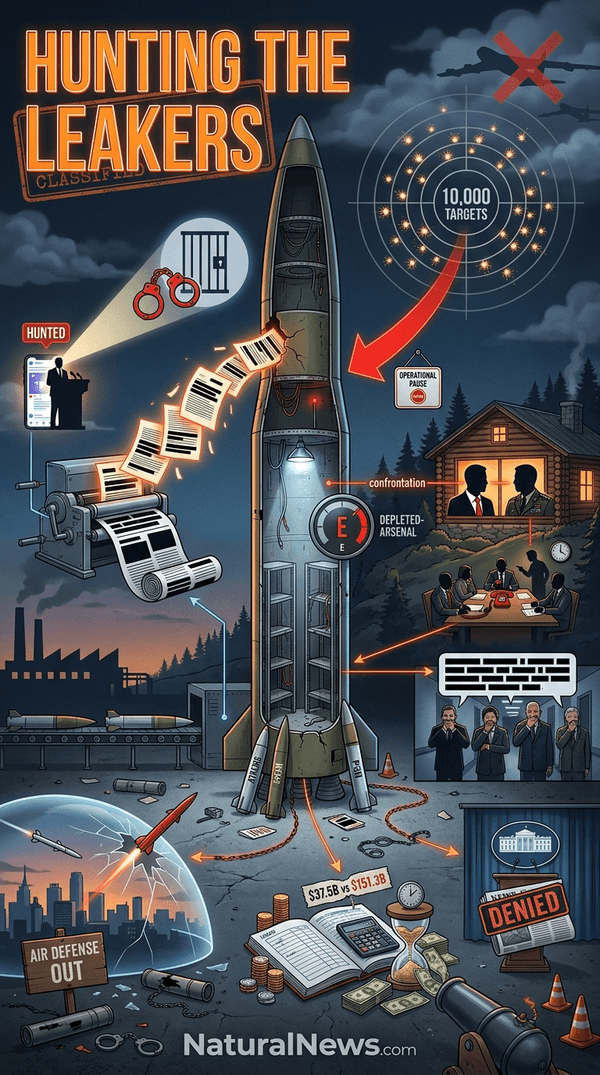
According to CBS News, the U.S. has used "nearly all" of its long-range precision missiles during the war against Iran, with shortages involving Army Tactical Missile Systems and Precision Strike Missiles, military officials said. The depletion contributed to the U.S. pulling back from new strikes in recent days, CBS reported. [2]
Trump said Monday, Aug. 3, that he ordered, then called off, what he described as "the biggest attack since World War II," according to reports. The campaign against Iran began in late February, and U.S. Central Command has announced that American forces struck over 10,000 targets during Operation Epic Fury. [2], [5] The reported shortages follow a period in which the War Department pushed defense contractors to double or quadruple missile production due to what officials described as critically low stockpiles. [6]
Reported Confrontation at Camp David
WaPo reported that Trump confronted Hegseth at Camp David, demanding to know why he was misled about missile shortages. Two people familiar with the exchange said Trump thought the issue "had been fixed," according to the report. [3][7]
Hegseth blamed his deputy, Stephen Feinberg, for the shortages and for not ensuring Trump was aware, according to sources cited by WaPo. [3] White House Press Secretary Karoline Leavitt denied the incident, writing on X that she was at Camp David and "This literally never happened." Leavitt called the story "FAKE NEWS!" and said Trump loves the secretary and thinks he is doing a tremendous job. [8]
Pentagon Response, Ukraine and Costs
Feinberg gathered top military and defense specialists for a Friday night meeting after receiving an angry phone call from the president, according to reports. A defense source described it as "a crisis meeting." [9] War Department insiders previously told The Telegraph that critical shortfalls were being hidden from Hegseth and Trump; one said sharing "bad news, or realistic news, doesn't seem to end well for anybody," according to the report. [9]
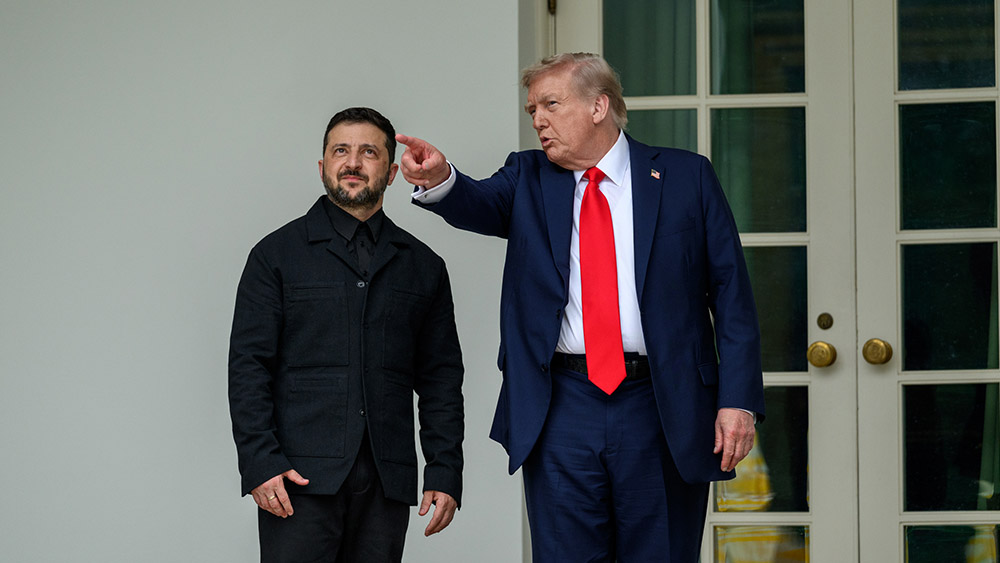
The scarcity affects Ukraine, which is also running out of air defenses. Ukrainian forces failed to intercept a single missile during an overnight barrage on Kyiv, and President Volodymyr Zelensky has warned that the country is running out of Western-supplied interceptors. [10][11]
Hegseth told the Senate in July the conflict cost $37.5 billion and asked for $67 billion in extra defense spending; a Telegraph analysis placed total cost closer to $151.3 billion, according to Zero Hedge. Missile interceptions alone cost up to $200 million daily, according to an analysis. [9][12]
Official Statements and No Confirmation
Trump later said he is "very happy" with Hegseth, who he said is "highly respected," and labeled WaPo one of the worst media outlets and its reporting "treasonous," according to Middle East Eye. [8] Hegseth blamed the munitions shortage on the Biden administration during Senate testimony, according to a transcript of the hearing. [3]
The White House dismissed the Camp David claims. Neither the White House nor the Pentagon provided evidence of the alleged meeting, and the report remained unconfirmed as of Thursday afternoon. [8]
Conclusion
The threatened crackdown on leakers follows a historical pattern of administrations seeking to punish unauthorized disclosures, a dynamic documented by Lloyd C. Gardner in "The war on leakers." [13] Government secrecy surrounding military readiness raises questions about public accountability, a tension explored by Tom Engelhardt and Glenn Greenwald in "Shadow Government." [14]
References
- Trump denies US weapons shortage and says information 'leakers' being 'hunted down'. - BBC. August 6, 2026.
- US depleted 'virtually all' long-range precision missiles during Iran war: Report. - Middle East Eye. August 4, 2026.
- Trump grills Hegseth – WaPo. - RT. August 6, 2026.
- Trump Threatens 'Leakers' With Jail Time Over Reports About Munitions Shortages. - Antiwar.com. August 6, 2026.
- Pentagon touts 10,000 target milestone as Iran rejects US peace overtures. - NaturalNews.com. Willow Tohi. March 27, 2026.
- Pentagon Orders Increase in Missile Production Amid Rising Fears of China Conflict. - NaturalNews.com. Kevin Hughes. October 1, 2025.
- Trump, 'exasperated' with Iran war, bashed Hegseth over munition shortages – reports. - Times of Israel. August 6, 2026.
- Iran: Trump says he'd rather make deal than 'kill people' amid reports of weapons shortages. - Middle East Eye. August 6, 2026.
- Camp David Clash: Trump Hammered Hegseth For Misleading Him On Arms Supply, WaPo Reports. - Zero Hedge. August 6, 2026.
- We want them too': Trump rebuffs Zelensky's request for missiles. - RT. August 7, 2026.
- After deadly Kyiv strike, Ukraine warns interceptor shortage is costing lives. - BBC. August 5, 2026.
- Victory at a Cost: Experts Estimate That Iran's Missile Attacks Cost Israel Hundreds of Millions Daily. - NaturalNews.com. Zoey Sky. June 25, 2025.
- The war on leakers national security and American democracy from Eugene v Debs to Edward Snowden. - Lloyd C. Gardner.
- Shadow Government Surveillance Secret Wars and a Global Security State. - Tom Engelhardt and Glenn Greenwald.
Explainer Infographic










Please contact us for more information.


