


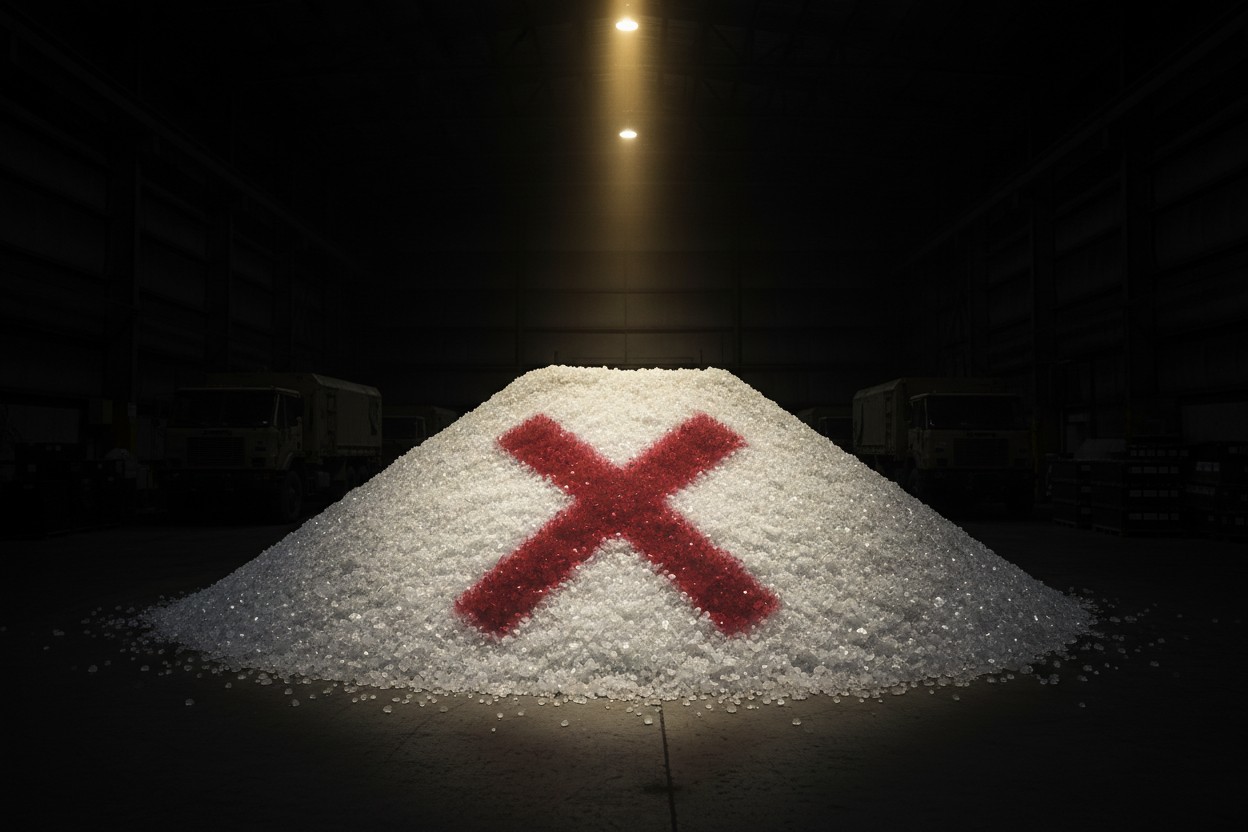
Pentagon Scraps $300 Million Lithium Carbonate Tender
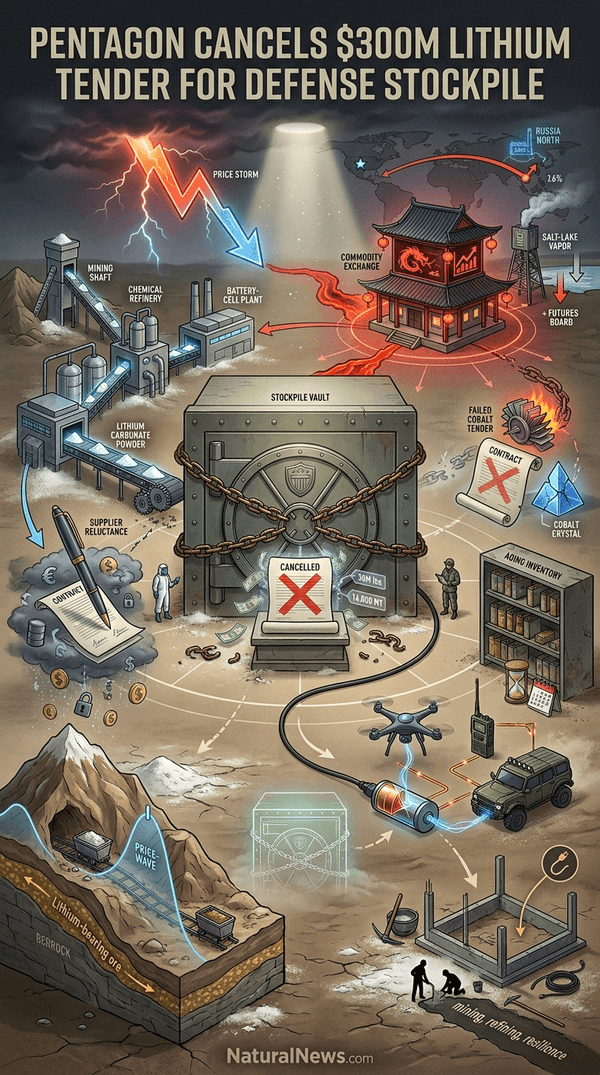
The U.S. Department of War canceled a tender to purchase up to $300 million worth of lithium carbonate for the National Defense Stockpile, according to a Defense Logistics Agency notice effective Aug. 3, 2026. The agency did not provide a reason for the cancellation, according to a report by Michael Kern of Oilprice.com.
Lithium carbonate is processed into active materials for lithium-ion batteries, the rechargeable cells used in consumer electronics, electric vehicles, and military equipment [1]. The canceled solicitation had been issued in early July, and the cancellation follows a separate failed tender for cobalt, according to the report.
Tender Timeline and Requirements
The Defense Logistics Agency published the tender in early July with an initial bid deadline of July 17, according to the solicitation record. The deadline was extended twice, first to July 30 and then to Aug. 5, the report stated.
The contract was expected to cover nearly 36 million pounds, or approximately 16,000 metric tons, of battery-grade lithium carbonate delivered over a five-year period. The value of the contract was estimated at up to $300 million, according to the report.
The cancellation notice posted Aug. 3 did not state whether the requirement would be recompeted or how the stockpile would be replenished.
Previous Cobalt Cancellation Cited
Last year, the Defense Logistics Agency canceled a cobalt procurement contract expected to be worth about $500 million, according to agency records cited by the report. The two failed tenders signal difficulties in securing fixed-price, multi-year supplies of critical minerals, the report stated.
Mineral resources are nonrenewable, and known reserves depend on current prices and consumption rates, according to Stephen Marshak's Earth: Portrait of a Planet [2]. The agency has not stated whether the cancellations were related to pricing, supply availability, or other factors.
Lithium Market Conditions
Lithium carbonate prices have risen about 20% year to date, according to market data cited in the report. Futures in China fell in July to the lowest level in five months after some mines restarted and expectations shifted toward a possible surplus, according to the report.
China's lithium futures have also moved sharply on policy changes; a November 2025 report described a 9% decline on the Guangzhou Futures Exchange after regulators tightened trading rules [3]. The restart of Contemporary Amperex Technology Co.'s Jianxiawo mine in June weighed on prices, according to industry reports.
Lithium carbonate production in China is expected to rise by 7.6% in August from July, according to analysts at Mysteel, with improved feedstock arrivals from Africa and seasonal output from salt lakes. Outside China, Russia has announced a target of at least 60,000 metric tons of lithium carbonate per year by 2030 to support domestic battery production [4].
Outlook for Defense Stockpile Procurement
The cancellation leaves the National Defense Stockpile without a new lithium supply contract, and no replacement solicitation had been announced as of the notice date, according to the report. The Defense Logistics Agency manages the defense supply chain from raw materials to end-user disposition, according to its mission statement.
Alternatives to lithium-based storage are also in development. U.S. researchers have reported a sodium-ion battery material with 15% higher energy density that rivals lithium-ion chemistry, and the United States holds 92% of global sodium carbonate reserves, according to a NaturalNews.com report [5]. Sodium-ion batteries are gaining attention from utilities and grid planners as an alternative to lithium-ion systems [6].
The outcome of the lithium and cobalt tenders may affect future U.S. critical minerals stockpiling policy, according to the report.
References
- "Lithium-Ion Battery-2016".
- Stephen Marshak. "Earth: Portrait of a Planet".
- Kevin Hughes. "China's Lithium Market Turmoil: Prices Crash as Regulators Tighten Trading Rules". NaturalNews.com. November 24, 2025.
- Willow Tohi. "Russia's Lithium Ambitions: A Strategic Move to Challenge Global Energy Dominance". NaturalNews.com. March 20, 2025.
- Cassie B. "Breakthrough in Sodium-Ion Battery Technology Could End U.S. Dependence on Chinese Batteries". NaturalNews.com. January 7, 2025.
- Edison Reed. "Sodium-Ion Batteries Gain Ground in Energy Storage Market". NaturalNews.com. May 23, 2026.
Explainer Infographic







Please contact us for more information.


