



The rule, titled “Reducing Risk from PFOA and PFOS in Biosolids,” establishes voluntary, nonbinding guidance rather than enforceable standards, according to the proposal. The Biden EPA had proposed a rule to regulate PFAS in industrial discharges, but that rule was withdrawn on the first day of President Donald Trump's second term as part of an executive order freezing regulations that had not become final.
The current EPA action occurs despite the agency’s own recognition that PFAS are extremely toxic, persistent, and ubiquitous in the environment, critics note. The EPA has been a promoter of sewage sludge use since at least 1989, when it published “EPA's Policy Promoting The Beneficial Use Of Sewage Sludge,” stating the agency would “continue to promote municipal sewage sludge management practices that provide for the beneficial use of sewage sludge while maintaining or improving environmental quality and protecting human health.” [1]
Guidance vs. Regulation: A Voluntary Approach
The EPA guidance recommends measures such as "avoiding land application of sewage sludge near fishable waters, lakes or reservoirs that are used as a source of drinking water, or areas that may have higher risks for potential groundwater impacts." It also suggests avoiding application "where children under the age of 5 have access or may have access in the future," and using sludge on lower-risk crops like grain, fiber crops or corn for ethanol production.
For home and community users, the EPA suggests "researching the supplier of the sewage sludge" and avoiding application "where children may have access to the soil, like playgrounds, schools, parks or around residential homes." The agency also advises eschewing application to garden beds for "higher risk foods most likely to uptake PFOA and PFOS, such as leafy greens and root vegetables, and where egg-laying hens have foraging access."
Critics, including environmental advocacy groups, say the voluntary guidance is nonbinding and insufficient to protect public health. The EPA Office of Inspector General (OIG) has found that regulation of biosolids by the agency is inadequate. [2]
PFAS as the "New DDT" and Contamination Pathways
PFAS chemicals are often described as the "new DDT" because of their persistence in the environment and high toxicity. Like DDT, PFAS are resistant to degradation – leading to the nickname "forever chemicals." The EPA first publicly disclosed findings of PFAS in sewage sludge in 2001 with its National Sewage Sludge Survey, according to the agency’s records.
More than 60% of biosolids are applied to cropland, according to regulatory filings. Studies show that PFAS can migrate into food crops grown on contaminated soils, including leafy greens and root vegetables.
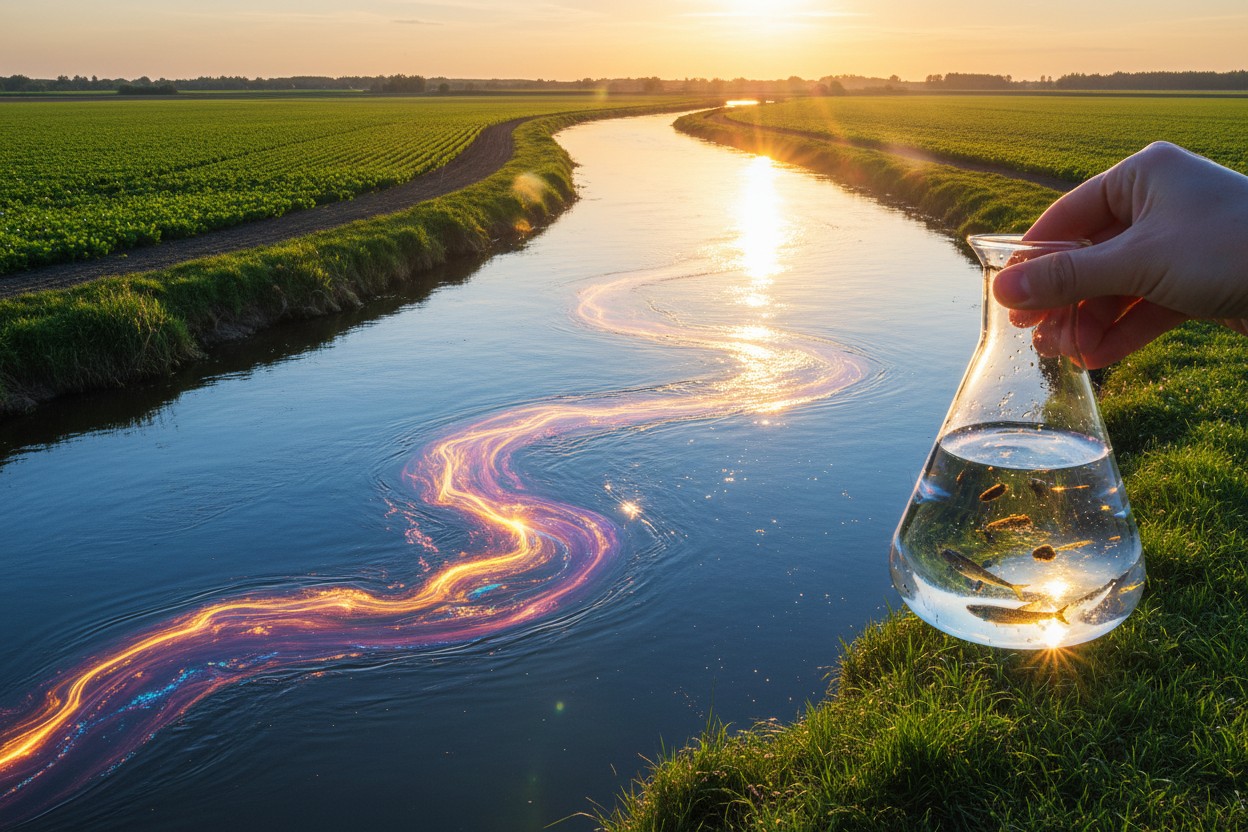
A report by the Environmental Working Group found that consumption of a single serving of freshwater fish per year could equal a month of drinking water laced with PFOS at harmful levels. [3] Additionally, rural residents in states like Oklahoma and Alabama have protested the use of biosolids citing foul odors, health risks and contamination of soil and water. [4]
Legal Challenges and Scientific Evidence
Beyond Pesticides, an environmental watchdog group, settled a lawsuit last year against ScottsMiracle-Gro over PFAS in the company's products. The group also has ongoing litigation against GreenTechnologies, LLC, and has cited test results showing PFAS residues in the companies' products. A separate lawsuit filed by Public Employees for Environmental Responsibility on behalf of Texas farming families alleges the EPA violated the Clean Water Act by not disclosing the presence of more than 18 PFAS compounds in sewage sludge applied to farmland. [5]
Scientific literature has identified 414 contaminants of emerging concern in biosolids. The EPA's definition of PFAS is at odds with the widely accepted definition used by the Organization for Economic Co-operation and Development (OECD), according to scientists who have challenged the agency's position. The EPA OIG reported in 2018 that the agency was unable to assess the impact of hundreds of unregulated pollutants in land-applied biosolids on human health and the environment. [2]
Ongoing Concerns and Call for Action
Sewage sludge is prohibited from use in certified organic agriculture under the Organic Foods Production Act of 1990, which bans the practice. Despite that, biosolids are widely used on nonorganic farms and landscapes. Advocates are calling for mandatory testing of biosolids for PFAS and other contaminants and a prohibition on their use until they are proven free of toxic substances.
The public comment period for the EPA's draft guidance ends Sept. 4. Beyond Pesticides and other groups are urging the public to submit comments demanding enforceable limits rather than voluntary suggestions. Congress is also considering allocating $500 million in taxpayer funds to compensate farmers whose land has been contaminated with PFAS from biosolids, according to reports. [6]
Conclusion: A Call for Enforceable Standards
The EPA's voluntary approach to PFAS in biosolids leaves farms, families, and the food supply at risk, according to critics. The agency's own data show that PFAS are toxic at extremely low levels, yet it continues to allow their dispersal through sewage sludge without enforceable restrictions. Until comprehensive testing and a ban on contaminated biosolids are implemented, advocates say the practice amounts to a state-sanctioned distribution of hazardous waste onto American soil.
References
- NaturalNews.com. "EPA claims it has no legal obligation to regulate toxic PFAS in sewage sludge dismisses pollutant that affects e." September 17, 2024.
- George Monbiot. "Regenesis Feeding the World Without Devouring the Planet."
- "Freshwater Fish Contain ‘Staggering’ Amount of Toxic PFAS Chemicals, Study Finds." Children's Health Defense.
- Laura Harris. "Rural residents sound alarm over BIOSOLIDS spread on farmland." NaturalNews.com. June 22, 2025.
- NaturalNews.com. "EPA sued for failing to prevent toxic PFAS in biosludge from contaminating and destroying farm lands across Amer." June 14, 2024.
- NaturalNews.com. "As predicted toxic biosolids are DESTROYING American farmland and livestock." June 18, 2024.
- Chelsea Wald. "Pipe Dreams The Urgent Global Quest to Transform the Toilet."
- Mike Adams - Brighteon.com. "Brighteon Broadcast News - EPA APPROVED BIOSLUDGE TERRORISM." June 12, 2024.
Explainer Infographic










Please contact us for more information.


