


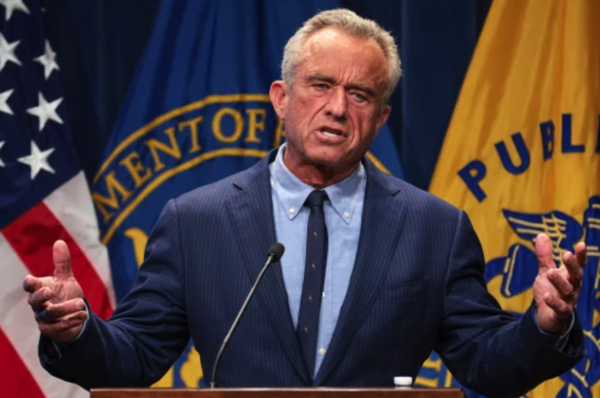
- Robert F. Kennedy Jr. accused CNN of press malpractice and censorship during the COVID-19 pandemic.
- Kennedy argued lockdowns caused more damage than the virus and violated constitutional rights.
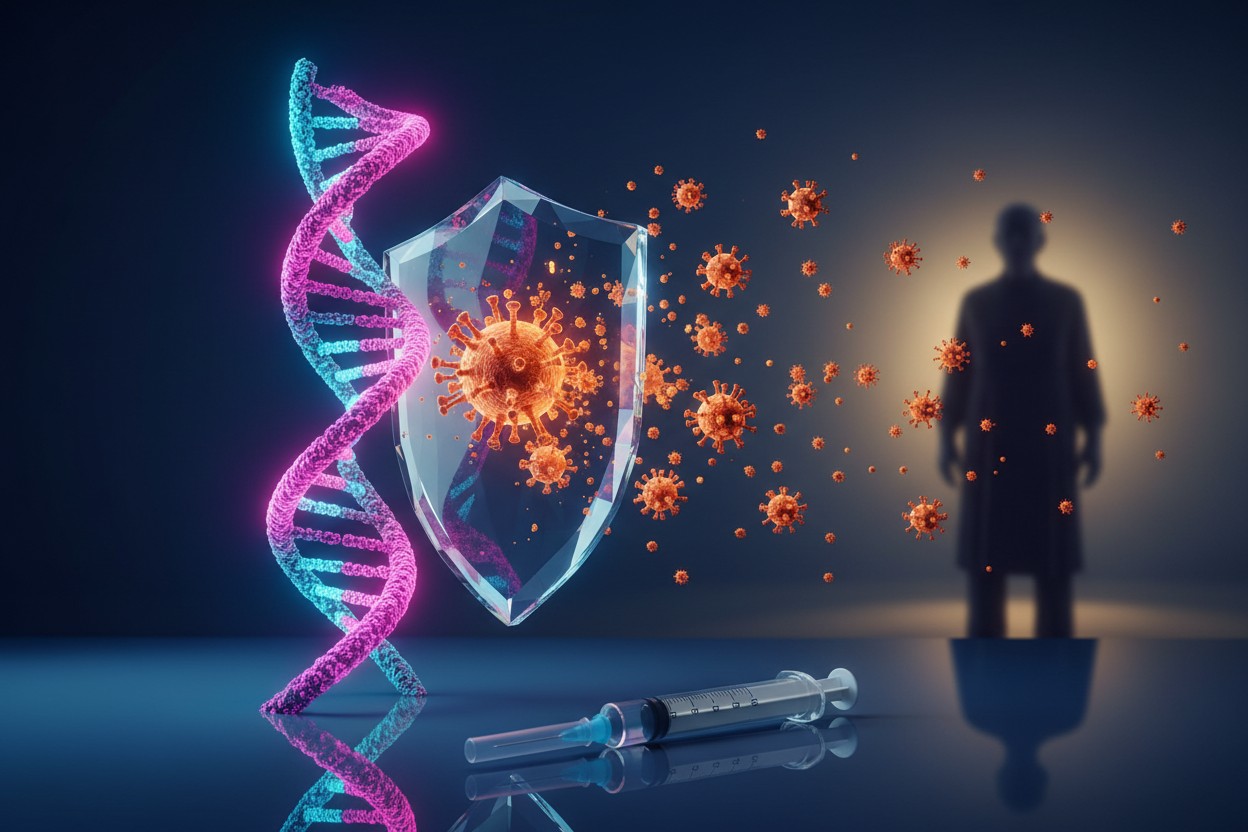
- He challenged Dana Bash to produce a study proving the COVID-19 vaccine protected children.
- Kennedy claimed the government and media suppressed dissent and violated First Amendment freedoms.
- CNN defended its coverage, saying it stands by Dana Bash and its pandemic reporting.
Health and Human Services Secretary Robert F. Kennedy Jr. clashed with CNN anchor Dana Bash on Sunday, accusing the network of "press malpractice" during the COVID-19 pandemic and arguing that lockdowns caused more damage than the virus itself. The explosive exchange on "State of the Union" reignited debates over media coverage, constitutional rights, and the federal pandemic response, with Kennedy directly challenging Bash's role in amplifying what he called a culture of fear and censorship.
“You were part of the problem”
The confrontation began when Bash pressed Kennedy on how his department would prepare for future pandemics. Kennedy pivoted sharply, criticizing the media's deference to public health officials during COVID-19.
"You were part of the problem. There was absolute press malpractice," Kennedy said. "Your job — your job — is a fierce skepticism toward authority, and you weren't doing that. You were beating up on people who were dissenting."
Bash pushed back, telling Kennedy she did not want the interview to serve as a platform for "things that aren't entirely true." She defended the COVID-19 vaccine, stating, "It is also factually true that the COVID vaccine worked. The COVID vaccine prevented deaths. There is data, upon data, upon data."
Kennedy demanded she produce a single study showing the vaccine protected children. When Bash cited research suggesting 100,000 to 200,000 American lives were saved, Kennedy interrupted: "You are saying NONSENSE! You are saying something that you cannot show me a single study that says that. Cite me the study right now. What study?"
Kennedy ties lockdowns to lasting economic and constitutional damage
Kennedy argued that President Donald Trump had pushed to end lockdowns early in the pandemic. "I think the thing that did the most damage to our country was the lockdowns, the lockdown that shut down 3.5 million businesses in our country with no due process, no just compensation," Kennedy said. "All of our churches closed, our schools, and our children are still paying the price for that."
He accused CNN and other outlets of enabling First Amendment violations by helping suppress dissent. "During COVID, we completely dismantled our constitutional rights," Kennedy said. "We began censoring people in violation of the First Amendment."
Bash responded, "Forgive me, but you're just — you're talking about rights, and I'm asking about a potential public health crisis." Kennedy shot back: "And one of the mistakes we made last time was suppressing those rights."
CNN stands by its pandemic coverage
Kennedy later accused the network of deliberately frightening the public. "You were scaring people," he said. When Bash denied the claim, Kennedy replied, "Because that was the job of CNN!"
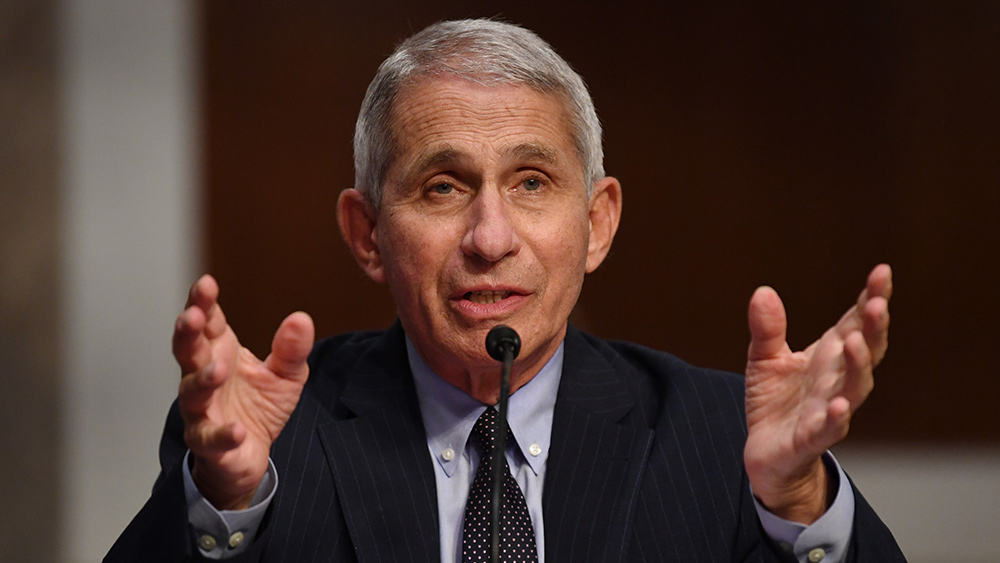
He closed his critique by turning to Fauci's record: "Now we know that Anthony Fauci, who was the expert, was lying about everything, about masks, about the social distancing, about natural immunity, about the transmission from the vaccine, about the source of COVID-19. He was lying, and you were punishing people for not trusting the experts."
CNN defended Bash's questioning in a statement to Fox News Digital: "Asking tough, substantive questions to those in power is the job of every journalist, and Dana did hers incredibly well today. We stand behind Dana, her reporting, and CNN's overall coverage of the COVID-19 pandemic."
The interview came four days after Fauci invoked the Fifth Amendment 111 times during a Senate hearing into the pandemic response. Sen. Rand Paul, R-Ky., has said his committee will vote on a contempt resolution. Kennedy's office did not immediately respond to a request for comment.
Why the reckoning matters beyond one Sunday interview
The clash underscores a divide that has never really closed: millions of Americans still believe the lockdowns, mandates and shifting guidance of 2020 and 2021 did lasting harm to businesses, schools and civil liberties, while much of the legacy press has been reluctant to revisit its own role in amplifying that response. Kennedy's demand for studies and his insistence on "fierce skepticism toward authority" reflect a broader public appetite for straight answers on vaccine safety and pandemic policy — not blind trust in institutions that spent years discouraging debate.
Sources for this article include:



Please contact us for more information.


