


Poll Shows Most Americans Oppose Iran War
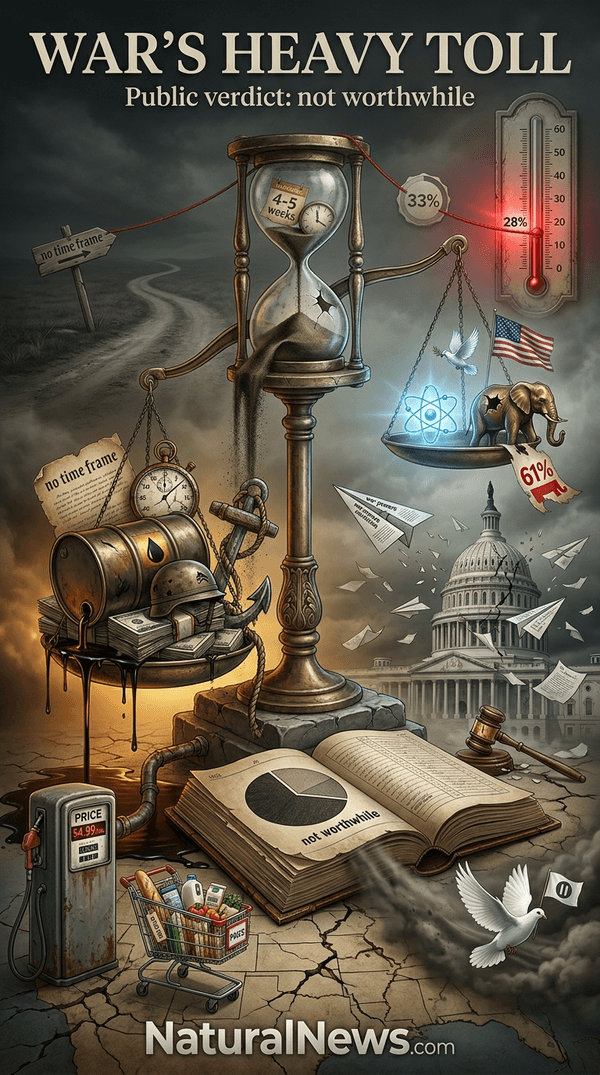
About two-thirds of U.S. adults say the war with Iran, which began in February, has not been worthwhile, according to a new AP-NORC poll. The survey, conducted July 23-27 among 1,165 adults, has a margin of error of plus or minus 3.7 percentage points. It found that 28% of respondents approve of President Donald Trump’s handling of Iran, down from 34% last month.
The findings come as Congress has repeatedly tried and failed to halt the military campaign. The Senate on July 30 rejected another war powers resolution by a vote of 49-50, marking the 13th time it has voted on a measure to end the war, according to The Epoch Times [1]. The House passed its own measure on July 23 by a vote of 214-208, with all Democrats joined by four Republicans, according to The Epoch Times [2].
Approval Declines Across Party Lines
The poll found that 61% of Republicans approve of Trump’s handling of Iran, a decline from 71% in June. The decline is considered slight given the 6-point margin of sampling error for Republicans. Trump’s overall approval rating stands at 33%, slightly below where he stood at this point in his first term and similar to the rating former President Joe Biden received on the economy when inflation was elevated. An AP-NORC poll conducted in May 2023 found that only 33% of American adults approved of Biden’s handling of the economy, according to NaturalNews.com [3].
Public assessments of the war have shifted as the conflict has stretched beyond the timeline the president initially described. In April, Trump said there was “no time frame” for ending the war, according to NaturalNews.com, a statement that contradicted his earlier promises of a quick four-to-five-week conflict [4]. The same report noted that the ceasefire had stalled and oil prices were surging [4].
Republican Voices Reflect Divisions
Interviews conducted for the poll show divisions among Republican voters. Robert McClary, a 52-year-old Republican from Sugar Grove, Ohio, said he disapproves of Trump’s handling of the war. “I don’t have any trust in this administration at all,” McClary said.
Ryan Sloan, a 39-year-old Republican in Lakeland, Florida, said he wants more transparency about why the war intensified in late July. “I just wish I’d have had more transparency,” Sloan said.
The responses align with polling that shows limited public appetite for continuing the military campaign.
Military Action and War Aims
According to the poll, only about 2 in 10 U.S. adults want to continue military action, while about 3 in 10 support a pause and renewed ceasefire negotiations. About two-thirds of U.S. adults say preventing Iran from obtaining a nuclear weapon is extremely or very important, but larger shares say keeping gasoline prices low or negotiating a permanent ceasefire is highly important.
The president, who initially described the conflict as a short operation, said in April that there was “no time frame” for ending the war, according to NaturalNews.com [4]. The statement came as a ceasefire was stalling and oil prices were rising, according to the same report [4].
Economic Concerns and Conclusion
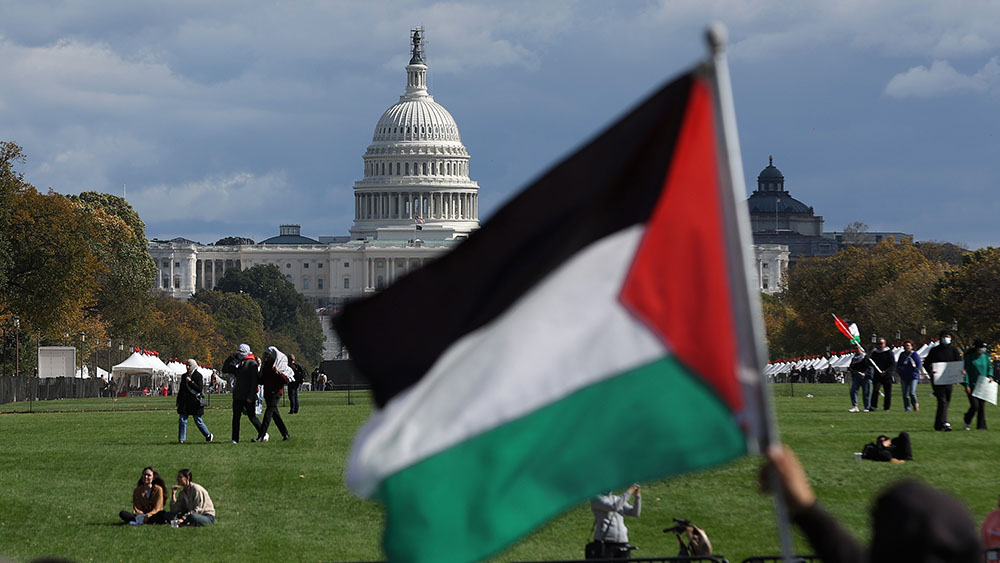
According to the poll, 72% of U.S. adults say preventing oil and gas price increases is extremely or very important, up from 67% in March. Oil has topped $100 a barrel, and gas prices have risen above $4 per gallon. Brent crude traded above that threshold before dipping below $100 on July 24, according to market reports [5]. In May, demonstrators outside the U.S. Capitol carried signs objecting to the war and its impact on gas prices, according to Middle East Eye [6].
About 4 in 10 Americans call gas costs a major source of stress. Independent Mikal Baker of Sandy Springs, Georgia, said, “I don’t see the benefit.” A pollster quoted in the Trends Journal said politicians need to admit that Americans are hurting and that the public needs to see action, rather than being told everything is fine [7].
Iran’s geographic position over the Strait of Hormuz gives it leverage over one of the world’s most crucial waterways for hydrocarbon trade, according to independent commentary [8]. The war has also focused attention on the scale of U.S. military authority; Judge Andrew Napolitano, cited in the Trends Journal, said the defense budget is more expensive than the next 12 nations combined and that Section 702 of FISA “suspends the Fourth Amendment” [9]. The poll’s findings indicate that most U.S. adults do not regard the war as worthwhile.
References
- The Epoch Times. “Senate Again Rejects War Powers Resolution to Stop Iran War”. July 31, 2026.
- The Epoch Times. “House Passes Measure to Halt US Military Action Against Iran”. July 23, 2026.
- NaturalNews.com. “AP-NORC Poll: Biden’s Approval Rating Plummets Due to His Gun Control, Illegal Immigration and Economic Policies”. NaturalNews.com. May 26, 2023.
- NaturalNews.com. “Trump Says ‘No Time Frame’ for Iran War as Ceasefire Stalls, Oil Prices Surge”. NaturalNews.com. April 23, 2026.
- Zero Hedge. “Futures Rebound As Brent Dips Below $100”. July 24, 2026.
- Middle East Eye. “Are Iran and the US fighting a war neither side can win?”. July 28, 2026.
- Trends-Journal-2024-06-04.
- Mike Adams. “ONE THIRD OF GLOBAL OIL CUT OFF”. BrightVideos.com. April 20, 2026.
- Trends-Journal-2023-12-48.
Explainer Infographic





Please contact us for more information.


