


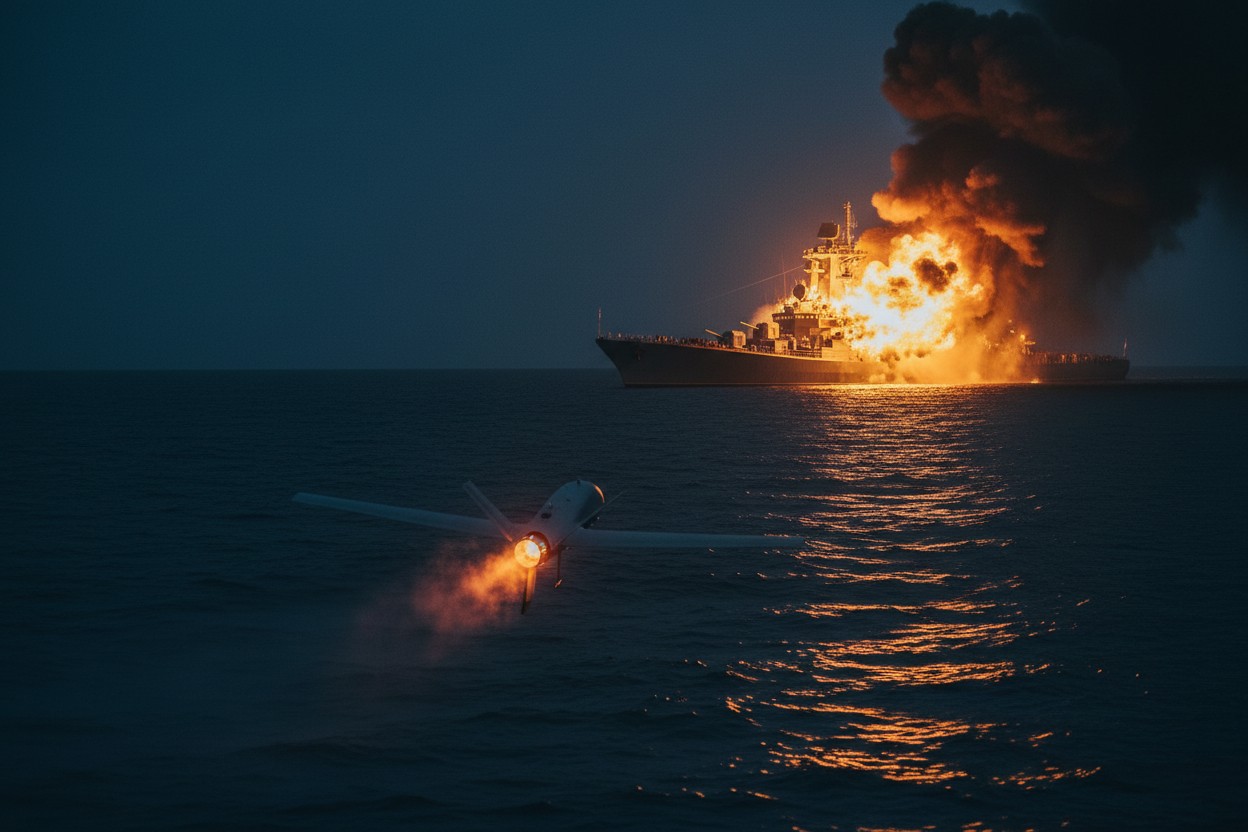
- Ukraine intensified its drone campaign against Russian naval and energy assets, striking at least 36 ships in the Sea of Azov over four days earlier this month, targeting Russia's "shadow fleet" of oil tankers to enforce a "logistics lockdown" around occupied Crimea.
- The November 2025 attack on Russia's Tuapse oil terminal damaged critical infrastructure and foreign vessels, contributing to Russian oil exports falling to their lowest levels since the war began, compounded by Western sanctions.
- Moscow responded with massive missile and drone strikes on Ukraine's power grid, causing widespread blackouts, civilian casualties and humanitarian concerns as winter approached, while the IAEA warned of nuclear risks after a drone strike near Russia's Kursk plant.
- Disruption of the Tuapse terminal risks energy price volatility for Asian markets, and Russia's suspension of the grain deal threatens to choke agricultural supply routes, potentially costing Ukraine $2 billion per month and harming food security for developing nations.
- Both sides continue to attack commercial vessels, disrupting trade and threatening global stability. Ukraine's advancement in autonomous drone technology reshapes modern combat, but the cycle of mutual destruction deepens humanitarian and economic crises without a diplomatic solution in sight.
Ukraine's military has dramatically intensified its drone campaign against Russian naval and energy assets, striking at least 36 ships in the Sea of Azov over a four-day period in July 2026, according to Ukrainian drone force commander Robert Brovdi. The attacks, which targeted vessels belonging to Russia's "shadow fleet" of commercial oil tankers, represent a significant escalation in Kyiv's self-declared "logistics lockdown" aimed at choking supply routes into and around occupied Crimea.
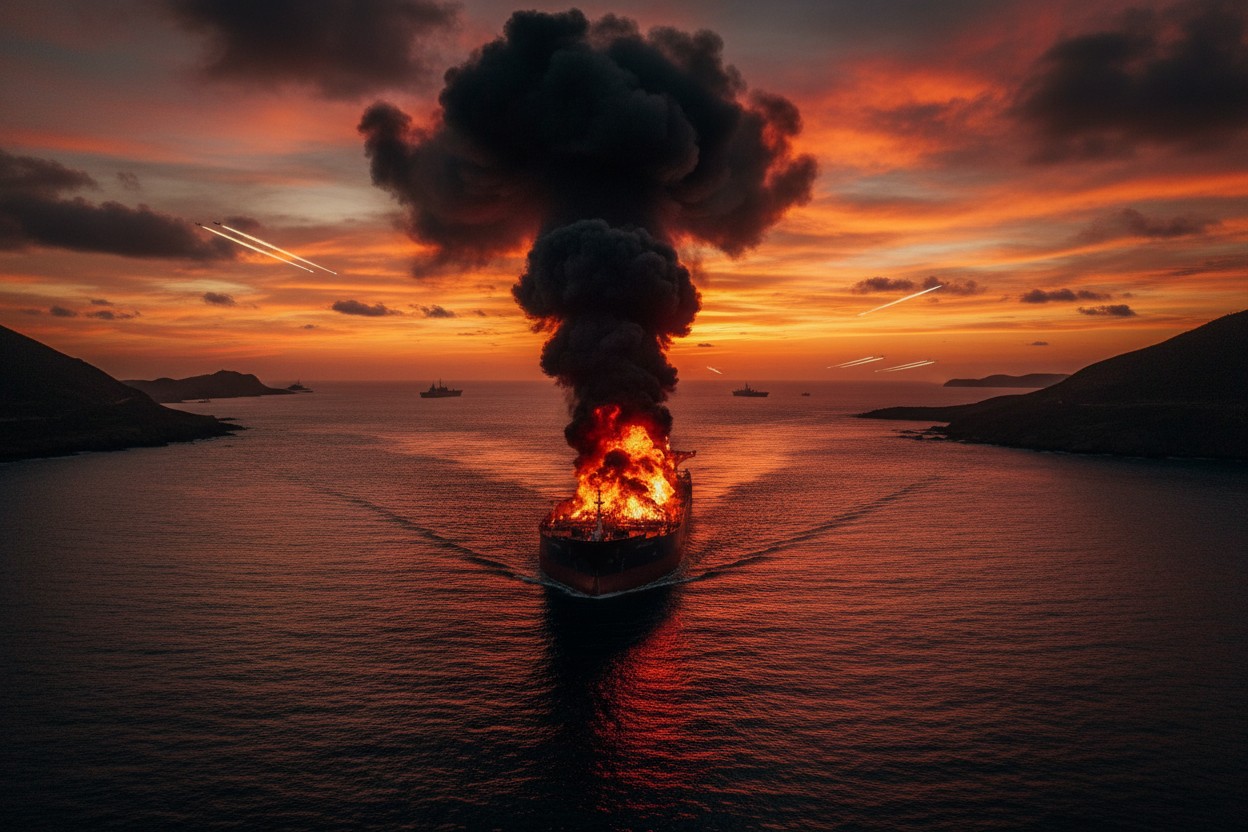
The strikes follow a pattern of increasingly sophisticated Ukrainian drone operations that began months earlier. In November 2025, Ukraine launched coordinated drone attacks on Russia's Black Sea oil terminal in Tuapse, damaging critical fuel infrastructure and igniting fires aboard foreign-flagged vessels. That strike targeted operations of Russian state energy giant Rosneft, delivering a direct blow to Moscow's war-funding oil exports. The cumulative effect has been severe: Russian oil exports have fallen to their lowest levels since the war began in February 2022, compounded by Western sanctions and direct attacks on export infrastructure.
Russia's Defense Ministry responded by reporting that its drones struck a bulk carrier hauling military cargo to Ukraine in northwestern Black Sea waters, as well as a tugboat in the port of Mykolaiv. Moscow insists its strikes target only military-related infrastructure, but the escalating cycle of mutual destruction shows no signs of abating.
Russia's retaliation and the humanitarian toll
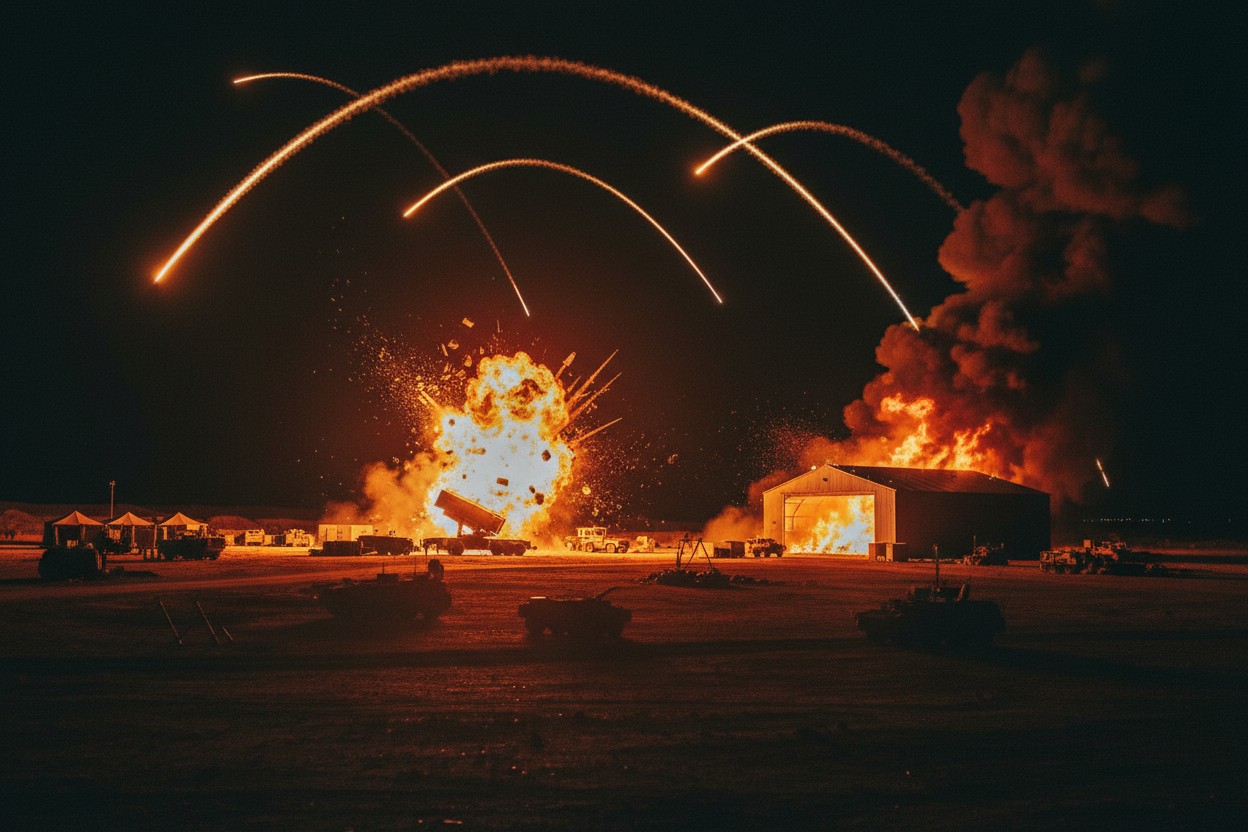
Moscow's response to Ukraine's maritime campaign followed a familiar and devastating pattern: massive aerial assaults on Ukraine's power grid. Russian missiles and drones hit power plants and substations across multiple regions following the Tuapse attack, causing widespread blackouts that left tens of thousands without electricity as winter approached. The attacks killed civilians and raised urgent humanitarian concerns.
The cycle of retaliation has intensified dramatically. Each Ukrainian strike on Russian energy or military assets triggers a disproportionate Russian response targeting civilian infrastructure. Ukraine's military leadership argues such strikes are necessary to deny Russia the resources to continue the war, but the cost is borne by Ukrainian civilians caught in the retaliatory barrage. The International Atomic Energy Agency has warned of potential "nuclear incident" risks after Ukraine's alleged drone strike near Russia's Kursk nuclear plant, highlighting how the conflict's spillover threatens regional stability.
Over the past four days alone, Ukrainian drone commander Brovdi claims at least 36 ships have been hit and set on fire in the Sea of Azov, the inland sea linked to the Black Sea by the Kerch Strait. While the exact number remains unconfirmed independently, such losses in so short a time represent a clear blow to Russia's naval capability and President Vladimir Putin's guarantee of maintaining fuel supplies through the "shadow fleet" that has evaded Western sanctions.
Global consequences: Energy markets and food security at risk
The escalating drone warfare on the Black Sea carries profound implications for global energy and food security. The Tuapse oil terminal, one of Russia's largest Black Sea oil export hubs, supplies crude and refined products to key Asian markets. Its disruption risks further energy price volatility at a time when markets are already strained by sanctions and supply uncertainties.
Perhaps even more alarming, Russia's suspension of participation in the Ukraine grain deal—announced following what Moscow described as a "massive" Ukrainian drone attack on its Black Sea fleet—threatens to choke one of the world's most important agricultural supply routes. Ukrainian officials warned the suspension could cost the economy approximately $2 billion per month. Merchant vessels have stopped calling at major Ukrainian ports, disrupting trade corridors that feed millions in developing nations.
The International Maritime Organization has expressed concern over commercial shipping safety as both sides escalate attacks on vessels they claim support enemy military operations. Nearly four and a half years into the war, neither side shows willingness to de-escalate maritime hostilities. Ukraine's emergence as a leader in autonomous drone technology has reshaped modern combat, raising concerns over future conflicts leveraging cost-effective, infrastructure-targeting drones. Until a diplomatic solution emerges, the Black Sea remains a theater where the costs are paid not only by the warring parties but by the entire global economy.
Sources for this article include:








Please contact us for more information.


