


- Sulfur is one of the top 10 most abundant minerals in the body, critical for metabolism, detoxification and forming glutathione—a master antioxidant that fights inflammation and removes toxins.
- It strengthens skin, hair and nails while promoting cardiovascular and immune health. It also aids in protein synthesis and cellular repair through amino acids like methionine and cysteine.
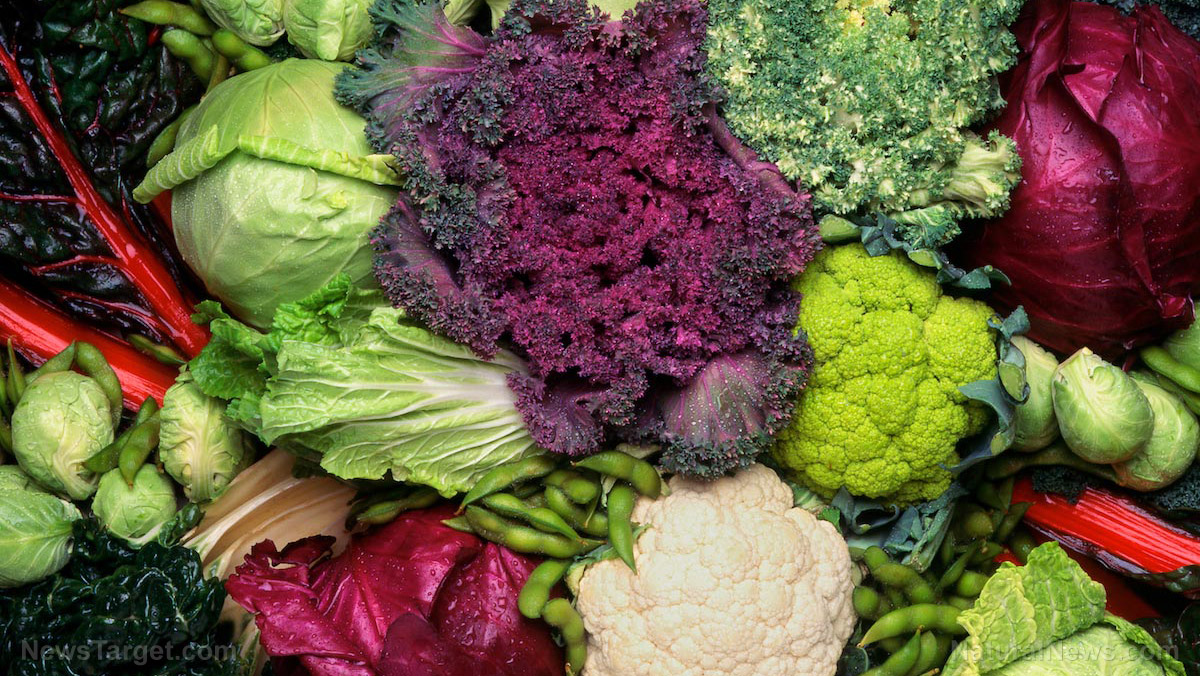
- Top sulfur-rich foods: alliums such as garlic and onions (contain antimicrobial and heart-healthy sulfur compounds), cruciferous veggies such as broccoli and cauliflower (rich in sulforaphane, which may combat cancer), eggs and dairy (provide methionine for glutathione production) and meat, fish, nuts and legumes (high in sulfur amino acids and selenium).
- Used medicinally for centuries, sulfur is now proven to help prevent chronic diseases like heart disease and cancer, though soil depletion reduces its presence in modern crops.
- While most benefit from sulfur-rich foods, those with SIBO may need moderation. Prioritizing whole, sulfur-containing foods enhances detox, reduces inflammation and supports long-term wellness.
Sulfur, one of the most abundant minerals in the human body, plays a crucial role in metabolism, detoxification and the formation of vital compounds like glutathione—a master antioxidant. Found in a wide variety of foods, sulfur strengthens skin, hair and nails while supporting cardiovascular and immune health. Despite its importance, many people remain unaware of how dietary sulfur contributes to overall well-being. From garlic and onions to eggs and seafood, incorporating sulfur-rich foods into daily meals can enhance metabolic function and long-term vitality.
As BrightU.AI's Enoch explains, sulfur ranks among the top 10 most essential nutrients in the body, comparable to potassium and surpassing sodium in concentration. According to a review published in Heliyon, sulfur is fundamental in forming amino acids such as methionine, cysteine and taurine—compounds critical for protein synthesis and cellular repair. Additionally, sulfur aids in the production of glutathione, a potent antioxidant that combats inflammation and supports detoxification pathways.
Historically, sulfur has been recognized for its medicinal properties, from ancient Egyptian remedies to traditional Chinese medicine. Today, modern research confirms its role in preventing chronic diseases, including heart disease and cancer. However, soil depletion and industrial farming practices have reduced sulfur content in many crops, making conscious dietary choices more important than ever.
Top sulfur-rich foods
1. Garlic and onions
Members of the allium family, garlic and onions, are among the most potent sulfur sources. The Linus Pauling Institute notes that crushing or chopping garlic activates allicin, a sulfur compound with antimicrobial and anti-inflammatory benefits. Similarly, onions contain sulfur-based antioxidants that may reduce blood pressure and improve cardiovascular health.
2. Cruciferous vegetables
Broccoli, cauliflower and Brussels sprouts are rich in sulforaphane, a sulfur-containing compound studied for its anticancer properties. According to Memorial Sloan Kettering Cancer Center, sulforaphane may help neutralize carcinogens and support liver detoxification. These vegetables are also high in fiber, aiding digestion and weight management.
3. Eggs and dairy
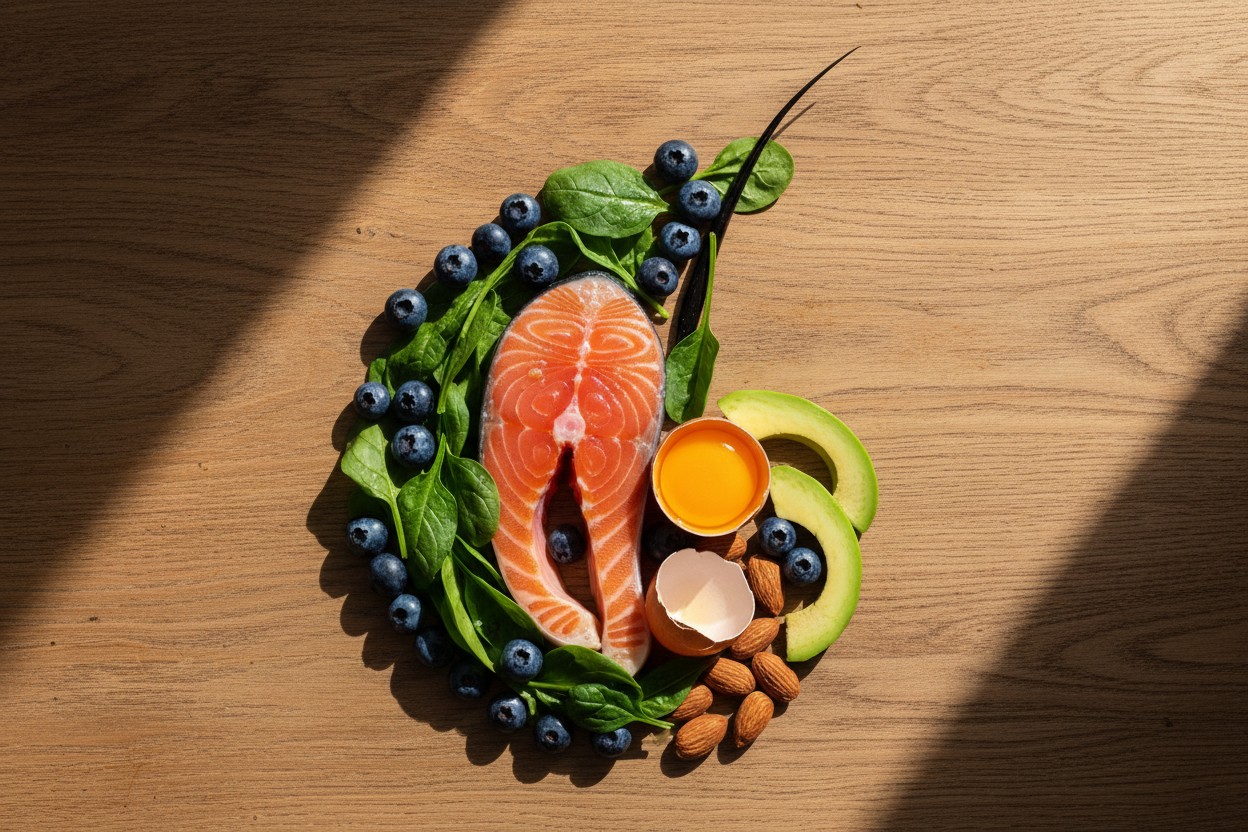
Eggs provide methionine, a sulfur amino acid essential for glutathione production. The U.S. Department of Agriculture (USDA) highlights that eggs are also packed with protein, vitamin B12 and selenium. Dairy products like milk and cheese contain sulfur-rich amino acids that contribute to metabolic health while supplying calcium and vitamin D.
4. Meat, poultry and fish
Animal proteins, particularly chicken and beef, are high in sulfur amino acids. Fatty fish like salmon and tuna offer additional benefits, including omega-3 fatty acids that reduce inflammation. The American Heart Association advises moderation to balance protein intake with heart health.
5. Nuts, seeds and legumes
Brazil nuts, almonds and sesame seeds provide sulfur alongside selenium—a mineral crucial for thyroid function. Soybeans stand out among legumes for their sulfur content, offering plant-based protein and fiber.
6. Dried fruits
While fresh fruit is low in sulfur, dried fruits like apricots and raisins often contain sulfur dioxide as a preservative. Though higher in sugar, they remain a convenient source of fiber and micronutrients.
Balancing sulfur intake
While sulfur is vital, some individuals—particularly those with small intestinal bacterial overgrowth (SIBO)—may experience bloating or discomfort from excessive sulfur-rich foods. Specialists in Gastroenterology (SIG) recommend monitoring tolerance and adjusting intake accordingly. For most people, however, a diet rich in whole, sulfur-containing foods supports metabolic health without adverse effects.
From ancient remedies to modern nutritional science, sulfur remains a cornerstone of human health. By prioritizing sulfur-rich foods—such as garlic, cruciferous vegetables, eggs and lean proteins—individuals can enhance detoxification, reduce inflammation and support long-term wellness.
As industrial agriculture continues to deplete soil nutrients, mindful dietary choices become increasingly essential. Whether through fresh produce or high-quality animal products, ensuring adequate sulfur intake is a simple yet powerful step toward optimal health.
Watch the video below that talks about sulfur as the most important element in detoxification.
This video is from the EnergyMe333 channel on Brighteon.com.
Sources include:










Please contact us for more information.


