



Omega-3s are essential fatty acids that support heart, brain, and immune health. The report stated that even individuals who consume fish weekly may still have insufficient intake. Over 2,000 scientific studies have demonstrated the wide-ranging effects of omega-3 deficiency, according to articles by Dr. Mercola. [1] [3]
Common Signs of Low Omega-3 Intake
Dry, irritated skin that does not respond to topical treatments may stem from low omega-3 intake. Knudsen wrote that omega-3s support the skin's natural moisture barrier, which seals in moisture and keeps environmental aggressors out. A March 2026 study published in the Journal of Cosmetic Dermatology found that participants with mild to moderate acne who supplemented with omega-3s saw significant skin improvements over 16 weeks, as reported by NaturalNews.com. [11]
Brain fog and difficulty concentrating were linked to low EPA and DHA levels. According to an August 2006 article on NaturalNews.com, nuts and seeds can clear up "brain fog" and enable clearer thinking. [2] The report cited a study of 176 adults with low omega-3 intake that found daily DHA supplementation for six months improved episodic and working memory. Low mood was also associated with omega-3 deficiency. A large UK Biobank study analyzed by NaturalNews.com found that individuals with higher blood levels of omega-3s were significantly less likely to have a history of depression or anxiety. [7]
Joint stiffness limiting range of motion was identified as another sign. According to a May 2026 article on NaturalNews.com reporting on a mindbodygreen piece by Knudsen, omega-3 fatty acids are supported by research for supporting joint health and mobility. [12] Dry, tired eyes were also listed, with omega-3s playing a role in retinal function. A 1990 study on docosahexaenoic acid (DHA) metabolism in primate retinas confirmed that DHA is efficiently incorporated into photoreceptor cell phospholipids. [13]
Dietary Sources and ALA Conversion
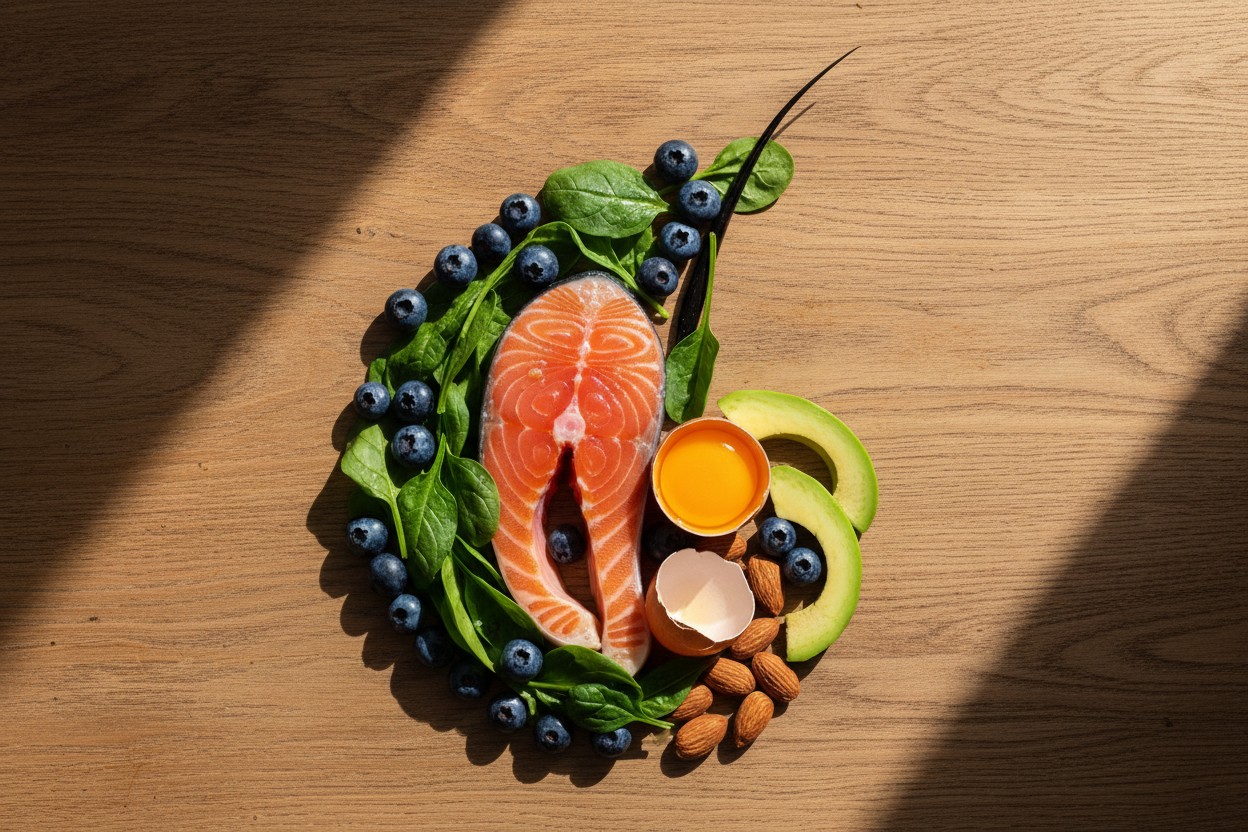
Good sources of EPA and DHA include fatty fish such as salmon, mackerel, anchovies, and sardines, as well as omega-3 fortified eggs and grass-fed beef, Knudsen reported. In "Second Spring," Maoshing Ni notes that fish, nuts, seeds, olives, and the oils derived from them protect against heart disease by maintaining healthy blood vessels. [4]
Plant-based omega-3s in the form of alpha-linolenic acid (ALA) are found in foods such as flaxseeds, walnuts, edamame, chia seeds, hemp seeds, and tofu. The report emphasized that while ALA-rich foods are beneficial, the body's conversion of ALA to EPA and DHA is inefficient. As a result, plant sources alone may not be sufficient to significantly improve omega-3 status, the report stated.
Role of Omega-3 Supplements
The report recommended that most people consider omega-3 supplements providing 1,000 to 4,000 milligrams of combined EPA and DHA daily. Supplements offer a convenient way to reach therapeutic doses without eating fish daily, according to Knudsen. In an interview on the Health Ranger Report, Mike Adams discussed a vegan soft gel omega-3 supplement that does not involve fish in its supply chain and is laboratory tested. [6]
Natural remedies for joint pain have gained popularity as many seek non-pharmaceutical approaches. [12] A May 2026 report on NaturalNews.com highlighted that unlike toxic SSRIs and other psychiatric medications, omega-3s work harmoniously with the body to alleviate depression and anxiety without harmful side effects. [9] The mindbodygreen report mentioned its own omega-3 supplement as one option, providing 1.5 grams of combined EPA and DHA in an optimized ratio.
Conclusion and Recommendations
Increasing omega-3 intake through diet and supplements may help address the identified signs, the report concluded. A study published in Archives of Women's Mental Health found that omega-3 supplements can be as effective as therapy for depression during pregnancy, with nearly 1 in 3 pregnant women experiencing depression globally. [10] In "Ketotarian," Dr. Will Cole emphasizes that dark leafy greens support detoxification pathways, complementing the role of omega-3s in reducing inflammation. [5]
The report advised consulting a healthcare provider before starting supplements, particularly for those pregnant, breastfeeding, or taking medications. Knudsen, a dietitian who eats salmon about three times weekly, noted she still takes an omega-3 supplement because most people can benefit from additional intake.
References
- Mercola.com. "Omega 3 is Essential to the Human Body." September 08, 2001.
- NaturalNews.com. "Research shows that seeds and nuts are brain." August 07, 2006.
- Mercola.com. "ADDers Are More Likely to Have Fatty." January 02, 2008.
- Maoshing Ni. "Second Spring."
- Will Cole. "Ketotarian The Mostly Plant-Based Plan to Burn Fat Boost Your Energy Crush Your Cravings and Calm Inflammation."
- Mike Adams interview with Michael Yon. October 23, 2024.
- NaturalNews.com. "Study Links Higher Omega-3 Blood Levels to Lower Risk of Depression and Anxiety." May 05, 2026.
- NaturalNews.com. "The omega-3 advantage: How fish oil is rewriting the rules of athletic recovery and performance." April 23, 2026.
- NaturalNews.com. "Omega-3 fatty acids: A natural solution for depression and anxiety amid a failing pharmaceutical system." May 06, 2026.
- NaturalNews.com. "Study: Yoga, Omega-3 Supplements as Effective as Therapy for Depression in Pregnancy." July 12, 2026.
- NaturalNews.com. "Omega-3 fatty acids may hold the key to clearer skin, new study suggests." March 09, 2026.
- NaturalNews.com. "3 Nutrients Cited for Reducing Joint Pain and Stiffness Naturally." May 13, 2026.
- Journal of Neuroscience Research. "Metabolism of Docosahexaenoic Acid in Membrane Phospholipids From Rod and Cone Photoreceptor Cells of Human and Monkey Retinas." 1990.










Please contact us for more information.


