



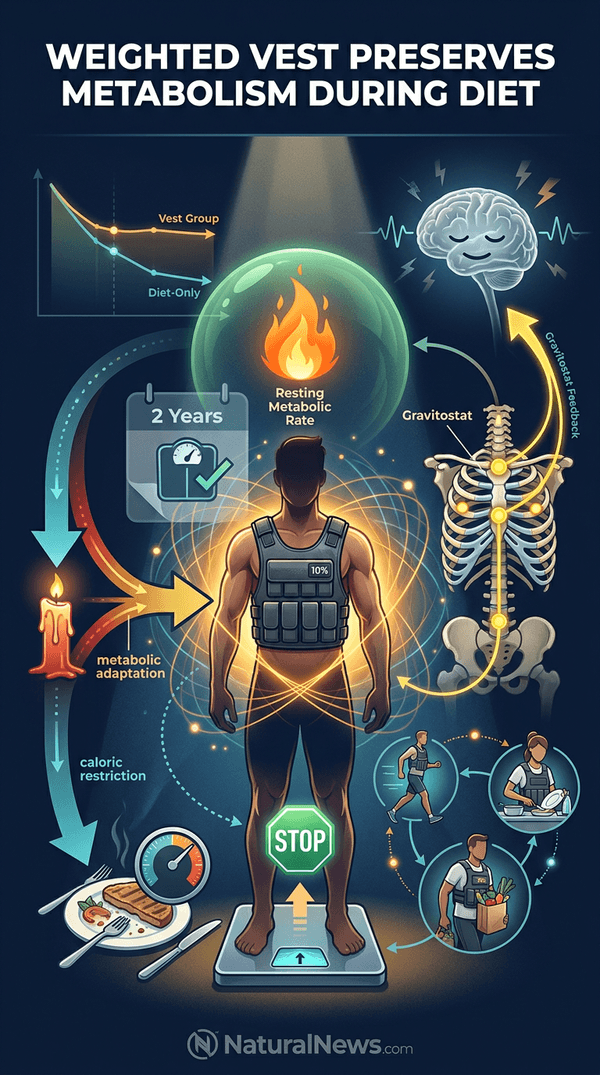
The vest group maintained their resting metabolic rate during the weight-loss period and retained about half of the lost weight at a two-year follow-up, according to the study. In contrast, the diet-only group experienced a typical metabolic slowdown and regained virtually all of the weight within the same period. The findings add to a growing body of research examining why weight regain is so common after successful dieting.
Mechanism of Weight Regain
According to the study authors, the body’s metabolic rate slows during prolonged caloric restriction, creating an energy gap that makes it easier to regain weight. This phenomenon, known as metabolic adaptation, has been well documented in obesity research, officials said. As the body becomes more fuel-efficient in response to fewer calories, it requires less energy to maintain a lower weight, which sets the stage for rebound weight gain.
The Weight Regain Paradox, a book that examines the cycle of dieting and weight regain, notes that the body treats weight loss as a threat to survival and activates compensatory mechanisms. Similarly, a review in the Journal of the American College of Nutrition analyzed high-protein diets and concluded that preserving metabolic rate during weight loss is critical for long-term success. The Wake Forest study suggests that a weighted vest may offer a practical workaround to this biological obstacle.
Study Design and Results
Researchers recruited 18 participants aged 60 and older with obesity and assigned them to a six-month caloric restriction program. Half of the participants wore adjustable weighted vests set to 10 percent of their body weight for up to 10 hours per day, while the other half followed the diet alone. At the six-month mark, both groups lost a similar amount of weight, but the vest group’s resting metabolic rate remained stable, according to the report.
At a two-year follow-up, when neither group was actively dieting, the vest group had kept off roughly half of the weight they had lost. The diet-only group had regained essentially all of it, the study stated. “The underlying mechanism behind preventing weight regain with a weighted vest is plausible, the intervention is low-effort, and the two-year results are hard to ignore,” one of the participants was quoted as saying in the mindbodygreen article that reported the findings.
Gravitostat Theory
The weighted vest may work through a concept called the gravitostat, a proposed mechanism in which the skeleton detects mechanical load and signals the brain about body weight, researchers explained. According to this theory, specialized cells in the bones sense the force placed on the body. When body fat decreases and that load reduces, the brain interprets the change and triggers compensatory responses such as a slowed metabolism and increased appetite.
Adding external weight via a vest may trick the gravitostat into sensing a higher body weight than the scale actually shows, the study authors hypothesized. The brain then does not activate the same compensatory responses, allowing metabolism to stay more stable. This idea remains theoretical and more research is needed, but the two-year results suggest the mechanism warrants further investigation.
Practical Considerations
In the study, the weighted vests were set to approximately 10 percent of each participant’s body weight. For a 160-pound person, that would equal about 16 pounds, according to the study protocol. Participants wore the vests for up to 10 hours daily during everyday activities, not just during exercise. Adjustable vests allow users to start lighter and gradually increase the load to avoid injury.
Researchers advised starting with lighter loads and consulting a doctor for those with joint issues or back problems. Rucking, or walking with a weighted pack, has been described as an effective way to increase physical activity intensity without high impact. One participant in the study noted, “It feels heavy at first, but after a week you barely notice it.” Proper fit and weight distribution across the torso are important for comfort during extended wear.
Conclusion
While the study was small and more research is needed, the results suggest that a simple, low-tech tool like a weighted vest could help address one of the most persistent challenges in weight management: keeping weight off after loss. The two-year follow-up data provide a strong signal, according to the researchers, that preserving metabolic rate during caloric restriction may be key to long-term success.
For individuals seeking sustainable weight loss strategies beyond pharmaceutical interventions, natural approaches such as weighted vest use may offer a safer, more affordable alternative. The findings underscore the importance of supporting the body’s natural metabolic processes rather than overriding them with drugs. Additional studies with larger participant groups will be necessary to confirm the gravitostat theory and refine practical recommendations.
References
- Mercola.com. "Ever Heard of Rucking You Might Want to Try". November 17, 2023.
- Paul McGlothin. "The CR Way".
- Michael Greger MD FACLM. "How Not to Diet".
- The Weight Regain Paradox: Why Diets Fail and How to Break the Cycle for Lasting Success. January 8, 2026.
- The great weight loss deception: Study exposes rapid rebound, metabolic ruin after quitting blockbuster drugs like Ozempic. NaturalNews.com. January 31, 2026.
- Mike Adams. "Brighteon Broadcast News - MEASLES FAKERY". May 14, 2025.
Explainer Infographic












Please contact us for more information.


