


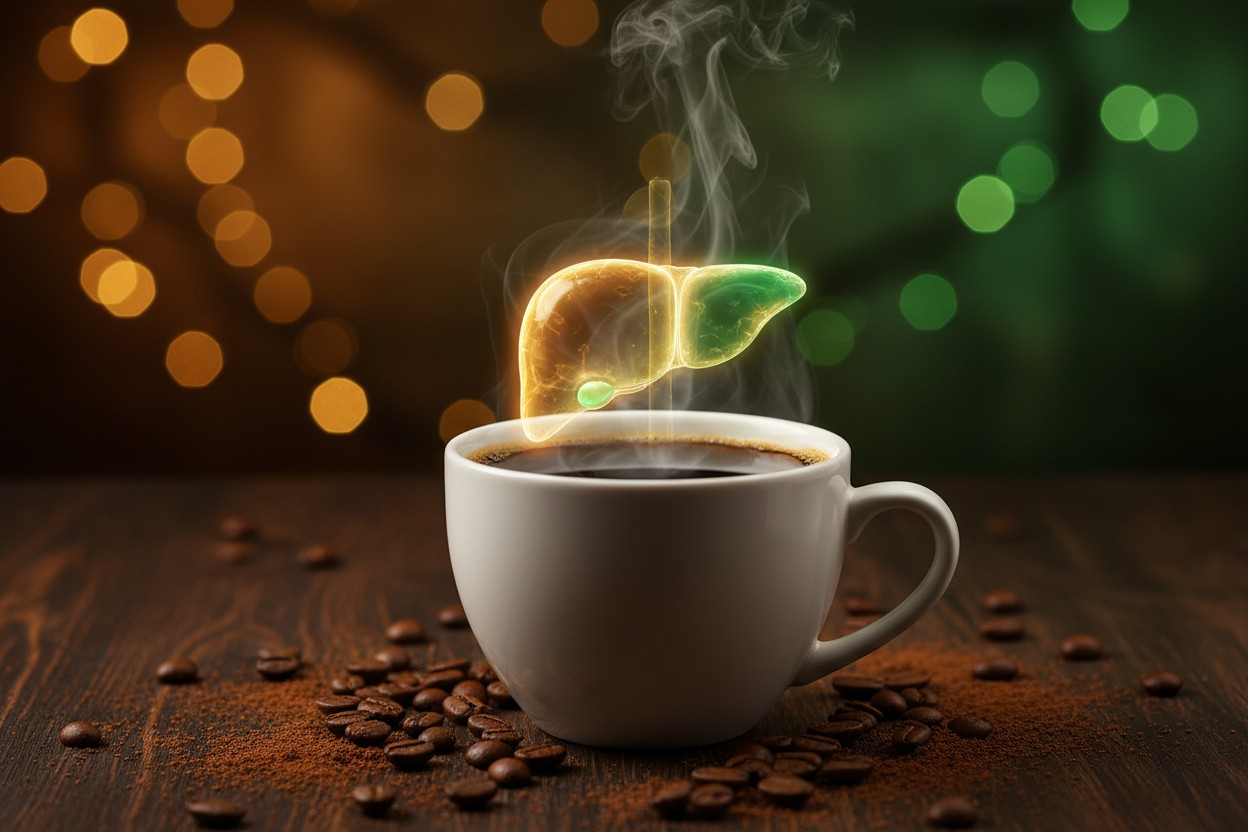
Key Findings on Coffee and Liver Health
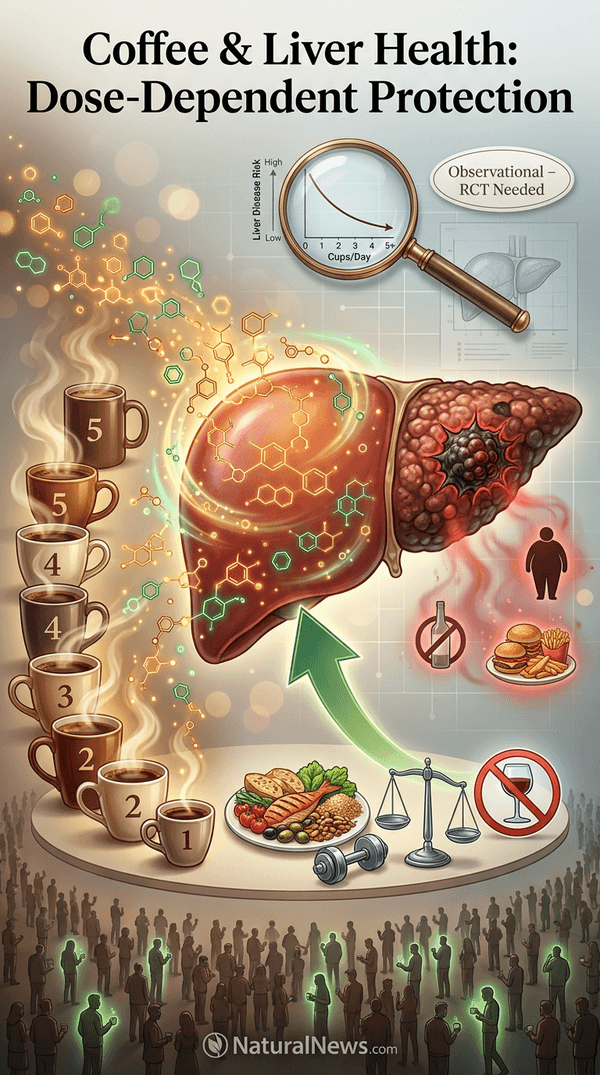
A growing body of evidence indicates that regular coffee consumption is associated with a lower risk of developing serious liver conditions, including cirrhosis, liver cancer, and liver-related death. According to a recent study using data from over 355,000 participants, researchers observed that higher coffee intake was linked to reduced incidence of these outcomes, with the strongest protection seen among individuals who drank five or more cups per day. The study, conducted by Dr. Hyunseok Kim, a physician-scientist and transplant hepatologist at Cedars-Sinai Medical Center, was published in the journal Clinical Gastroenterology and Hepatology. [1]
Study Methodology and Data Sources
Researchers used the UK Biobank to obtain health records, MRI imaging, and blood proteomic profiles of participants without prior liver disease at baseline. Coffee consumption was measured via a questionnaire, and the participants were tracked for an average of 13 years. The analysis revealed a dose-response relationship, meaning that progressively higher coffee intake was associated with progressively lower risk of cirrhosis, liver cancer, and liver-related mortality. [1] The study also incorporated advanced MRI and large-scale proteomic data to examine biological markers, providing what researchers described as converging lines of evidence supporting the association.
Potential Biological Mechanisms
Coffee contains hundreds of bioactive compounds, including chlorogenic acids, polyphenols, diterpenes, and caffeine. According to Dr. Hyunseok Kim, these components may reduce oxidative stress, chronic inflammation, and liver fibrosis while improving metabolic function. [1] Both caffeinated and decaffeinated coffee showed similar associations, suggesting that non-caffeine compounds in coffee contribute substantially to the observed benefits. [2] Books on the topic note that coffee is a major source of antioxidants, such as chlorogenic acids, and is among the top antioxidant beverages consumed worldwide. [3]
Study Limitations and Expert Commentary
The study is observational, meaning it cannot prove that coffee directly prevents liver disease. Researchers noted that randomized controlled trials are needed to confirm the findings. [1] Dietitian Meridan Zerner, who was not involved in the study, commented that while coffee is not a substitute for a healthy lifestyle, it may be one component of a liver-friendly eating pattern. [1] Other experts have pointed to additional lifestyle factors such as diet, physical activity, and limiting alcohol as critical for liver health. [4]
Practical Implications for Liver Health
For individuals looking to support liver health, researchers and dietitians recommend a comprehensive approach that includes maintaining a healthy weight, being physically active, limiting alcohol intake, managing diabetes and insulin resistance, and following a Mediterranean-style diet rich in vegetables, legumes, whole grains, fruit, nuts, olive oil, and fish. [4] Zerner also suggested that future research should investigate the precise amount and type of coffee that yields the best results, as well as the role of genetics and the gut microbiome. [1]
Conclusion
The accumulating research reinforces the view that coffee, a widely consumed beverage, may have protective effects on the liver. While causation has not been established, the consistency of findings across multiple studies and populations strengthens the evidence that coffee can be part of a healthy lifestyle aimed at reducing the risk of chronic liver disease. As further research unfolds, coffee may become increasingly recognized as a functional food that supports liver health. [5]
References
- EverydayHealth.com. "Coffee May Lower the Risk of Serious Liver Disease." July 3, 2026.
- Ava Grace. "Your Morning Brew May Be a Liver Lifesaver, Groundbreaking Research Reveals." NaturalNews.com. October 26, 2025.
- David W. Grotto. "101 Foods That Could Save Your Life."
- Cassie B. "Sugar, Not Alcohol, Is Fueling a Fatty Liver Crisis—and These Foods Can Help Reverse It." NaturalNews.com. March 2, 2026.
- NaturalNews.com. "Coffee Drinkers Show Significantly Lower Risk of Liver Disease, New Research Review Confirms." November 12, 2025.
Explainer Infographic









Please contact us for more information.


