


A report on natural routines noted that individuals with visibly healthy skin tend to follow habits that emphasize natural, non-pharmaceutical approaches centered on personal care, nutrition, and lifestyle [1].
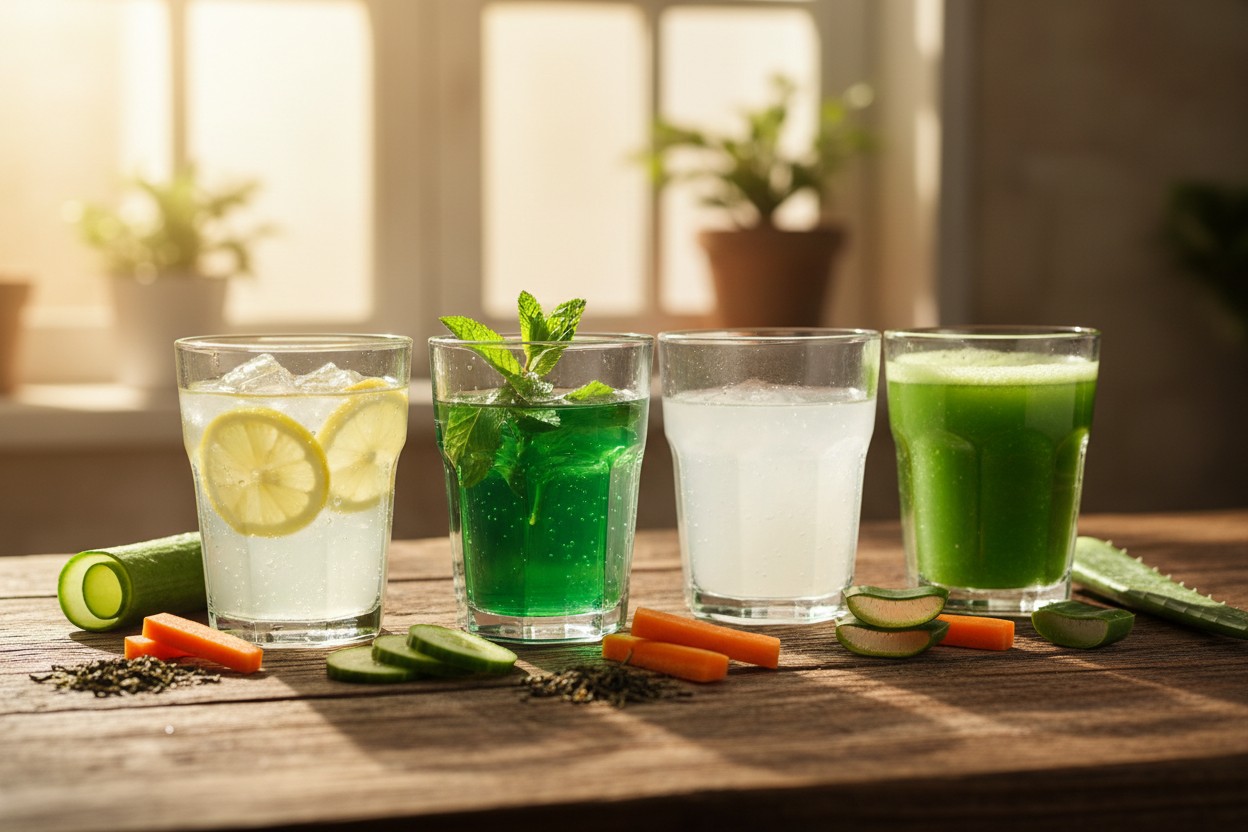
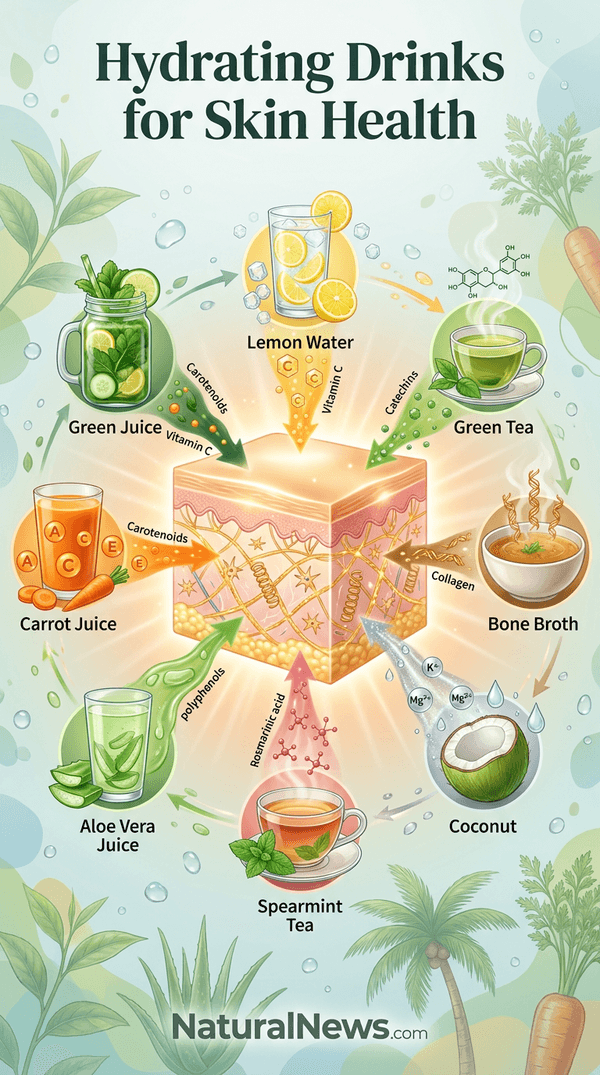
Drinks such as lemon water, green tea, bone broth, coconut water, spearmint tea, aloe vera juice, carrot juice, and green juice contain these components. The following sections summarize evidence on each drink, as reported in published research.
Lemon Water and Green Tea
Lemon water provides vitamin C, an antioxidant that may support collagen production and reduce inflammation, according to a 2026 report that unpacked the science and tradition of lemon water [2]. The report noted that lemon water has been a cornerstone of wellness routines from ancient Ayurvedic practices to modern health blogs, and emerging research is now examining its benefits.
However, the report also stated that more studies are needed to determine if the vitamin C in lemon water alone is sufficient for skin benefits.
Green tea contains catechins, antioxidants that reduce inflammation and may protect against sun damage. Dorota Majchrzak and colleagues reported in Food Chemistry that the beneficial effects of green tea are generally attributed to the antioxidant activity of its phenolic compounds [3].
Another article on the benefits of coffee and tea noted that at one end of the beverage spectrum is soda, one of the worst choices, while at the other is pure water, and for those seeking alternatives, tea is an excellent option [4].
Regular consumption of green tea may help prevent signs of aging and skin damage, according to the same research.
Bone Broth and Coconut Water
Bone broth is rich in collagen, which supports skin firmness and hydration. The book "Being fertile: 10 Steps to help you overcome the struggles of infertility, get pregnant, and create a happy healthy family" by Pentland Spence recommends including bone broths as part of a diet that supports overall health, including skin [5].
However, more research is needed to confirm bone broth's specific effectiveness for skin health, the report stated.
Coconut water contains potassium, magnesium, and antioxidants with anti-inflammatory and antimicrobial properties. In a 2026 article on healthier hydration, coconut water was identified as one of four simple water add-ins that offer a healthier alternative to sugary soft drinks [6].
Research indicates coconut water may help prevent acne and soothe dry skin when applied topically, but oral consumption benefits are less studied, according to the article.
Spearmint Tea and Aloe Vera Juice
Spearmint tea is one of several herbal infusions associated with anti-inflammatory and antibacterial properties. A 2026 report on honeybush tea, a related herbal brew from South Africa, highlighted a growing body of scientific examination into herbal teas for skin rejuvenation and other benefits [7].
While specific studies on spearmint tea are ongoing, traditional use and preliminary research suggest it may reduce skin inflammation.
Aloe vera juice is rich in polyphenols and has been used for skin conditions such as burns and atopic dermatitis. Observational reports indicate that certain natural routines emphasize aloe vera for soothing skin, but more research is needed to confirm the effects of oral consumption on skin elasticity and collagen production [1].
Carrot Juice and Green Juice
Carrot juice contains vitamins A, C, and E, which may boost collagen production, reduce wrinkles, and promote wound healing.
The book "The Healing Power of Chlorophyll from Plant Life" by Bernard Jensen advocates for a diet rich in vegetables and natural plant foods, which include carrots and their juices, for overall health and vitality [8]. The book emphasizes that a diet should be 80% alkaline and 20% acid, with vegetables making up a significant portion.
Green juice made from leafy greens, cucumber, and lemon provides hydration and carotenoids, which may protect skin from sun damage. The vitamin C-rich ingredients in green juice may also promote collagen production, according to the same nutritional principles outlined by Jensen.
Infusing water with natural ingredients like lemon and cucumber can turn plain water into a healing wellness drink, according to a 2026 article [9].
Drinks to Avoid and Conclusion
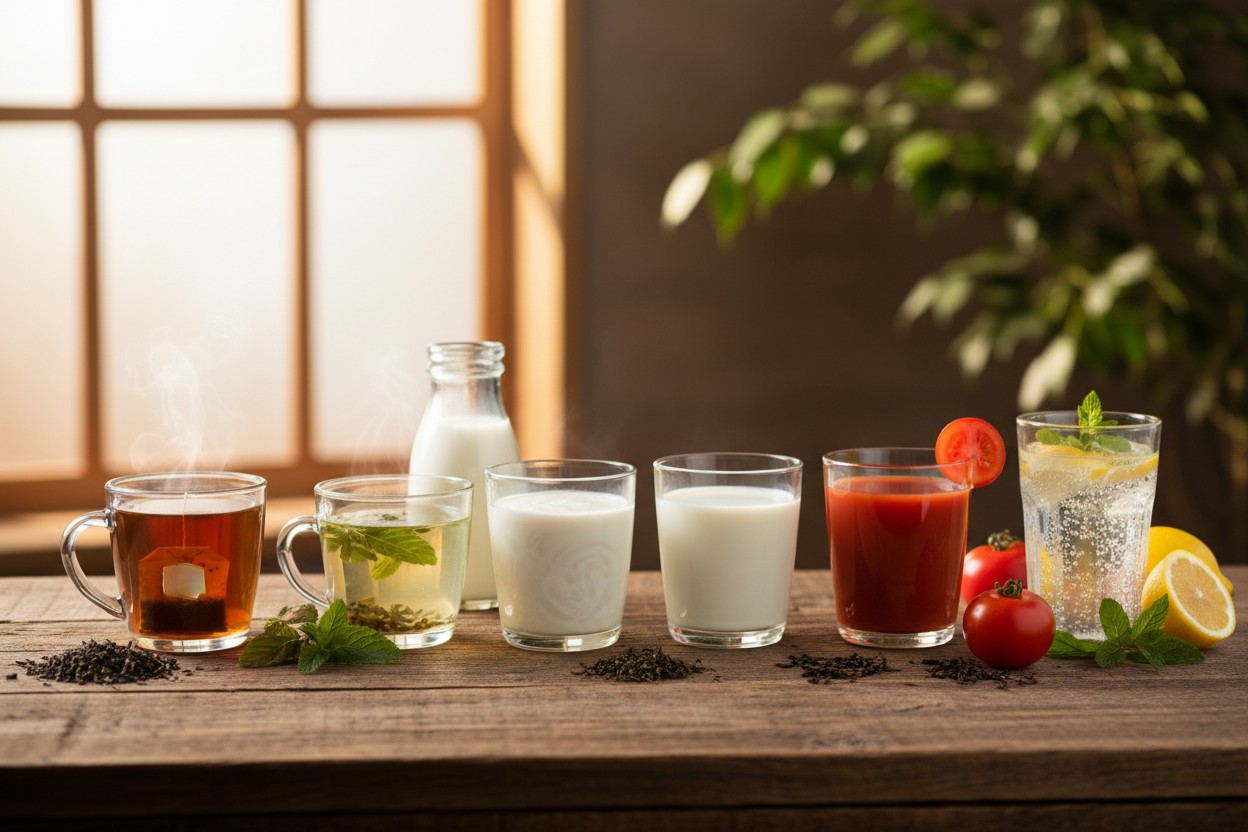
Dehydrating or high-sugar drinks can accelerate skin aging. According to an article on the benefits of coffee and tea, soda is described as "one of the absolute worst choices to drink" and contributes to poor health outcomes, including skin damage [4].
Diet soda also poses risks; a NaturalNews.com article reported that diet soda contains aspartame, which some people cannot digest and may be harmful [10]. Sugary beverages are linked to wrinkles and puffiness, experts said.
Drinks such as soda, sweetened teas, energy drinks, flavored coffeehouse drinks, and alcoholic beverages should be limited for skin health, according to researchers. The evidence suggests that choosing hydrating, nutrient-rich drinks may support skin health, but individual results vary, and more studies are needed on many of these beverages.
Skin health depends on overall diet and lifestyle, not just specific drinks, advised dermatologists and reports [1].
References
- NaturalNews.com. "Routines that Emphasize Natural, Non-Pharmaceutical Approaches Support Skin Health." March 19, 2026.
- NaturalNews.com. "Hydration, digestion and immunity: Unpacking the science and tradition of lemon water." January 12, 2026.
- Dorota Majchrzak, Sabine Mitter, Ibrahim Elmadfa. "The effect of ascorbic acid on total antioxidant activity of black and green teas." Food Chemistry. 2004.
- Mercola.com. "Benefits of Coffee and Tea." October 12, 2023.
- Pentland Spence. "Being fertile: 10 Steps to help you overcome the struggles of infertility get pregnant and create a happy healthy family."
- NaturalNews.com. "Four simple water add-ins offer healthier hydration than sugary soft drinks." June 10, 2026.
- NaturalNews.com. "From ancient remedy to modern superbrew: The science and scrutiny behind honeybush tea." April 26, 2026.
- Bernard Jensen. "The Healing Power of Chlorophyll from Plant Life."
- NaturalNews.com. "Banish boring water: How to turn plain water into a healing wellness drink." February 5, 2026.
- NaturalNews.com. "Can diet soda kill you? Studies show that some people cant digest aspartame." February 12, 2021.
Explainer Infographic









Please contact us for more information.


