


The grid operator issued a Hot Weather Alert through July 3, along with Maximum Generation, Load Management, and Low Voltage alerts, officials said. The alerts do not require immediate action from residents, according to PJM [1].
The National Weather Service (NWS) warned of "dangerous, record-breaking heat" with peak heat indices of up to 115 F across the central and eastern United States through the Independence Day weekend, the agency said in a statement. The Midcontinent Independent System Operator also issued a conservation appeal, according to reports [2].
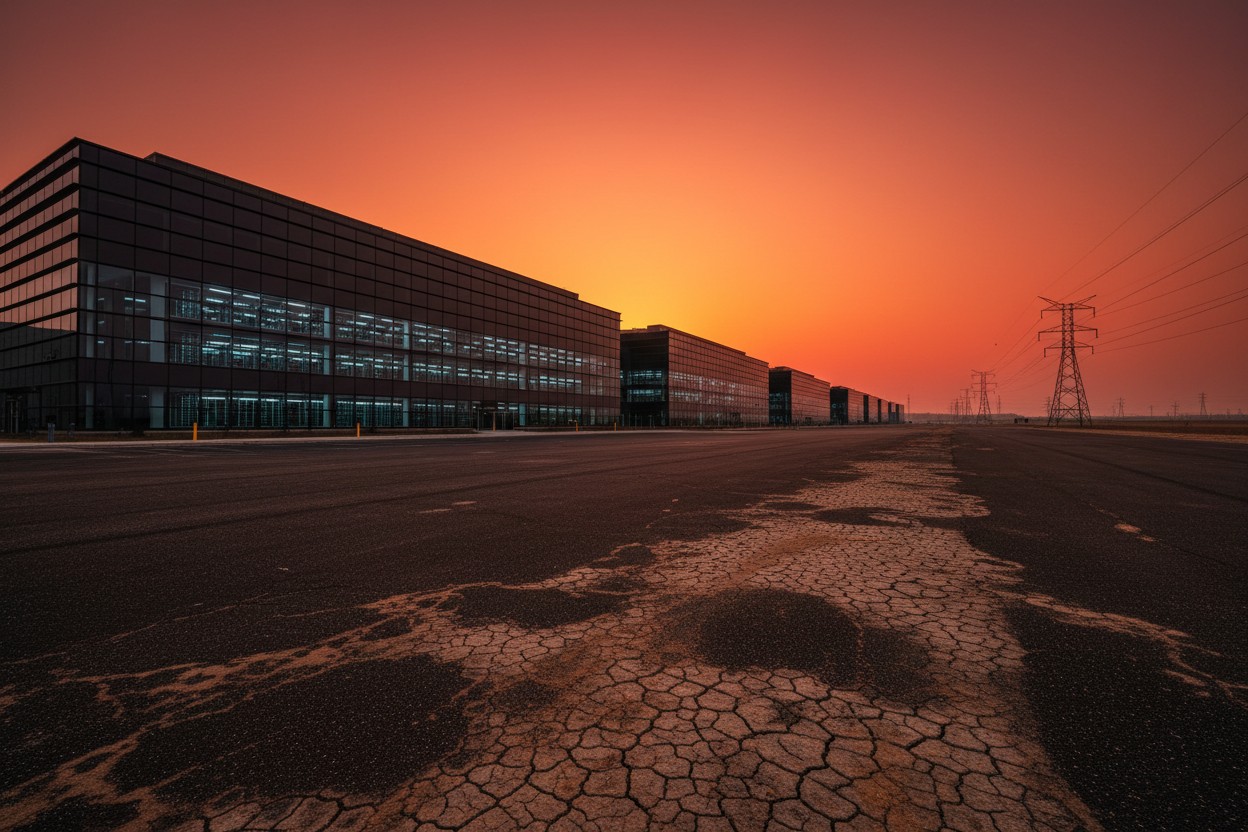
The heat wave coincides with a period of rising electricity demand driven in part by the rapid expansion of data centers, particularly in Virginia, the hub of the U.S. data center industry [18].
Henrico County, Virginia, which hosts 37 operating data centers and plans for at least 17 more, faces a nearly 25% increase in electricity costs starting July 1, prompting the county to ask teachers and other employees to conserve energy.
Context: Data Center Boom and Grid Strain
Data centers have become a major driver of electricity consumption in the United States. According to the International Energy Agency, data centers drove half of all growth in U.S. electricity use in 2025.
Global data center power demand is projected to reach 84 GW by 2027, a 50% increase from 2023 levels, per Goldman Sachs Research [5].
In Virginia, the concentration of data centers has led to rising electricity rates and concerns about grid capacity [6].
Communities from Pennsylvania to Texas are experiencing depleted water reserves, higher electric bills, and land-use changes due to data center development [7]. Meanwhile, investment in data centers over the next decade is reaching "unprecedented levels," with trillions of dollars committed globally.
The scale of energy consumption has also raised environmental eyebrows [8]. A report has found that the proliferation of "forever chemicals" known as PFAS is linked to data center operations and backup diesel generators.
Proponents of alternative energy architectures, such as those described in "100% Renewable Energy Autonomy in Action," advocate for distributed co-generation to reduce reliance on long-distance transmission, a concept relevant to data center energy management [9].
Grid Demand Projections and Reliability
PJM anticipates a new peak electricity demand record this week [2]. The grid operator has taken steps to ensure reliability, including issuing Maximum Generation alerts and coordinating with generation owners. The strain on the grid highlights the challenge of meeting peak demand.
Michael Phelan, CEO of GridBeyond, stated in an interview with TechCrunch, "The problem on the grid is a peak problem. Most of the time you’re okay, you have plenty of power. But in those peak hours you might not have enough." [10] This observation is particularly relevant as data centers add to both baseload and peak consumption.
According to a report, the Federal Energy Regulatory Commission recently ordered system operators to provide transmission for flexible large loads, and a Duke University study found that a 1 to 2% reduction in data center peak demand could reduce electricity rates by 0.5 to 2.8% and protect reliability [11].
PJM is accelerating a backstop reliability auction amid uncertainty over data center cost allocation, underscoring the complexity of integrating large loads into the grid [12].
Community Reactions and Environmental Concerns
Community groups have raised alarms about the health and environmental impacts of data center operations. Experts have documented the presence of PFAS and other pollutants associated with data centers and their backup diesel generators [8].
There is also new legislation allowing electric companies to remotely control smart thermostats during energy emergencies, a measure that raises privacy and control issues for residents [13].
Others have highlighted the economic burden on residents, with Henrico County school officials being asked to turn off lights to help offset soaring electricity costs [3]. The county government said its power costs for government and school facilities would rise by nearly 25% starting July 1, adding an extra $5 million in the next fiscal year.
As noted in "July/August 2023 Scientific American," urban populations are particularly vulnerable to extreme heat, a dynamic that compounds the risks for residents living near energy-intensive facilities. The ongoing expansion of data centers has sparked a broader debate about the trade-offs between technological advancement and community welfare [14].
Conclusion
The intersection of extreme heat, rising data center demand, and aging grid infrastructure has created a precarious situation for grid operators and communities alike. The DOE has previously warned that blackout risk could increase 100-fold by 2030 if reliable power sources are not maintained [15].
Some policymakers and industry observers point to the need for diverse energy sources, including nuclear power, to meet the growing demand. Some have argued that "You cannot power a modern economy on hope, weather forecasts, and subsidies," highlighting the push for dense, reliable power generation [16].
However, many announced data center and power plant projects take years to become operational, while immediate grid pressures are felt now [17].
The situation underscores the ongoing tension between the benefits of digital infrastructure and the costs borne by local communities in terms of rate increases, environmental exposure, and grid reliability.
References
- "Largest US Power Grid Issues Alerts as Heat Drives Near-Record Power Demand". The Epoch Times. July 2, 2026.
- "PJM anticipates new peak demand record as heat wave tests power grid". Utility Dive. July 2, 2026.
- "Electricity Rates Increase Nearly 25% In Virginia County With 37 Data Centers, Allegedly Asks Employees To Shut Off Lights". 100percentfedup.com. July 2, 2026.
- "Data Centers Drove Half Of All Growth In US Electricity Use In 2025". ZeroHedge. April 21, 2026.
- Tejasri Gururaj. "The US Grid Wasn't Built For This". ZeroHedge. April 28, 2026.
- "The AI data center revolt: How a battle over land, water and power is reshaping American politics". NaturalNews.com. June 17, 2026.
- Mike Adams. "Bright Videos News - POWER GRID MANNARINO PRATHER transcript". BrightVideos.com. May 14, 2026.
- Lance D Johnson. "Data Centers, Forever Chemicals, and a Poisoned Future: The Toxic Alliance Fueling a Public Health Crisis". NaturalNews.com. May 6, 2026.
- "100% Renewable Energy Autonomy in Action".
- "Samsung bets this island startup can tame the grid with software and batteries". TechCrunch. March 16, 2026.
- "Data centers are ready to negotiate flexibility for speed". Utility Dive. June 26, 2026.
- "PJM accelerates backstop auction amid uncertainty over data center cost allocation". Utility Dive. May 20, 2026.
- Lance D Johnson. "New Legislation Allows Electric Companies to Control Your Smart Thermostat". NaturalNews.com. September 10, 2025.
- "July/August 2023 Scientific American".
- Willow Tohi. "Blackout Risk Soars 100-Fold: DOE Warns of Grid Crisis as Energy Policy Collides with Reality". NaturalNews.com. July 11, 2025.
- Jason Issac. "America's nuclear comeback is finally here". Watts Up With That. April 15, 2026.
- Mike Adams. "2025 10 22 BBN Interview with Andy Schectman ".
- Politico.com. "‘We are screwed’: People near data centers dread heat wave pollution". July 1, 2026.







Please contact us for more information.


