


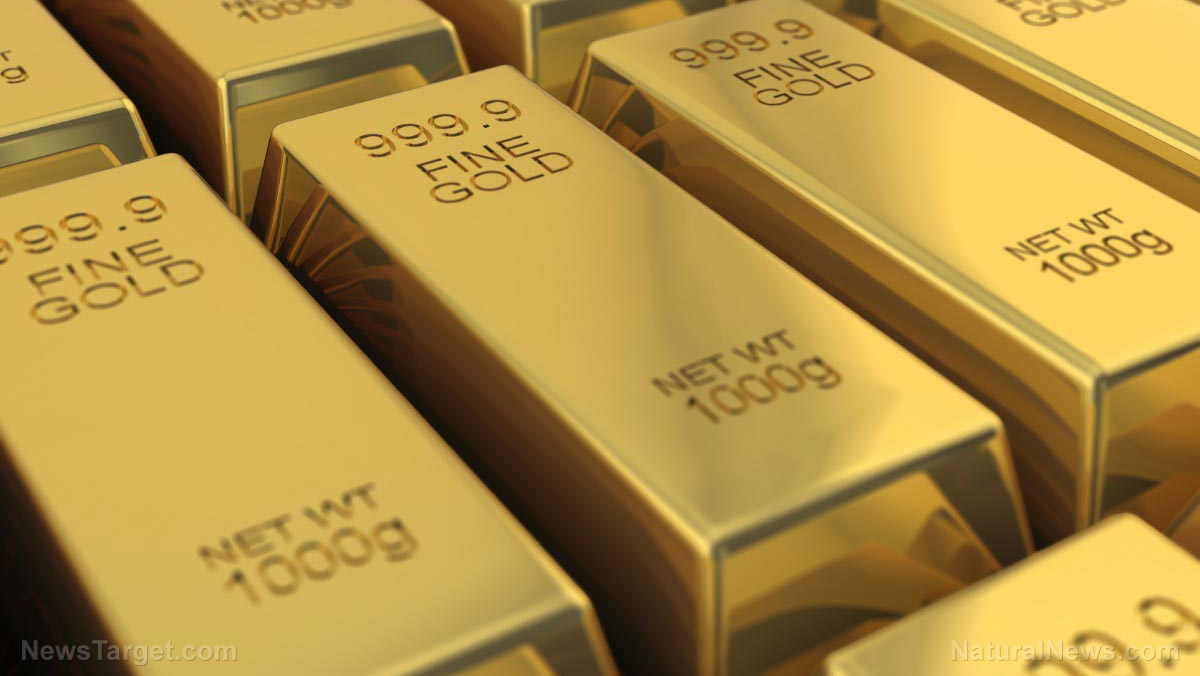
- Gold posted its worst quarter since 2013, falling 14 to 16% in Q2 alone and roughly 24% overall from January's record high near $5,600 to just above $4,000 an ounce.
- Silver fared worse, tumbling as much as 22% over the same three-month period.
- The selloff was driven by the widening war between the U.S. and Iran, rising energy prices, and expectations of further interest rate hikes.
- A death cross pattern and options market pessimism signal potential for more downside ahead.
- Central banks continue shifting away from dollar holdings, with a net 30% planning to increase gold reserves.
Gold is closing out its worst quarter since 2013, with spot prices trading just above $4,000 an ounce after falling roughly 24% from January's record high near $5,600. The metal briefly slipped below the psychologically important $4,000 level for the first time since November before stabilizing. Depending on the measure, the quarterly decline runs between 14% and 16%, with year-to-date losses in the 6.5% to 7.5% range. Silver has fared even worse, tumbling as much as 22% over the same three-month stretch.
The selloff marks a stunning reversal from January's euphoria, when bullion set an all-time high before suffering its steepest drop since the 1980s.
War-driven inflation fears are fueling rate hike bets
The proximate cause is the widening war between the U.S. and Iran, which has pushed energy prices higher and revived fears that inflation will force central banks to keep interest rates elevated — or raise them further. Gold, which pays no yield, becomes less attractive as borrowing costs rise.
Cleveland Fed President Beth Hammack said this week she sees little evidence rates are restraining the economy and suggested further hikes may be needed to hit the Fed's 2% inflation target. New Fed Chair Kevin Warsh was scheduled to speak Wednesday at the European Central Bank's symposium in Sintra, Portugal; last month, in his debut press conference, he signaled the central bank would not tolerate high inflation. Markets are now pricing in a possible rate hike as soon as September, with many analysts penciling one in for December.
"There's pressure on gold because people are not seeing much light at the end of the tunnel," said Marex analyst Edward Meir, noting the Middle East conflict has driven a 25% drop in gold since late February.
Americans watching their 401(k)s and savings accounts have reason to be uneasy: a foreign war thousands of miles away is now doing real damage to a metal many households rely on as a hedge against inflation and government overspending at home.
Technical and options signals point to more downside
Adding to the bearish mood, gold's 200-day moving average recently crossed below its 50-day average in a "death cross" pattern some traders read as confirmation of a longer downtrend. Options markets are similarly pessimistic: for the first time since 2016, traders are paying more for downside protection than for upside bets, according to Goldman Sachs commodities co-head Samantha Dart.
Still, Dart isn't ready to call the bull run over. She wrote in a June 29 note that Goldman still expects gold to reach $4,900 by year-end, citing central banks' continued shift away from dollar holdings. Saxo Bank's Ole Hansen added that some traders have already gained confidence from gold's rebound off last week's lows, though he cautioned prices still need to clear $4,100 before a short-term bottom can be confirmed.
Central banks are still buying, even as prices fall
That structural support is real. A survey of 90 central banks and sovereign wealth funds by OMFIF found that, for the first time, more institutions plan to cut dollar allocations than add to them over the next decade, with a net 30% planning to increase gold holdings.
Meanwhile, gold's once-reliable negative correlation with stocks has flipped positive, undercutting its usefulness as a portfolio hedge — right as inflation, driven in part by a war Washington helped escalate, is squeezing household budgets the most. June's jobs report, due Thursday, is expected to show roughly 114,000 new payrolls, a print that could either cement the hawkish rate outlook or offer gold a reprieve.
Sources for this article include:








Please contact us for more information.


