


Methodology and Key Results
Participants aged 55 to 74 at enrollment completed a detailed food frequency questionnaire, and diet quality was scored from 0 to 100 using the HEI-2020. Over the follow-up period, researchers tracked colorectal cancer incidence and mortality. The analysis found that higher HEI-2020 scores were associated with a gradual decline in colorectal cancer risk across the full range of scores, the report stated.
When researchers examined tumor location, they observed lower risks for distal colon cancer and a trend toward lower rectal cancer risk among those with higher diet quality. Deaths from proximal colon cancer also decreased as diet quality improved, according to the study. The findings suggest that overall dietary patterns influence colorectal cancer outcomes regardless of cancer location within the bowel.
What a High-Scoring Diet Looks Like
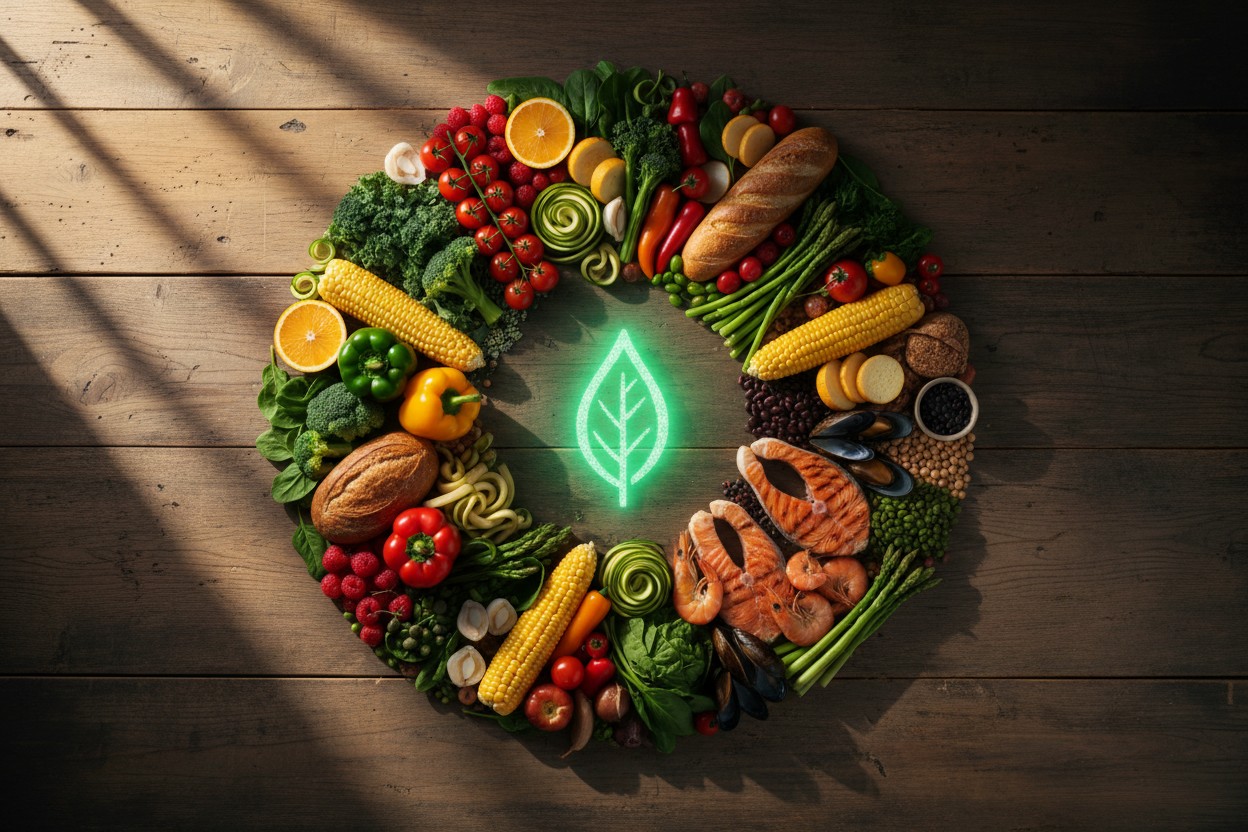
The HEI-2020 scores 13 dietary components. Higher scores reward increased intake of total fruits, whole fruits, total vegetables, greens and beans, whole grains, dairy, total protein foods, seafood and plant proteins, and a higher ratio of unsaturated to saturated fats. The index penalizes refined grains, sodium, added sugars, and saturated fats. In practice, a high-scoring diet emphasizes whole, minimally processed foods such as fruits, vegetables, legumes, whole grains, and seafood, aligning with federal dietary guidelines.
Previous research has linked plant-based eating patterns to lower colorectal cancer risk. A study published in JAMA Internal Medicine found that vegetarians had a 22% lower risk for all colorectal cancers, a 19% lower risk for colon cancer, and a 29% lower risk for rectal cancer compared to non-vegetarians, according to a report. [2]
Possible Mechanisms and Practical Implications
Fiber from high-scoring foods may play a key role in colorectal health, according to the study. Soluble fiber is fermented by gut bacteria to produce short-chain fatty acids such as butyrate, which serves as the primary energy source for colon cells and helps maintain gut lining integrity, according to Chris Kresser in 'Your Personal Paleo Diet.' [3] Fiber also adds bulk to stool and speeds transit through the digestive system, potentially reducing contact time with carcinogens.
A series of meta-analyses in The Lancet advised consuming at least 25 to 29 grams of dietary fiber per day to reduce the risk of non-communicable diseases, including colorectal cancer, according to a report. [4] The study noted that incremental improvements in diet quality across the full range of scores were linked to lower risk, suggesting that modest changes such as swapping refined grains for whole grains or adding a serving of legumes each day can be beneficial over time.
Conclusion
The study adds evidence that overall dietary patterns matter more than individual foods for colorectal health, the report stated. The 39% lower mortality risk among those with the highest diet quality is a notable finding, according to the researchers. They called for further investigation into the specific components driving the association.
Dietary factors have been extensively studied for their role in cancer development and prevention, as noted in 'Integrative Oncology' by Donald I. Abrams and Andrew Weil. [5] For individuals looking to reduce colorectal cancer risk, the study suggested focusing on whole grains, legumes, fruits, vegetables, and seafood while limiting refined grains, added sugars, and sodium.
References
- NaturalNews.com. "Natural prevention strategies revealed as colorectal cancer rates skyrocket". June 7, 2026.
- Mercola.com. "Decreased Cancer Risk for Vegetarians Who Eat". March 23, 2015.
- Chris Kresser. "Your Personal Paleo Diet".
- NaturalNews.com. "Follow a fiber-rich diet to lower your risk of non-communicable diseases says study". March 24, 2019.
- Donald I. Abrams and Andrew Weil. "Integrative oncology".









Please contact us for more information.


