



- Bitcoin surged to $67,000 amid a U.S.-Iran ceasefire and MicroStrategy's $100M BTC purchase, noting institutional confidence but skepticism about sustainability.
- Analysts caution against overinterpreting the rally, citing past failed truces and Bitcoin's volatility, while ETF inflows and Federal Reserve policy under Chair Kevin Warsh remain critical factors.
- The speaker compares Bitcoin's current euphoria to the 1999 dot-com bubble, urging caution amid speculative risks and historical precedents of market corrections.
- Geopolitical stability and oil route reopenings are framed as tailwinds for Bitcoin, though timing and Fed decisions could dictate price direction.
- Despite optimism, the speaker emphasizes Bitcoin's unpredictable nature and advises balancing market enthusiasm with caution, mirroring past warnings about speculative bubbles.
Bitcoin (BTC) surged to a two-week high near $67,000 on June 15, 2026, as a U.S.-Iran ceasefire eased geopolitical tensions and Strategy (MSTR) announced a $100 million Bitcoin purchase. The move, coupled with a Federal Reserve (Fed) meeting under new Chair Kevin Warsh, has intensified speculation about the cryptocurrency's trajectory.
The price spike followed Iran's confirmation of a memorandum of understanding to reopen the Strait of Hormuz, a critical oil transit route. Bitcoin briefly broke above $64,000 on thin weekend liquidity before consolidating near $67,000.
However, analysts caution against overinterpreting the rally. Nansen Research analyst Nicolai Sondergaard warned, "Traders burned twice this year are hesitant to redeploy capital. The April and June truces both reversed and Bitcoin giving back gains each time suggests bulls face hurdles before an uptrend forms."
Strategy's $100M Bitcoin buy fuels market optimism
MicroStrategy (MSTR), led by CEO Michael Saylor, disclosed a fresh 8-K filing revealing a 1,587 BTC purchase (worth approximately $100 million) between June 8-14. The company's Bitcoin holdings now total 846,842 BTC. MSTR's stock rose 9% on the news, while Strive (ASST), chaired by Vivek Ramaswamy, jumped 16% to $17.50. Coinbase, Robinhood and Circle also saw gains exceeding 5%.
Austin Federa of DoubleZero observed, "Institutions love crypto. You wouldn't know it's a bear market talking to bankers and suits." The rally reflects growing institutional confidence, though skepticism persists. Bitfinex analysts noted, "The price action suggests seller exhaustion, but genuine demand remains unproven. ETFs and Treasury/DAT companies must turn positive for BTC to sustain gains."
Bitcoin spot ETFs, which saw $1.8 billion in net outflows over five weeks, recorded a $85.85 million inflow on June 12, led by BlackRock's IBIT and Fidelity's FBTC. Bitfinex called this the first sign institutional buyers may re-engage, but emphasized consistency is key.
The Fed's June 16-17 meeting looms as a pivotal factor. Inflation at 3.8% in April and Warsh's potential dovish stance could influence Bitcoin's price. Bitfinex framed the Iran ceasefire as a transmission mechanism for easing inflation-linked assets: "If oil retreats, real yields and inflation breakevens ease, giving Bitcoin a tailwind. But timing is critical, the agreement lands a day before the FOMC meets."
Bull vs. bear case: Consolidation or breakdown?
The market remains trapped in consolidation, according to Bitfinex, between critical support and resistance levels. A durable support base could propel Bitcoin to $100,000, while a breakdown risks a deeper correction. Sondergaard added, "June 19 in Switzerland, likely a Bitcoin event, is the real timestamp, not Sunday's headlines."
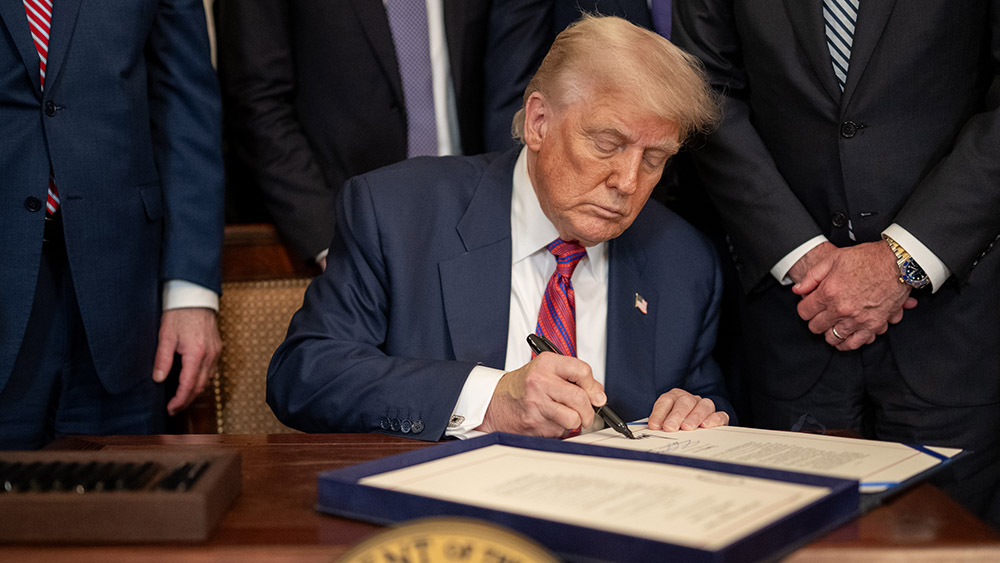
Critics like Peter Schiff argue Bitcoin's surge is fueled by government support, citing President Donald Trump's proposed Bitcoin reserve backed by fiat. The asset's volatility, however, remains a concern. "This is a euphoria phase of a bull market," said an anonymous Bitcoin holder, but history shows corrections come suddenly.
While the Iran ceasefire and institutional buys have driven Bitcoin's surge, the Fed's policy decisions and ETF activity will determine its sustainability. As Sondergaard concluded, "The market is treating June 19 as the real test, not the ceasefire." Investors are advised to balance optimism with caution, given the asset's history of speculative bubbles.
Bitcoin's price action, like the dot-com boom of 1999, may test the resolve of even the most bullish investors. As the world watches Warsh's Fed and the geopolitical chessboard, one truth remains: In crypto, nothing is certain.
Watch this video about Bitcoin, war and Iran.
This video is from the Stefan Molyneux channel on Brighteon.com.
Sources include:







Please contact us for more information.


