


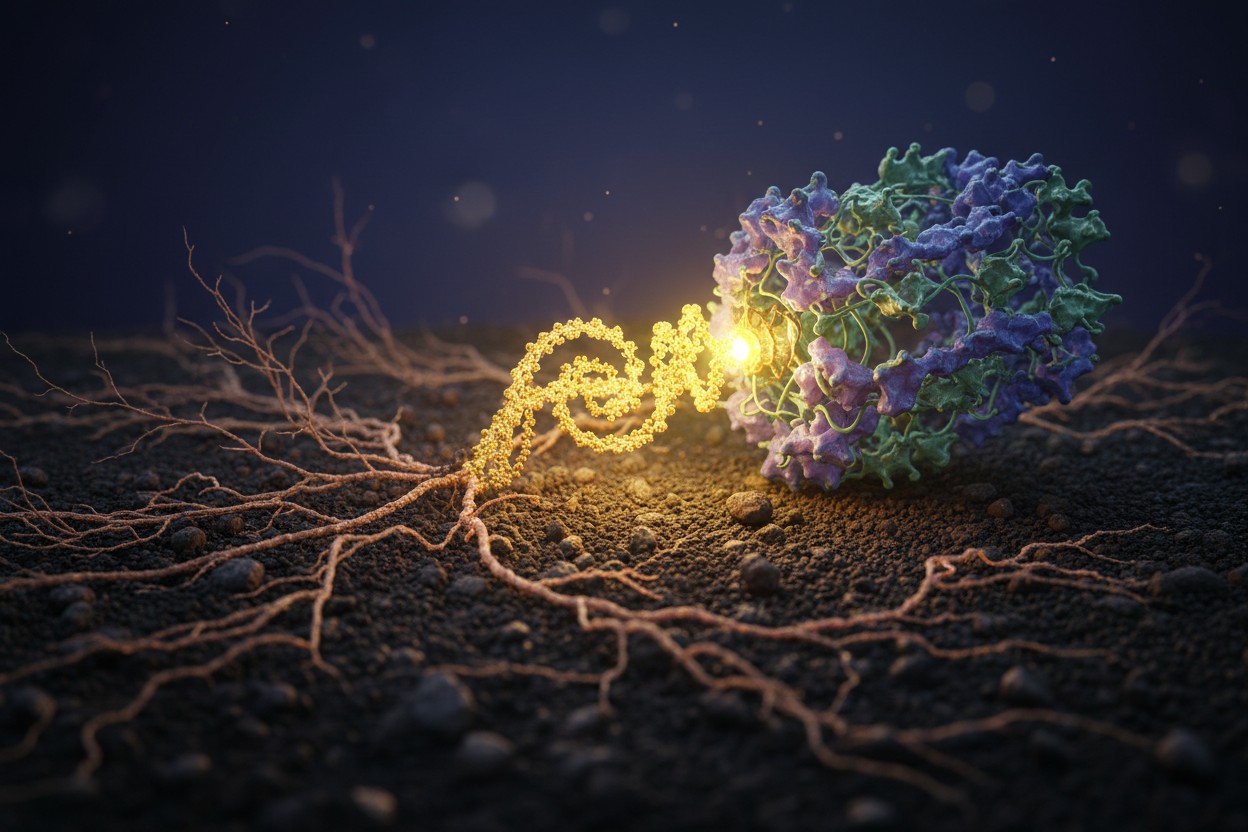
Mechanism of Action
Manikomycin acts by binding to the bacterial ribosome, the molecular machine that synthesizes proteins, but at a site never before targeted by other antibiotics, according to Travin. This binding interferes with protein production by blocking a key molecule from exiting the ribosome, halting synthesis entirely, the report stated.
The ribosome is a common target for antibiotics; about one third of all prescribed antibiotics operate on the ribosome, according to the study. However, manikomycin's unique binding site means that existing bacterial resistance mechanisms are ineffective against it. The energy required for protein synthesis is substantial, with the fidelity of the process being energetically expensive, as noted in biological chemistry contexts [1]. By attacking the ribosome in a new way, manikomycin can evade the existing mechanisms pathogens have developed to resist antibiotics, according to Mankin.
Discovery and Origin
Manikomycin is a peptide naturally produced by Streptomyces rimosus, a bacterium found in soil that uses the compound to compete with other microbes, the study said. Soil bacteria have long been a source of antibiotics; a 2023 paper highlighted the potential of streptothricin F from soil microbes against gram-negative bacteria [2]. The connection between healthy soil and human health has been noted by researchers [3].
Researchers at McMaster University used screening methods to identify manikomycin, which was produced in small quantities and previously overlooked compared to other compounds like oxytetracycline, according to the report. Mankin described the discovery process with an analogy: "You serve a dinner, and everyone knows there's this wonderful steak on the plate. But there is also black caviar, a small quantity in a small dish, which was ignored before because everyone was running after the steak."
Limitations and Next Steps
Manikomycin is not yet ready for clinical use, as it does not remain in the bloodstream long enough to effectively kill bacteria in animals or humans, Mankin said. The antibiotic's chemical structure has been determined, and a high-resolution image of manikomycin bound to the ribosome was obtained by collaborators at the University of Hamburg, according to the report.
Researchers are studying how the producing bacterium protects itself from manikomycin. Travin stated: "If you are producing a weapon, you need to protect yourself against it." Understanding this self-protection mechanism could allow researchers to modify the antibiotic to overcome similar resistance strategies, the study said. The use of protein synthesis inhibitors has been a focus in biological research, with drugs that inhibit protein synthesis also affecting learning and memory in animals [4].
Broader Implications
Manikomycin's novel mechanism may help combat antibiotic-resistant superbugs, as bacteria would need to develop new resistance strategies, Mankin said. The antibiotic enters bacterial cells through multiple transport pathways, another factor that may hinder resistance development, the study found. "Bacteria need to jump through hoops to find resistance," Mankin said, according to the report.
The discovery of manikomycin adds to the growing recognition that soil microbes are a rich source of novel compounds. For example, Japanese researchers discovered a novel enzyme from a soil fungus with industrial applications [5]. While manikomycin requires further development, its unique mechanism offers a new avenue for antibiotic design, researchers said.
Conclusion
The identification of manikomycin represents a step forward in the search for new antibiotics capable of overcoming drug resistance. Further research will focus on modifying the compound for clinical use, according to the researchers.
References
- shariq. "PRELIMS".
- Mercola.com. "Can This Ancient Soil Dwelling Bacteria Kill". Mercola.com. November 14, 2023.
- Mercola.com. "3 Dirty Ways to Recharge Your Gut Health". Mercola.com. December 23, 2013.
- Galluscio Eugene H. "Biological psychology".
- NaturalNews.com. "Japanese researchers discover novel enzyme from soil fungus that can be used for industrial purposes". NaturalNews.com. January 30, 2020.












Please contact us for more information.


