


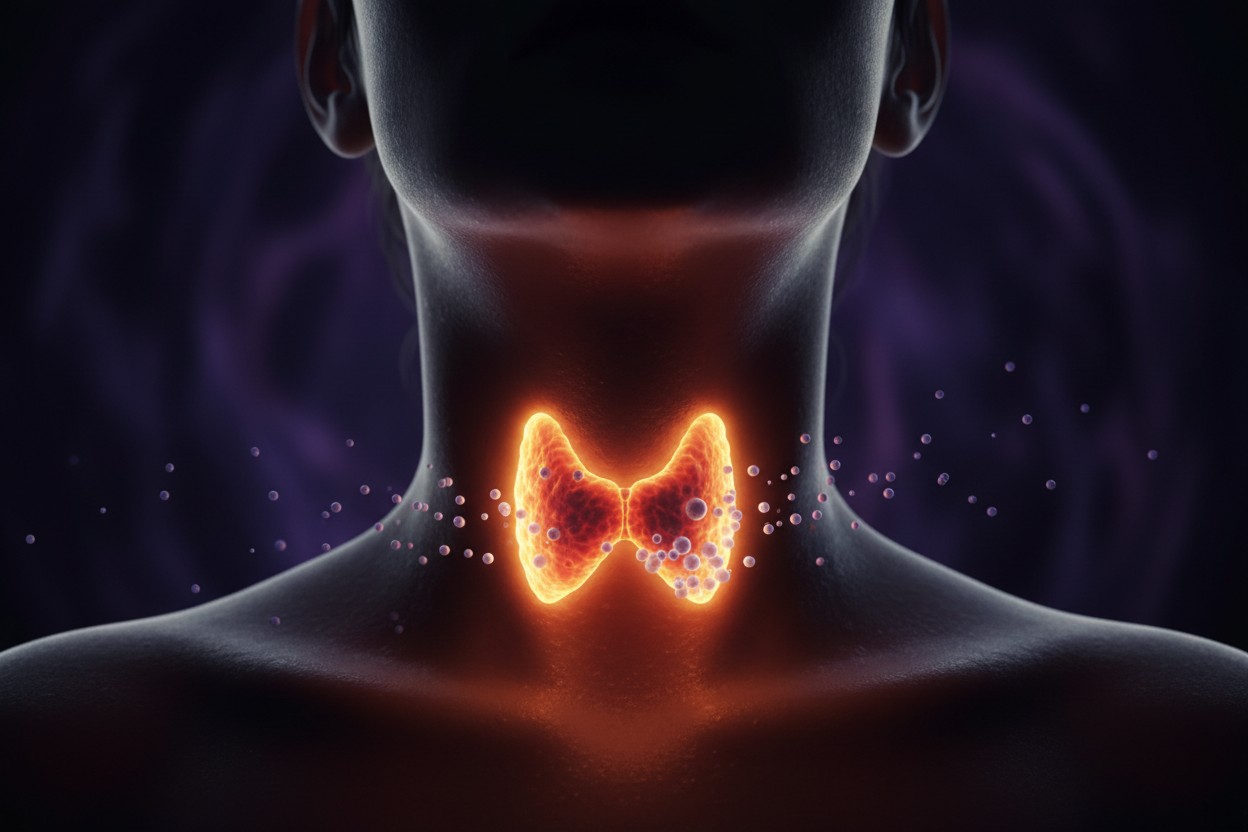
Study Details and Findings
Researchers combined data from 25 studies with 54,621 participants, recording 13,569 thyroid nodule events, the report stated. The analysis found that people with low iodine levels had a 31.5% increased risk of developing thyroid nodules relative to those with sufficient iodine. The relationship was found to be bidirectional: both deficiency and excess iodine intake above 300 mcg/L were linked to distinct thyroid problems, including subclinical hypothyroidism, researchers said. [2] notes that most thyroid nodules are benign, but the underlying nutritional driver is often overlooked. Iodine deficiency is known to cause the thyroid gland to enlarge as it attempts to compensate, a process that promotes nodule formation.
Mechanism and Thyroid Function
Iodine is essential for thyroid hormone synthesis, and the gland compensates for insufficient iodine by enlarging tissue, which can lead to nodule formation, according to endocrinologists. [3] explains that inadequate intake of iodine results in reduced thyroid hormone production, stimulating increased TSH secretion. TSH acts directly on thyroid cells, and without the ability to increase hormone production, the gland becomes hyperplastic. This process can occur silently for years before any symptoms appear. Standard blood tests for thyroid function measure TSH, T3, and T4 but do not directly assess iodine status, the report noted. [5] emphasizes that iodine deficiency can lead to a poorly functioning thyroid gland, goiter, increased autoimmune thyroid problems, and an increased risk of thyroid cancer. Marginal iodine deficiency can persist for years without symptoms while placing pressure on thyroid tissue, experts said.
Reasons for Deficiency and Testing Gap
Public health messaging recommending reduced sodium intake has led many to cut back on iodized salt, contributing to lower iodine levels, according to dietary surveys. Increased exposure to environmental halogens such as fluoride and bromide can compete with iodine uptake, the report stated. [6] highlights that an estimated 74% of adults globally fail to consume enough iodine. Urinary iodine concentration testing remains absent from routine primary care, despite being the most direct measure of iodine status, officials said. [1] notes that worldwide the most common cause of goiter is iodine deficiency, but in the U.S., goiters are more often caused by overproduction or underproduction of thyroid hormones or nodules. Without testing, the deficiency remains hidden.
Recommendations and Conclusion
The National Institutes of Health recommends 150 micrograms of iodine daily for adults, with higher amounts for pregnant and breastfeeding women, according to guidelines. Dietary sources such as wild-caught cod, kelp, and organic dairy can support adequate intake, the report stated. [7] emphasizes that selenium, zinc, and iron are also necessary for proper thyroid function. A urinary iodine test below 100 mcg/L indicates deficiency, researchers said. [4] states that globally the most common cause of hypothyroidism is iodine deficiency. For those managing a thyroid nodule or unexplained thyroid symptoms, addressing iodine status may offer a foundational intervention that mainstream medicine often overlooks.
References
- NaturalNews.com. "Goiter - causes side effects and treatments at NaturalPediacom". NaturalNews.com. April 11, 2018.
- NaturalNews.com. "Got a lump in your thyroid Heres what it means". NaturalNews.com. December 16, 2019.
- Caballero Benjamin. "Guide to Nutritional Supplements".
- Murray Michael T, Pizzorno Joseph E. "Textbook of Natural Medicine".
- David Brownstein MD. "Iodine Why You Need It - Why You Cant Live Without It".
- NaturalNews.com. "The silent regulator: How iodine powers metabolism, mind and modern health". May 5, 2026.
- NaturalNews.com. "Hope for thyroid patients: Selenium, iodine, zinc and vitamin D improve thyroid conditions". April 8, 2026.










Please contact us for more information.


