



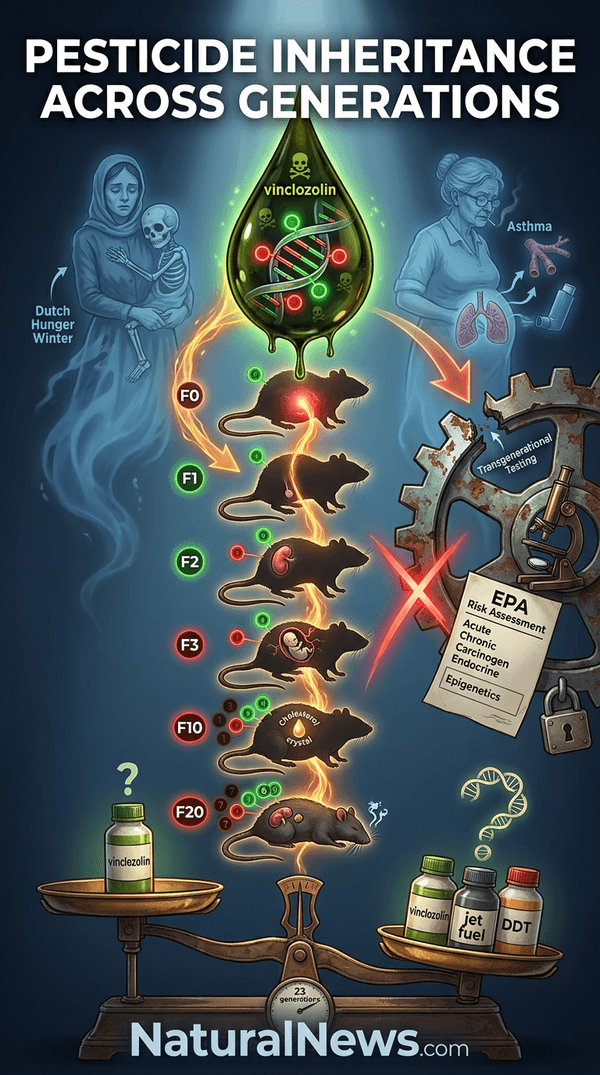
Advocacy groups point to regulatory gaps in the United States. According to Beyond Pesticides, the U.S. Environmental Protection Agency’s risk assessments do not currently account for transgenerational effects. The persistence of such health effects across many generations raises questions about whether current safety evaluations are adequate to protect future populations, the group said in a statement. Earlier research has shown that the pesticide vinclozolin can propagate its effects through the male germ line for multiple generations [2].
Transgenerational Epigenetic Inheritance: Background
Epigenetics involves chemical tags attached to DNA that control gene activity; these tags can be influenced by diet, stress, or toxicants. According to the Alliance for Natural Health, “We’re also discovering that in some respects, what we are depends on what our grandparents ate or did” [3]. The central dogma of genetics held that only changes to DNA sequence are inherited, but research since the 1990s has shown that epigenetic marks can be passed to offspring.
Multigenerational exposure occurs when a pregnant female exposed to a chemical affects her fetus and the fetus’s germ cells, covering three generations. Transgenerational effects begin from the fourth generation onward, with no direct exposure. According to Andre Leu in “The Myths of Safe Pesticides,” small exposures to pesticides at critical times in fetal development can cause multiple diseases that are passed to future generations [4]. A 2020 study found that endocrine-disrupting chemicals in pesticides can affect fish for at least two subsequent generations [5].
Key Findings: Skinner Lab 2026 Study
The Skinner laboratory exposed one generation of pregnant rats to vinclozolin, then bred unexposed descendants for 23 generations. Outcomes included increased mating failure, testicular cell death in males, severe labor complications in females, and rising kidney pathologies in both sexes. The study, published in PNAS, found that obesity and high cholesterol were observed in affected females, which may disrupt uterine contractions. According to the researchers, epigenetic changes accumulated over generations, affecting all somatic cells through modified germline epigenomes.
The findings build on earlier work by the same group. In 2005, an initial study with vinclozolin demonstrated that effects could be propagated through the male germ line for several generations [2]. A separate study published in 2012 showed that dioxin exposure similarly caused heritable changes in rats [1]. The current results suggest that the consequences may worsen over time, with parturition abnormalities appearing around the 14th generation and intensifying through the 23rd generation.
Regulatory Implications and Gaps
The EPA requires testing for acute and chronic toxicity, carcinogenicity, and endocrine disruption, but not for transgenerational epigenetic effects, according to Beyond Pesticides. Vinclozolin is registered in the U.S. for use on fruits, beans, onions, and turf; it is classified as an endocrine disruptor and possible carcinogen. The study raises questions about whether current risk assessments are adequate to protect future generations, the group said.
Critics note that regulators typically evaluate chemicals one at a time, ignoring mixture effects. According to GreenMedInfo.com, “Such mixture effects are not accounted for when assessing chemical safety, which is tested one chemical at a time, if at all” [6]. A 2023 study by Skinner’s team found that multiple chemical exposures -- vinclozolin, jet fuel, and DDT -- can compound transgenerational disease risks, complicating single-chemical evaluation. Because approximately 80,000 chemicals are produced commercially and most are not thoroughly tested [6], experts say the current framework may underestimate long-term hazards.
Perspectives and Skepticism
Not all scientists accept transgenerational epigenetic inheritance as definitively established. Some researchers have noted that evidence in mammals remains limited and that alternative explanations, such as genetic mutations, cannot be ruled out. However, a growing body of work from Skinner’s lab has demonstrated consistent DNA methylation changes in sperm across generations, which he says serve as a biomarker for disease risk.
Advocates argue that the preponderance of evidence supports the phenomenon. According to Andre Leu, “The scientists found that 363 genes had been altered by the pesticide” [4], indicating a broad molecular impact. The debate highlights the need for more research and potential updates to regulatory frameworks, according to environmental health experts.
Conclusion
The persistence of health effects for up to 20 generations suggests a legacy of chemical exposure that current U.S. regulations do not address. Advocates call for incorporating transgenerational testing into pesticide registration and promoting organic farming as a preventive measure. According to GreenMedInfo.com, toxic chemicals are pervasive and found in all human tissues, food, soil, air, and water [6].
The United Nations Environment Programme’s World Environment Day, held June 5, 2026, highlighted climate change and biodiversity loss, with some linking pesticide use to these broader challenges. A study on DDT exposure found that grandmothers’ blood levels during pregnancy were associated with increased breast cancer risk in granddaughters [7], underscoring the multi-generational stakes. Reducing exposure through organic diets and regenerative agriculture is one recommended step for individuals and communities.
References
- NaturalNews.com. “Dioxins - Causing generations of damage”. October 5, 2012.
- “Nutrition in Epigenetics”
- Alliance for Natural Health. “1”. January 28, 2014.
- Andre Leu. “The Myths of Safe Pesticides”
- NaturalNews.com. “Endocrine-disrupting chemicals in pesticides and birth control pills can affect fish for generations”. November 4, 2020.
- GreenMedInfo.com. “The Ten Toxic Truths”
- ChildrensHealthDefense.org. “Groundbreaking Study Shows DDT Linked to Increased Breast Cancer Risk Generations After Exposure”
Explainer Infographic










Please contact us for more information.


