


Key points:
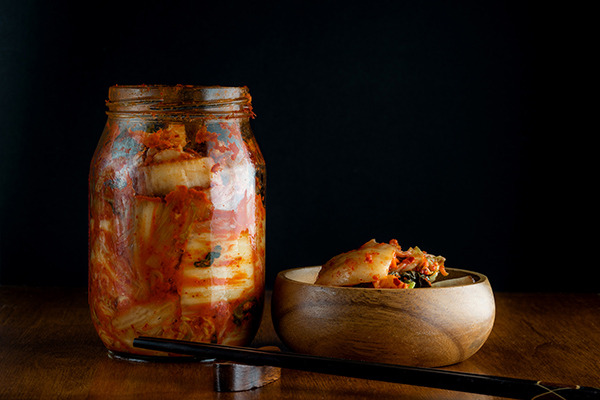
- Most significant finding: Men eating one to two daily servings of napa cabbage kimchi showed a 39% lower risk of high total cholesterol.
- Women consuming the same amount reduced their risk of low “good” HDL cholesterol by roughly 20%.
- Higher consumption, beyond two servings per day, failed to produce additional benefits for most markers.
- The study observed no significant effects on LDL cholesterol or triglycerides for either sex.
- Researchers cannot establish direct cause and effect due to the observational design, but the benefits of napa cabbage kimchi were undeniable.
A 20-year look inside Korean kitchens
The findings emerge from the Ansan-Anseong cohort study, a long-term community-based project in South Korea that followed 4,666 adults between ages 40 and 69 starting in the early 2000s. Researchers tracked participants every two years through 2020, using a validated 103-item food frequency questionnaire to measure dietary intake. They specifically examined four types of kimchi:
- Baechu (napa cabbage)
- Kkakdugi (radish)
- Water kimchis like nabak and dongchimi
- Plus other variations among the more than 200 known styles
The team then connected these consumption patterns to incident dyslipidemia, a condition encompassing high total cholesterol, high LDL, low HDL, and elevated triglycerides. For men, the protective effect centered almost entirely on total cholesterol. Men consuming one to two servings of baechu kimchi daily saw a 39% lower risk of hypercholesterolemia compared to those eating the least. For women, the benefit targeted HDL, the so-called good cholesterol. Women eating one to two servings daily had a roughly 20% lower risk of low HDL, while those eating three or more servings showed a 22% lower risk.
Notably, the study published in a peer-reviewed journal, found no significant associations for LDL cholesterol or triglycerides in either sex. The researchers also emphasized that eating more kimchi did not consistently yield greater protection, a nuance often lost in simplified dietary advice.
Why fermentation may matter, and what the study left unsaid
The mechanisms proposed by researchers center on kimchi’s unique biology. Lactic acid bacteria, including Lactobacillus, Weissella, and Leuconostoc strains, populate the fermented vegetables and have been studied for their potential to reduce cholesterol absorption in the gut. The fermentation process also produces short-chain fatty acids, which may influence lipid regulation. Garlic brings allicin to the mix, while red pepper adds antioxidant compounds, so some of the benefits may be attributed to these other factors.
In the end, the study does not prove cause and effect. It followed a specific population, Korean adults aged 40 and older, meaning results may not translate to younger people or those from different dietary backgrounds. Also, kimchi carries high sodium content, a critical consideration for anyone managing blood pressure. One to two servings equates to roughly a quarter cup to one full cup daily, about 50 grams for cabbage or radish kimchi and 100 grams for water-based varieties.
For consumers seeking cardiovascular benefits, the evidence supports moderate inclusion of fermented foods rather than excessive consumption. The researchers noted that sex-specific lipid dynamics, possibly tied to hormonal differences like estrogen decline in postmenopausal women, may explain why women’s HDL responded while men’s total cholesterol improved.
Sources include:









Please contact us for more information.


