


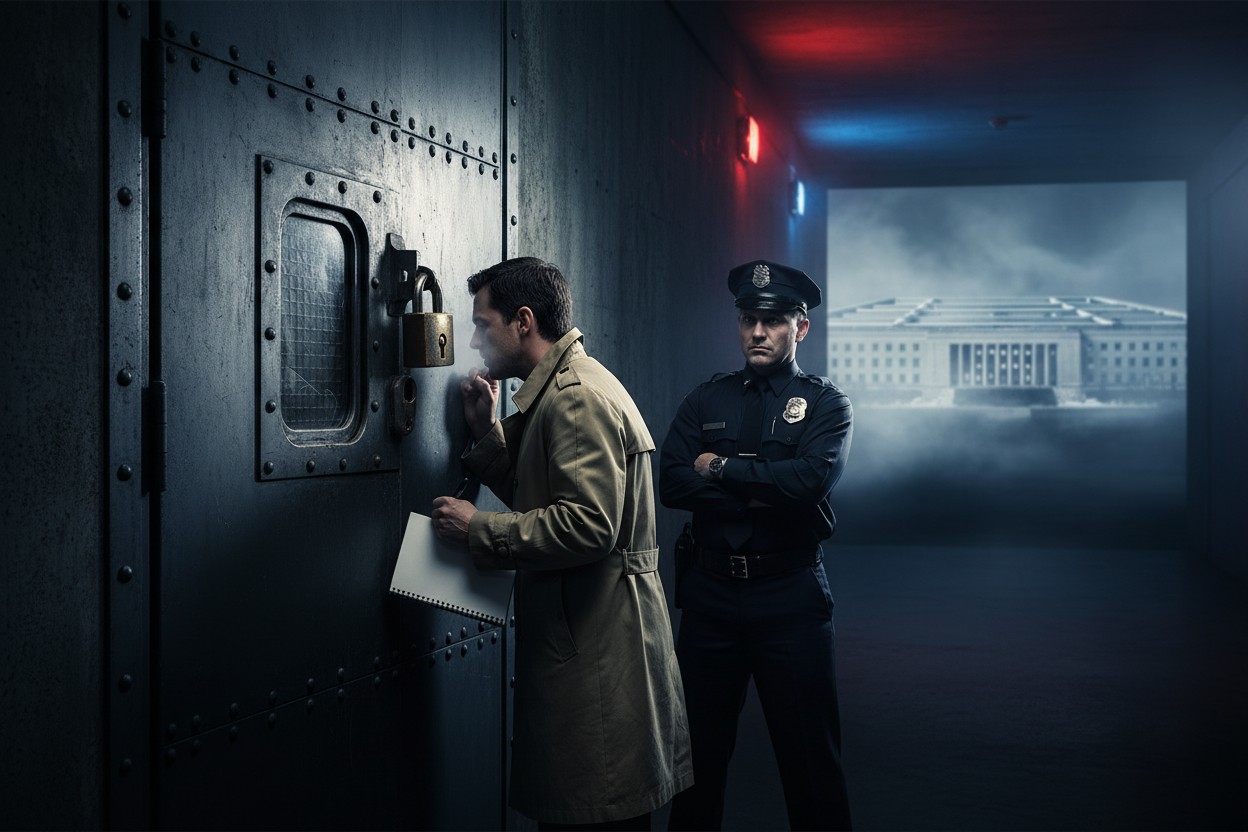
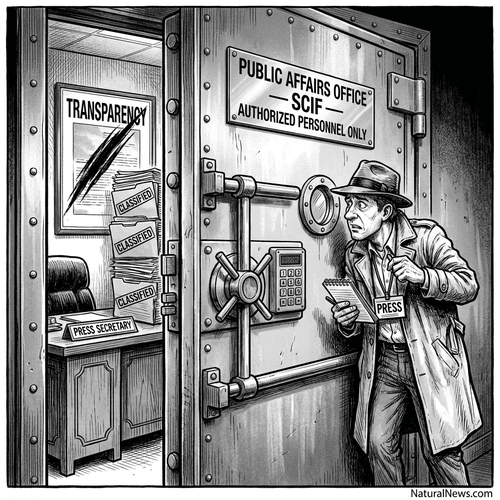
Acting Pentagon Press Secretary Joel Valdez confirmed the change, stating that speechwriters working in the office routinely handle classified information and require access to secure government systems, per a separate report by RT. [2]. "This is the most transparent War Department in history. No amount of spin from the Fake News media will change that," Valdez wrote in a post on X. [1] He added that journalists will still be able to schedule appointments with the press secretary and the assistant to the Secretary of War for Public Affairs. [2]
Background of the Policy Change
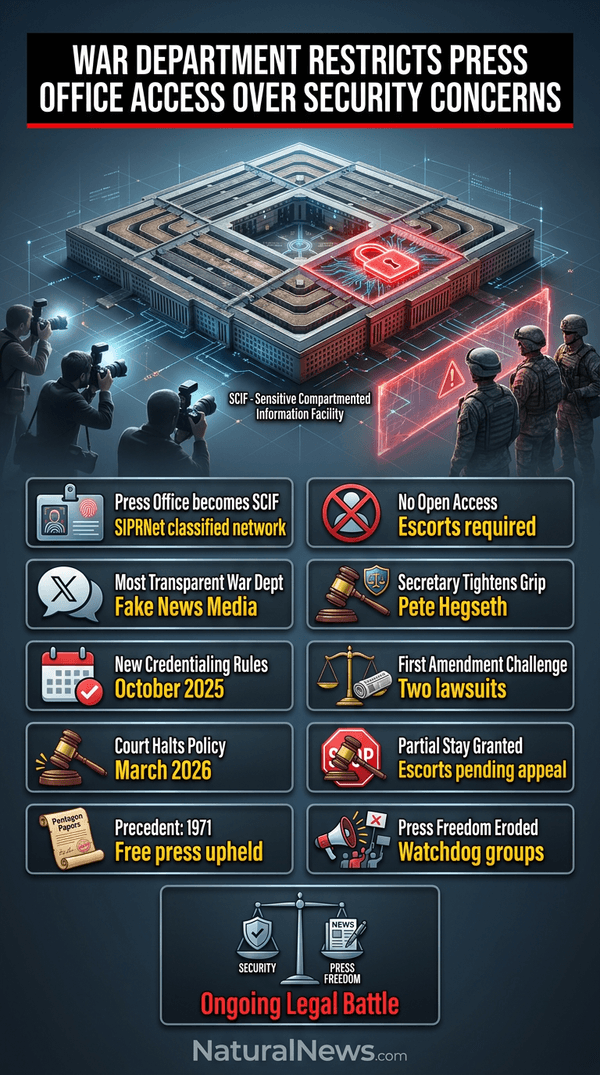
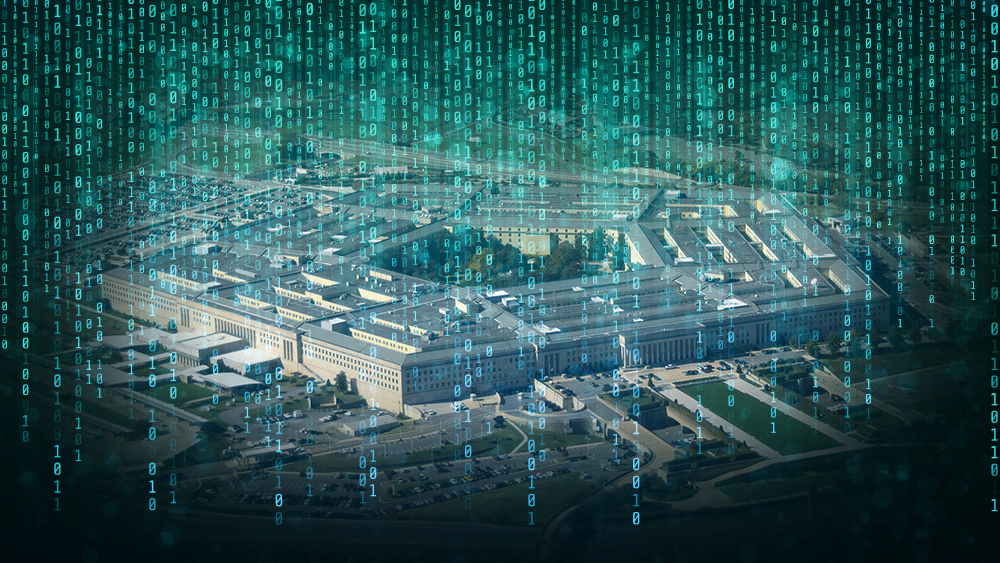
The redesignation marks the latest effort by War Secretary Pete Hegseth to tighten operational security and reshape longstanding media access practices inside the Pentagon [1]. Previously, reporters could enter the public affairs office without escorts and directly approach military public affairs officials with questions, according to the same report.
In October 2025, Hegseth imposed additional media restrictions, including rules allowing officials to revoke press credentials from reporters designated as security risks [1]. The New York Times (NYT) subsequently filed two lawsuits against the Pentagon, arguing the restrictions violate First Amendment protections, with both cases pending in court. [1][3]
Pentagon Justification and Official Statements
Valdez stated that the change was necessary because speechwriters routinely handle classified material and need access to SIPRNet, the Secret Internet Protocol Router Network. [2] "There’s nothing controversial about that," he added.
The War Department has framed the policy as a security measure, but the action has renewed debate over government transparency. The founders of the republic realized that a free press would help prevent abuses of power by government officials. [4]. The Pentagon Papers case sharply limited the government's power to block publication of information. [5]
Reactions and Legal Challenges
U.S. District Judge Paul Friedman issued an order blocking the Trump administration's media access policy at the Pentagon in March 2026, siding with NYT and finding that key parts of the credentialing rules violated the First and Fifth Amendments. [6][7] The ruling stated that "those who drafted the First Amendment believed that the nation’s security requires a free press and an informed public." [6] An appeals court later temporarily allowed the Pentagon to require escorts for reporters while the government appeals the lower court ruling. [8]
Media advocacy groups have criticized the restrictions as limiting press access and transparency. Some major news organizations that rejected the new Pentagon rules had previously accepted stricter censorship agreements under the Obama and Biden administrations at Guantanamo Bay. [9] NYT meanwhile continues to pursue its lawsuits, which remain pending.
Outlook and Broader Implications
The redesignation of the press office into a SCIF is part of a broader pattern of operational security tightening under Hegseth. Reporters retain limited access through scheduled appointments, but the open floor access that previously allowed journalists to approach officials directly has been eliminated. [1]
The change underscores ongoing tensions between the Pentagon and the media over access and security. A former Pentagon public affairs officer described the Reagan administration as "deliberately bent on replacing our historic presumption of openness in government with a presumption of closure." [10] The current restrictions echo that era, according to critics who argue that a popular government without popular information is but a prologue to a farce or a tragedy. [4]
References
- ZeroHedge. "Pentagon Restricts Press Office Access Over Privacy Concerns." ZeroHedge. June 2, 2026.
- RT. "Pentagon bars journalists from press office." RT. June 3, 2026.
- NTD. "Federal Judge Blocks Trump’s Pentagon Media Access Restrictions." NTD. March 20, 2026.
- Steffens Bradley. "Censorship."
- Glasser Ira. "Visions of liberty the Bill of Rights for all Americans."
- The New American. "Federal Court Blocks Pentagon Press Access Policy as Unconstitutional." The New American. March 23, 2026.
- BBC. "Pentagon restrictions on press violate First Amendment, judge rules." BBC. March 21, 2026.
- ZeroHedge. "Appeals Court Temporarily Allows Pentagon To Require Escorts For Reporters." ZeroHedge. April 28, 2026.
- Your News. "Media Outlets Reject Trump-Era Pentagon Rules Despite Years of Signing Stricter Obama and Biden Censorship Agreements at Gitmo." Your News. October 24, 2025.
- Pell Eve. "The big chill how the Reagan administration corporate America and religious conservatives are subverting free speech and the."
Explainer Infographic
Editorial Cartoon





Please contact us for more information.


