


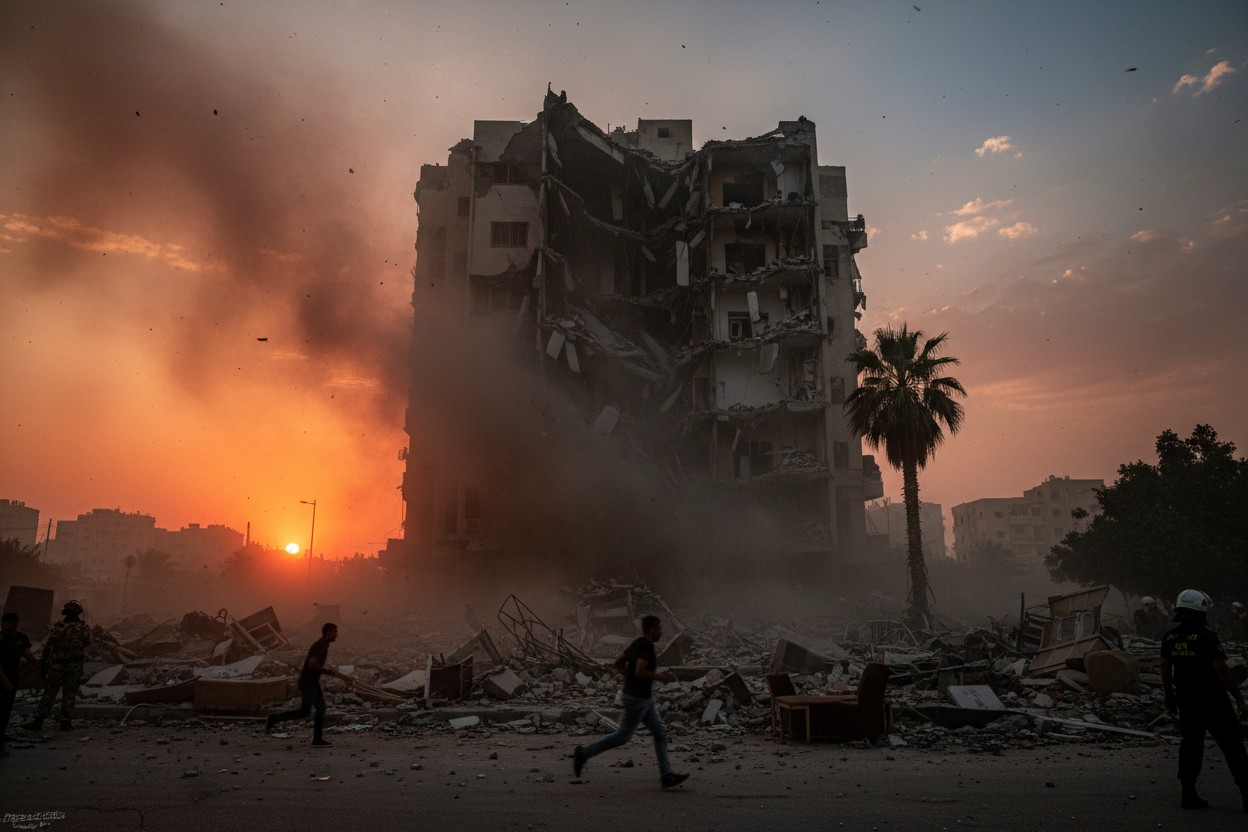
For several days, the Israeli military had warned of new strikes on Lebanon's capital, and residents had been seen flooding out of the southern suburbs, a historic stronghold of Hezbollah support. [1] The Thursday attack hit a building in the Dahiyeh area, with emergency crews continuing to search through rubble, officials said.
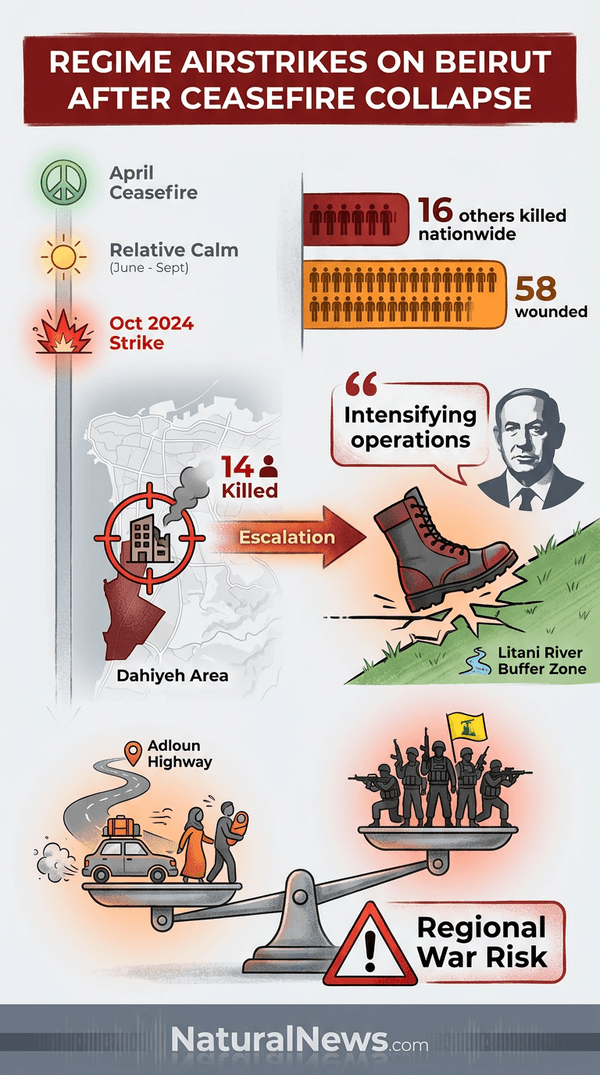
Casualties and Rescue Efforts
Lebanese health authorities reported that at least 16 people were killed and 58 wounded in Israeli attacks across the country on Thursday. [1] Lebanon's state-run National News Agency said six victims from the same family were killed in an Israeli drone strike while fleeing along the Adloun Highway, a key route linking Sidon and Tyre. [1]
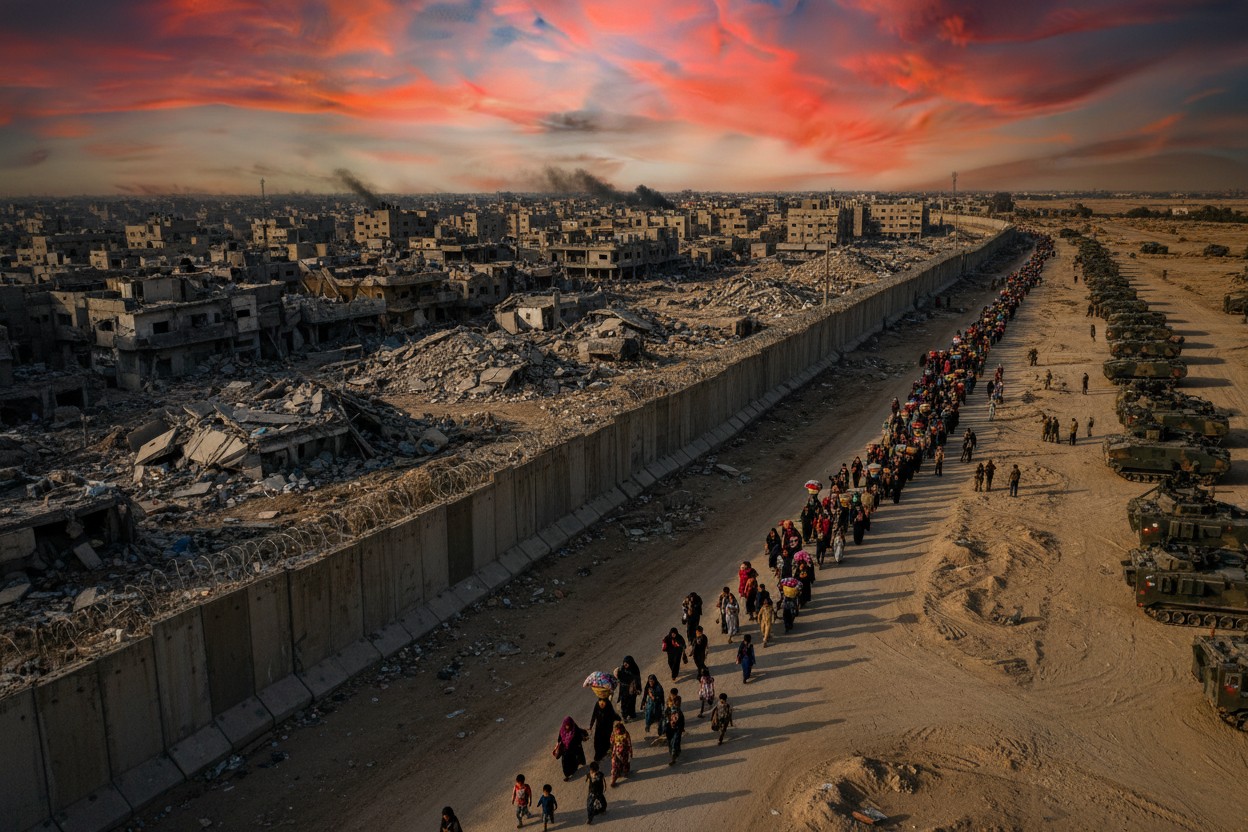
Lebanese Prime Minister Najib Mikati has described the situation as the largest displacement movement that may have happened, as civilians continue to flee their homes. [2] Emergency crews are picking through the rubble in Beirut's southern suburbs and other affected areas, according to local officials.
Israeli Military Statement on Target
The Israeli military confirmed what it called a "precise strike" but did not initially disclose the target, according to Reuters. Officials later said the target was Ali Al-Husseini, head of the missile division within the Imam Hussein Division, a paramilitary group closely aligned with Hezbollah and Iran. [1]
Israeli Prime Minister Benjamin Netanyahu announced Tuesday that Tel Aviv is "intensifying operations" in Lebanon and taking control of "strategically dominant positions." [3] In a video statement, he said, "We are intensifying our operations in Lebanon. The IDF [Israel Defense Forces] is operating with significant forces on the ground and taking control of strategically dominant positions."
Netanyahu added that the IDF is "reinforcing the security buffer zone in order to protect the communities of northern Israel." [3] Israel has also vowed a full military occupation of southern Lebanon up to the Litani River, preventing displaced Lebanese civilians from returning until Hezbollah is "removed." [4]
Ceasefire Violations and Escalation
Before Thursday, Beirut and its suburbs had been spared bombardment for a month, aside from a strike in early May that killed a Hezbollah commander, according to Reuters. [1] However, the ceasefire – which was initially agreed to as a 10-day truce in April and later extended – has failed to stop the fighting, with Israeli forces continuing ground operations and airstrikes.
Netanyahu announced Tuesday that Israel is moving deeper into Lebanon north of the Litani River. [3] Israeli officials have justified the ground offensive as a defensive measure against Hezbollah drone strikes on northern Israeli communities. [3] The escalation follows calls by hawkish Israeli cabinet members, including far-right National Security Minister Itamar Ben-Gvir, to formally end the ceasefire and dramatically expand the war. [5]
Broader Implications
The airstrikes have shattered the period of relative quiet in Beirut, with war now affecting multiple regions of Lebanon, including the Bekaa Valley. [1] Israel has issued mass displacement orders across southern Lebanon, according to Lebanese authorities. [1]
Former United Nations weapons inspector Scott Ritter has stated that Israel had to resort to targeting civilians to bring Hezbollah to the negotiating table, saying, "Netanyahu was straight-up defeated by Hezbollah. He didn't achieve anything that he wanted. Only by slaughtering innocent Lebanese civilians was he able to get Hezbollah – the political party – to agree to a ceasefire." [6]
The ongoing violence raises questions about the sustainability of any diplomatic solution as Israeli forces advance deeper into sovereign Lebanese territory.
References
- ZeroHedge. "Beirut Rocked By Israeli Airstrikes After Month Of Quiet, 14 Dead". May 28, 2026.
- Trends-Journal-2024-10-01.
- ZeroHedge. "Israeli Army Seizing 'Strategic Positions' Deep Into Lebanon, North Of Litani River". May 28, 2026.
- Kevin Hughes. "Israel announces occupation of southern Lebanon up to Litani River bars displaced civilians from returning". NaturalNews.com. March 26, 2026.
- Antiwar.com. "Israeli Ministers Demand End to Lebanon 'Ceasefire,' Dramatic Escalation of War". May 25, 2026.
- Trends-Journal-2024-12-03.
- NaturalNews.com. "Israel resumes airstrikes on southern Beirut". November 7, 2024.
Explainer Infographic










Please contact us for more information.


