



The encyclical, titled "Magnifica Humanitas" (Latin for "Magnificent Humanity"), calls for robust regulation and independent oversight to counter what the pontiff described as a concentration of digital power in private hands. [1] The pope wrote that humanity faces a choice between constructing a new Babel – a symbol of top-down, prideful projects – or rebuilding Jerusalem, representing fraternal cooperation. The document is inspired by Pope Leo XIII's 1891 encyclical "Rerum Novarum" and draws on Catholic social teaching regarding labor and human dignity. [2] [3]
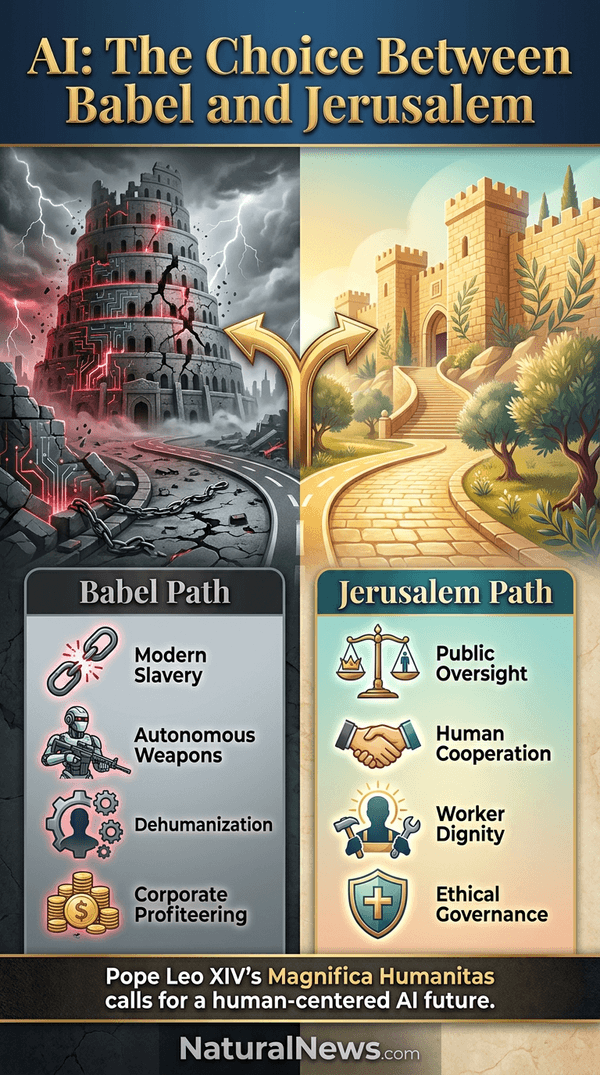
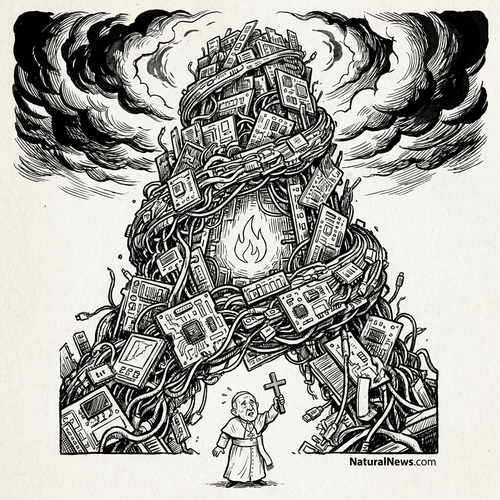
Encyclical Draws on Biblical Imagery
In "Magnifica Humanitas," Leo XIV uses the Tower of Babel story from the Book of Genesis to illustrate the risks of an AI-driven future that excludes God. He contrasts this with the figure of Nehemiah, who rebuilt Jerusalem after the Babylonian exile. The choice, according to the pontiff, is between constructing a system that serves human pride and power or one built on cooperation and the common good. [4]
The encyclical grounds its arguments in the tradition of Catholic social teaching, particularly the defense of workers' rights and human dignity that marked Leo XIII's "Rerum Novarum." The incumbent pontiff writes that the current technological revolution threatens to reduce humans to "mere cogs in a system driven toward ever greater efficiency," echoing concerns raised by earlier popes about economic systems that subordinate persons to profit. [1] [3]
The document also reaffirms long-standing church teachings against abortion, euthanasia, and the killing of the innocent, positioning these as foundational to any ethical framework for AI development. The pope emphasizes that transhumanist and posthumanist philosophies that seek to transcend human nature are fundamentally anti-human. [1]
Warnings Against AI-Driven Concentration of Power
Leo XIV warns that AI systems designed by private actors serve profit and domination rather than the common good. He writes that technology "takes on the characteristics of those who devise, finance, regulate and use it," implying that concentration of digital power in a few corporations leads to harmful outcomes. [2]
The encyclical condemns the exploitative labor practices that underpin the AI industry, including servitude in rare-earth mineral mines and underpaid workers in data centers. The pope describes mass unemployment caused by automation as "a true social calamity." He calls for robust legal frameworks to protect workers and ensure that AI serves human flourishing rather than corporate interests alone. [1]
Controversy Over Anthropic's Involvement
The Vatican invited Christopher Olah, a co-founder of the AI company Anthropic, to speak at the formal presentation of the encyclical, drawing criticism from some observers who viewed the participation as a potential endorsement of the industry. Vatican officials stated that Olah's involvement was not an endorsement but rather a gesture of dialogue between the church and the technology sector. [5]
Olah reportedly acknowledged that AI companies face commercial pressures that conflict with ethical principles and praised outside critics who hold the industry accountable. The controversy highlights the tension between the church's call for regulation and its willingness to engage directly with the actors building the technology. [5]
Broader Context and Regulatory Demands
Leo XIV's encyclical coincides with growing opposition to AI, including worker protests against automation and campaigns against autonomous weapons systems. The pope urged the development of robust legal frameworks and independent oversight bodies to govern AI, warning that autonomous weapons lower the moral threshold for going to war.
"The risk of dehumanization, of building a future that excludes God, is real and urgent," the encyclical states, according to Catholic Review. [6] In a notable passage, Leo XIV also apologized for the church's historical role in legitimizing slavery, linking past abuses to modern forms of exploitation in the AI supply chain. The pontiff condemned forced labor in cobalt mines and low-wage work in data centers as contemporary forms of servitude that must be addressed. [2]
The encyclical arrives amid a broader backlash against Big Tech. In July 2025, Google removed a major Italian Catholic blog, Messainlatino.it, citing unspecified hate-speech violations. The blog focused on pre-Vatican II liturgy and conservative theology. [7] The incident underscores concerns about corporate power over speech, a theme the pope addresses indirectly by warning against the concentration of digital authority.
Conclusion: A Moral Reckoning for Silicon Valley
Leo XIV positions the AI revolution as the industrial revolution of the modern age, adopting a stance similar to that of his namesake, Leo XIII, who defended workers against the excesses of 19th-century capitalism. The encyclical challenges techno-optimists who argue that unfettered innovation will solve social problems, and it implicitly pushes back against the deregulatory approach of the Trump administration, which has emphasized AI development with minimal government oversight. [1]
Industry watchers have noted that the pope's voice may be uniquely influential in shaping global AI ethics. According to reports, the encyclical reinforces a growing consensus that AI development must be guided by moral principles rather than profit alone. The document calls for a future in which technology serves the common good, warning that without such guardrails, humanity risks repeating the ancient mistake of the Tower of Babel. [1]
References
- "Pope Leo reaffirms right to life, condemns slavery, transhumanism in first encyclical." LifeSiteNews. May 25, 2026.
- Thomas Wong. "Pope Leo XIV Issues Sweeping Teaching On Upholding Human Worth In A World Embracing Artificial Intelligence." Modernity.news. May 26, 2026.
- Patrick Madrid. "Pope Fiction: Answers to 30 Myths and Misconceptions About the Papacy."
- "Pope Leo's AI Encyclical Warns of Temptation to Build Future Excluding God." The Good News Room (OSV News).
- "AI Must Not Build Another Tower of Babel: Pope Leo XIV & 'Magnifica Humanitas'." ACIreland.ie.
- "'Magnifica Humanitas': Pope Leo's AI encyclical warns of temptation to build future excluding God." Catholic Review.
- Willow Tohi. "Big Tech's Culture War: Google Buries Catholic Voices Opposing Pope Francis' Reforms Under Vague 'Hate Speech' Claims." NaturalNews.com. July 22, 2025.
Explainer Infographic
Editorial Cartoon









Please contact us for more information.


