



- U.S. sanctions Iran's Persian Gulf Strait Authority, targeting its control over the Strait of Hormuz, a vital 20% global oil/gas transit route.
- Iran imposes $2 million vessel tolls amid escalating tensions, with the U.S. framing it as "maritime extortion" to fund its collapsing economy.
- Global energy markets face turmoil, with Europe particularly vulnerable to price shocks and potential recession from prolonged strait disruptions.
- Pakistan emerges as a key mediator, while Russia deepens ties with Kazakhstan and Turkey’s stance remains a wildcard in the conflict.
- Military actions persist, including Iran’s missile test toward Kuwait, as Trump’s "Operation Economic Fury" risks regional instability and economic fallout.
The Trump administration has intensified its economic pressure on Iran by sanctioning the newly created Persian Gulf Strait Authority, a body Tehran established to manage and toll traffic through the critical Strait of Hormuz. The move, part of the administration's "Operation Economic Fury," targets Iran's attempt to assert control over the strategic waterway, which handles 20% of global oil and natural gas shipments. Treasury Secretary Scott Bessent framed the action as a response to Iran's "maritime extortion," warning that companies or vessels cooperating with the authority risk U.S. sanctions.
Strait of Hormuz: A geopolitical flashpoint
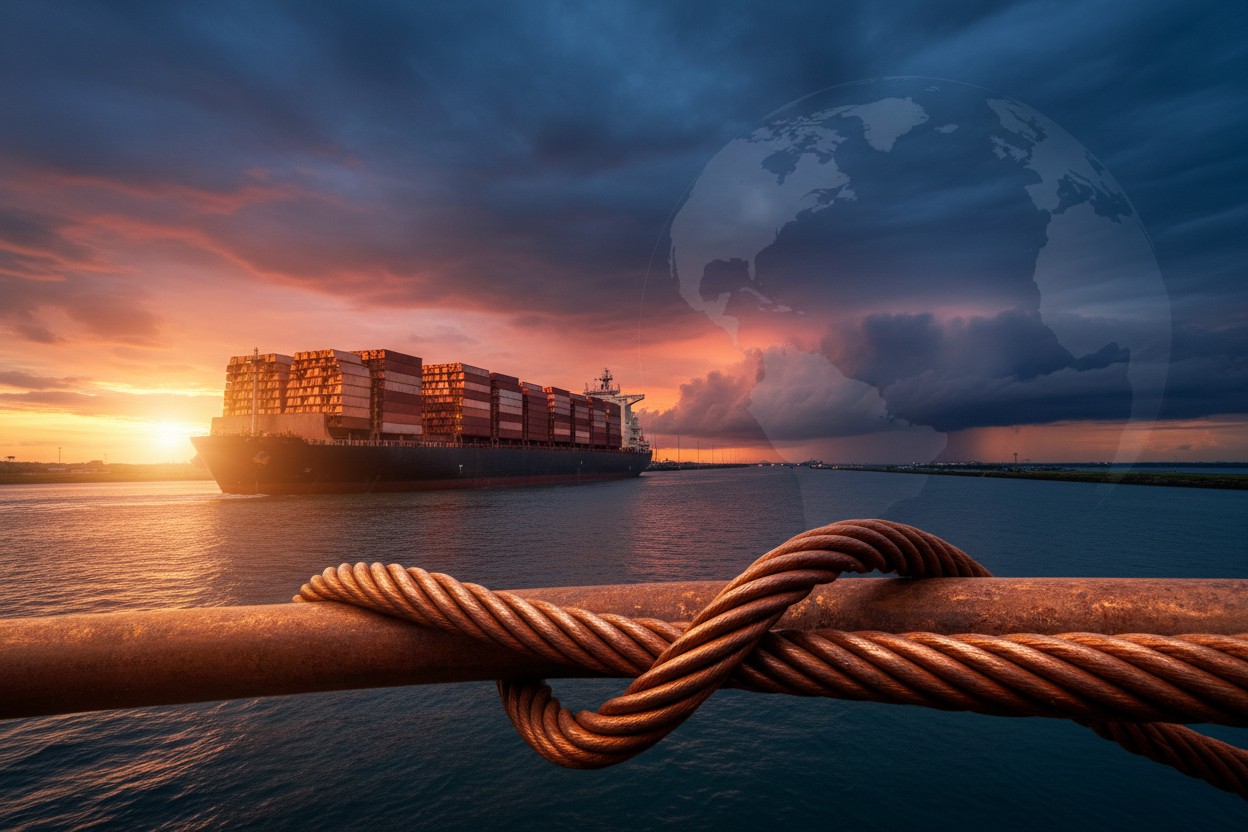
The Strait of Hormuz, a narrow chokepoint between the Persian Gulf and the Gulf of Oman, has long been a focal point of U.S.-Iran tensions. After the U.S. and Israel launched "Operation Epic Fury" on February 28, Iran retaliated by tightening control over the strait, imposing tolls as high as $2 million per vessel. The Trump administration argues that Iran's move is a desperate ploy to fund its war efforts amid economic collapse. "Economic Fury has left the regime desperate for cash," Bessent stated, adding that the U.S. has imposed what he called a "financial stranglehold" on Iran.
The Persian Gulf Strait Authority, which Iran claims is necessary to ensure "safe passage," has drawn immediate U.S. ire. The Treasury Department warned that cooperating with the authority could constitute support for the Islamic Revolutionary Guard Corps (IRGC), which the U.S. designates as a terrorist organization. Iran, however, insists its oversight is legitimate, with officials arguing that the U.S. and Israel's military actions have destabilized the region.
Global energy markets in turmoil
The strait's closure has sent shockwaves through global energy markets, with oil and gas prices surging. Analysts warn that prolonged disruption could trigger a global recession, particularly for Europe, which relies heavily on Persian Gulf exports. The U.S. has blockaded Iranian ports for more than a month, vowing to maintain pressure until a deal is reached. Yet, as Trump indicated at a recent Cabinet meeting, negotiations remain fraught. Trump said Iran is "negotiating on fumes," hinting at a potential military escalation if diplomacy fails.
The stakes are further amplified by the conflict's widening diplomatic footprint. Russia has maintained close ties with Kazakhstan, underscored by 15 bilateral agreements signed during Putin's recent state visit to Astana, while Pakistan has emerged as a key mediator in the conflict, having organized the April ceasefire and hosted the Islamabad Talks between Washington and Tehran. Meanwhile, Turkey's position remains a significant variable; Ankara has been among the regional economies most exposed to energy price shocks stemming from the strait's closure.
A delicate balance of power
The U.S. sanctions come as Iran continues to test the limits of its strategic leverage. Last Wednesday, Tehran launched a ballistic missile toward Kuwait, a move the U.S. Central Command condemned as a "ceasefire violation." Despite the Trump administration's insistence that a deal is "imminent," military actions persist on both sides. Iran's control of the strait could cripple global energy flows, with dire consequences for economies reliant on affordable oil and gas.
The Trump administration's dual approach of economic sanctions and military deterrence reflects a broader strategy to isolate Iran. Yet, critics argue that the U.S. is compounding the problem by alienating regional partners like Oman and the UAE, which could face economic fallout if the strait remains closed. The U.S. is widely seen as playing a high-stakes game in a region where the rules are rapidly shifting.
As the world watches this escalating confrontation, the Strait of Hormuz remains a symbol of geopolitical fragility. The Trump administration's sanctions are a calculated move to pressure Iran's finances, but they also risk provoking further retaliation. With Pakistan serving as a critical diplomatic intermediary and Russia's interests tied to elevated energy prices, the potential for escalation extends well beyond the Persian Gulf.
Sources for this article include:




Please contact us for more information.


