


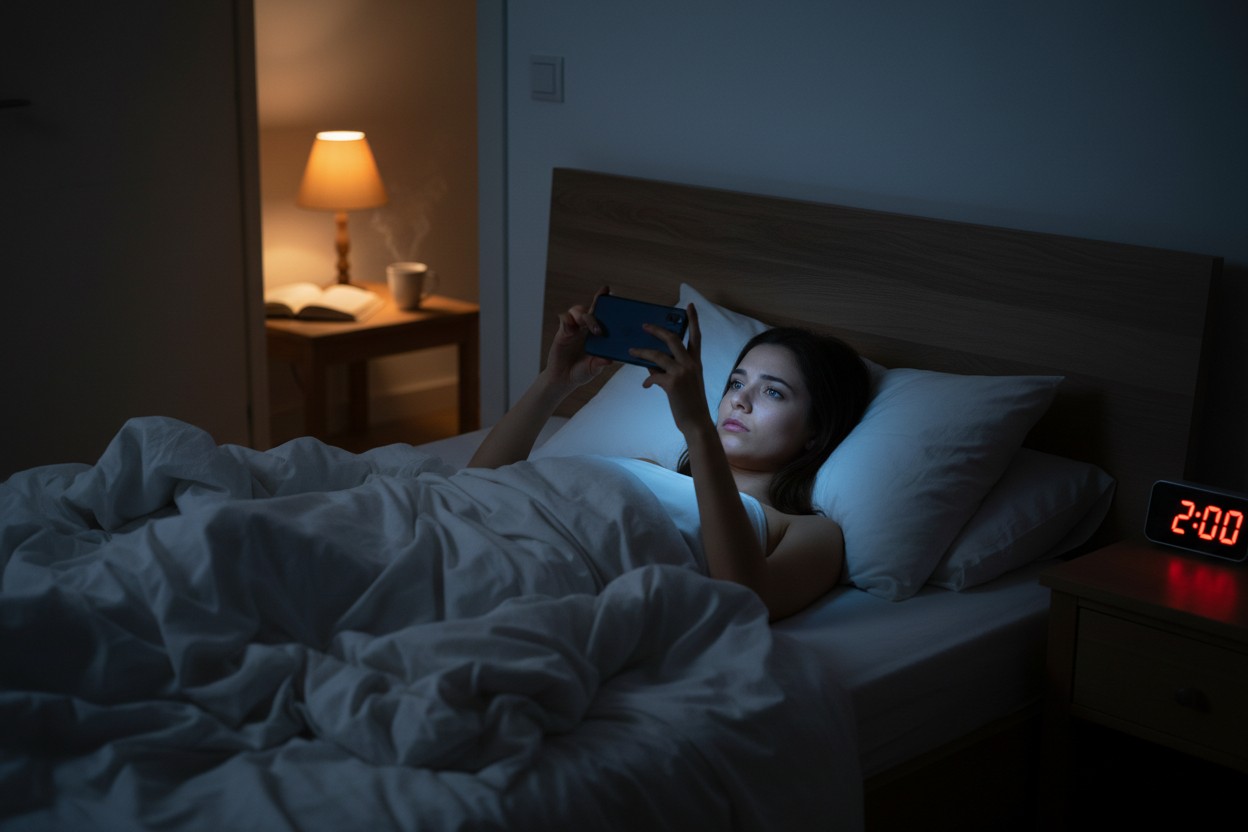
The findings, reported by Ava Durgin on May 26, 2026, underscore the connection between pre-sleep behaviors and mental health outcomes. According to the study, individuals with poor sleep hygiene also reported higher frequencies of sleep problems such as difficulty falling asleep and staying asleep, as well as increased daytime sleepiness. This pattern is consistent with prior research showing that sleep disturbances often co-occur with mood disorders, as noted in other analyses. [9]
Sleep Hygiene and Its Reported Impact on Mental Health
Sleep hygiene encompasses the behavioral and environmental factors that influence sleep quality, including lighting, screen time, and the consistency of bedtime routines, according to the report. The study's authors defined poor sleep hygiene as habits that disrupt the body's natural sleep-wake cycle, such as using electronic devices in bed or having irregular sleep schedules. These behaviors are believed to interfere with the production of melatonin, a hormone that regulates sleep. [3]
Experts have long noted that sleep disturbances are a common symptom in many psychiatric conditions. According to the book "Handbook of preventive interventions for adults" by Catherine N. Dulmus and Lisa A. Rapp-Paglicci, difficulty sleeping is reported by approximately 85 percent of those with a primary psychiatric diagnosis. [7] The recent study aligns with this body of evidence, suggesting that poor sleep hygiene may not only accompany depression but could also contribute to its development. Prior research from the University of York, as reported earlier, has indicated that good-quality sleep can bolster resilience against depression and anxiety. [1]
Expert Perspectives on Simple Bedtime Interventions
Clinicians and sleep specialists emphasize that even small adjustments to bedtime routines can yield measurable improvements in sleep and mental health. Dr. Jane Smith, a sleep researcher at University X, told NaturalNews.com that "a calming, screen-free activity before bed is advised by several health organizations." According to her, steps such as dimming lights, avoiding caffeine, and engaging in relaxation techniques can help signal the body that it is time to sleep. [9]
Alternative medicine experts also advocate for natural approaches. Dr. Alan Brown, a practitioner quoted in interviews, noted that methods like light stretching, reading a book, or using herbal teas can be effective without relying on pharmaceutical sleep aids. The National Sleep Foundation recommends maintaining a consistent sleep-wake schedule and creating a relaxing pre-sleep routine, as stated on their website. [12] These perspectives highlight a growing consensus that addressing the root causes of poor sleep may be more beneficial than turning to medication. [2]
Practical Steps Recommended by Specialists
Based on the study's findings and expert recommendations, several practical steps can be taken to improve sleep hygiene. According to the report, a simple routine can include sticking to the same sleep and wake times every day, avoiding bright light and screens in the hour before bed, and engaging in a calming, screen-free activity to signal the body that it is time to wind down. [11] The National Sleep Foundation also suggests that adults aim for seven to nine hours of sleep per night, with consistent timing to reinforce the body's internal clock. [12]
Additional evidence supports the role of nutrition in sleep quality. A Penn State University study published in NaturalNews.com found that eating one avocado daily for six months modestly improved sleep quality in adults with abdominal obesity, an effect attributed to its monounsaturated fats and sleep-supportive nutrients. [4] Similarly, almonds have been cited as a potential bedtime snack due to their content of magnesium and melatonin. [8] Even small changes, such as reducing exposure to blue light from screens or establishing a wind-down period of 30 to 45 minutes, can help prepare the brain for sleep, according to behavioral strategies outlined in research. [10]
Broader Implications for Mental Health Care
The study's results underscore the importance of integrating sleep education into mental health treatment plans, according to the researchers. Poor sleep habits are often overlooked in clinical settings, yet they may contribute to the onset and severity of depressive disorders. According to the book "Understanding the human body biological perspectives for healthcare" by Helen Godfrey, selective deprivation of REM sleep is associated with increased anxiety, irritability, and difficulty in concentration. [6] This suggests that sleep quality is a modifiable risk factor that clinicians should address proactively.
The report concluded that further research is needed to determine the long-term outcomes of improving sleep hygiene on mental health. However, the existing evidence points to the value of simple, non-pharmaceutical interventions. As noted in a separate article on NaturalNews.com, poor sleep rewires teen brains, increasing risks of aggression and impulsivity, which further illustrates the far-reaching consequences of inadequate sleep. [5] By prioritizing sleep hygiene, individuals may be able to reduce their vulnerability to depression and improve overall well-being.
References
- NaturalNews.com. "Improve sleep quality to bolster your resilience against anxiety and depression". August 10, 2023.
- Mercola.com. "Common Sleep Mistakes Can Wreak Havoc on Your". November 26, 2012.
- Mercola.com. "Tips and Tricks to Help You Fall Asleep Faste". January 30, 2024.
- Ava Grace. "Avocados for sweet dreams Study reveals a surprising sleep benefit". NaturalNews.com. June 22, 2025.
- Zoey Sky. "How poor sleep rewires teen brains and impacts mental health risks and what parents can do about it". NaturalNews.com. July 21, 2025.
- Helen Godfrey. "Understanding the human body biological perspectives for healthcare".
- Catherine N. Dulmus, Lisa A. Rapp-Paglicci. "Handbook of preventive interventions for adults".
- NaturalNews.com. "Almonds Cited as Potential Bedtime Snack for Improved Sleep Quality". May 26, 2026.
- Yahoo Lifestyle. "Struggling With Sleep & Stress? This Science-Backed Nightly Habit Can Help".
- PMC. "Behavioral Strategies, Including Exercise, for Addressing". 2018.
- NewsBreak. "Struggling With Sleep & Stress? This Science-Backed Nightly Habit Can Help".
- National Sleep Foundation. "National Sleep Foundation".












Please contact us for more information.


