


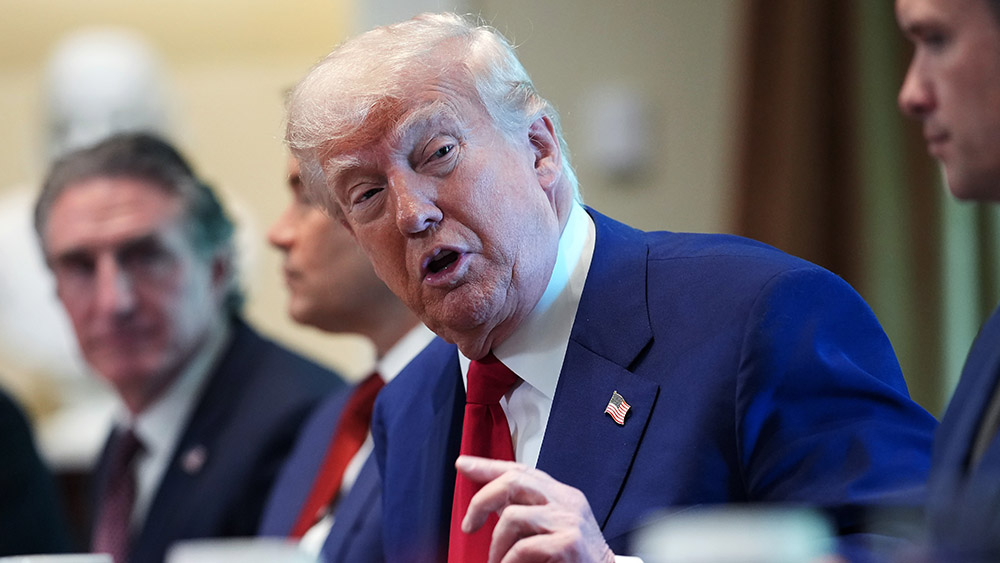
- atPresident Trump demands Iran's enriched uranium be destroyed in place or handed over to the U.S. for destruction, under international supervision.
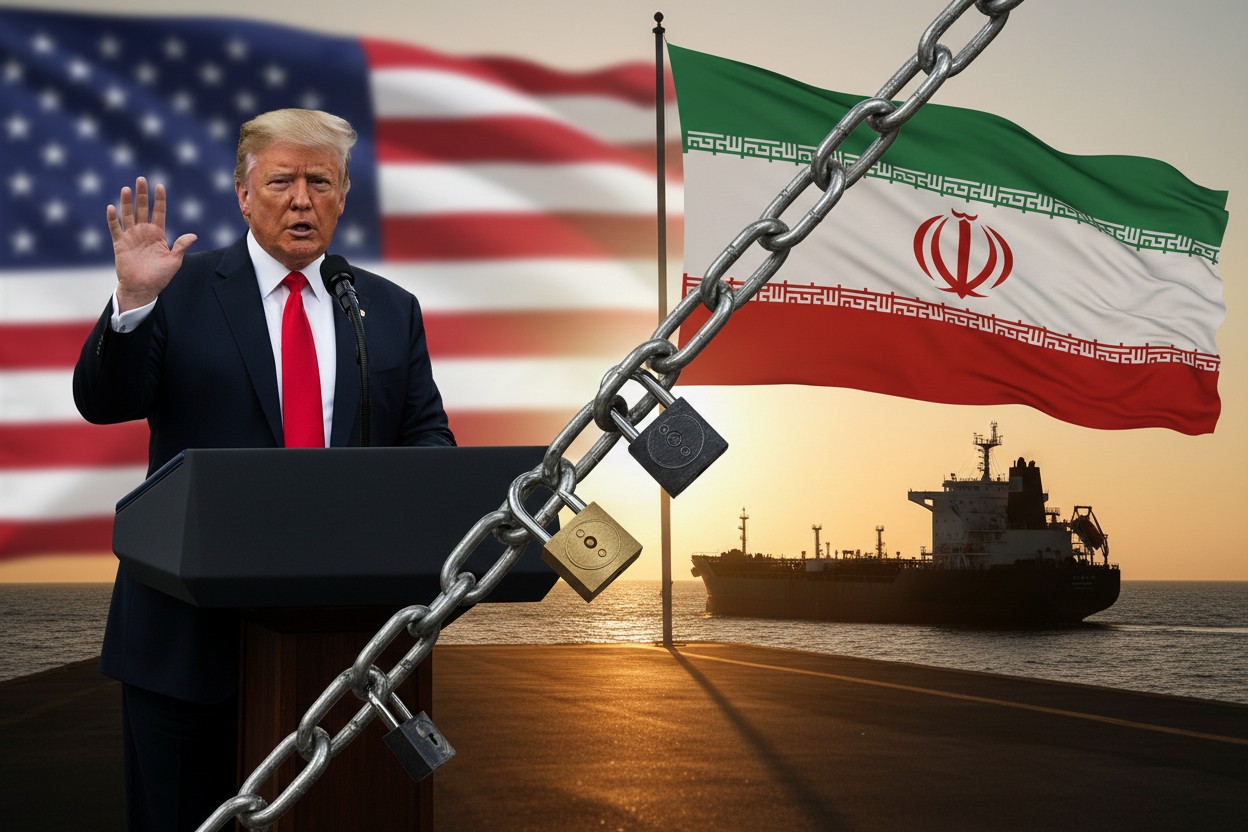
- High-stakes negotiations in Qatar aim to extend a 60-day truce and gradually reopen the Strait of Hormuz.
- Iran insists nuclear issues are not part of current talks, which focus on ending armed conflict with the U.S.
- U.S. and Israeli airstrikes have targeted Iranian nuclear facilities since June 2025, with Trump claiming they were "obliterated".
- The Trump administration dissolved the 2018 Obama-era nuclear deal and now seeks complete dismantlement of Iran's nuclear program.
The world's major powers face a critical juncture in Middle East diplomacy as the United States and Iran negotiate the fate of Tehran's enriched uranium stockpile amid ongoing military conflict, a partially closed Strait of Hormuz threatening global energy markets, and unresolved tensions following months of direct U.S.-Israeli airstrikes on Iranian nuclear facilities.
U.S. President Donald Trump on Monday outlined his conditions for disposing of Iran's enriched uranium as negotiators convened in Qatar for high-stakes talks aimed at de-escalating the conflict between the two nations. The discussions, mediated by Qatari officials, seek to extend a temporary ceasefire announced April 8 and address the reopening of the strategically vital Strait of Hormuz shipping lane.
Trump wrote on Truth Social that Iran's enriched uranium "will either be immediately turned over to the United States to be brought home and destroyed or, preferably, in conjunction and coordination with the Islamic Republic of Iran, destroyed in place" with international oversight from the Atomic Energy Commission or an equivalent body. The president has previously referred to the material as "nuclear dust," a nontechnical term for enriched uranium.
The collapse of the nuclear framework
The current crisis traces back to Trump's 2018 decision to withdraw from the Joint Comprehensive Plan of Action, the 2015 agreement that restricted Iran's uranium enrichment in exchange for sanctions relief. The administration argued the deal failed to address Iran's ballistic missile program or regional military activities. Tehran subsequently accelerated its enrichment program, producing uranium at purity levels approaching weapons-grade.
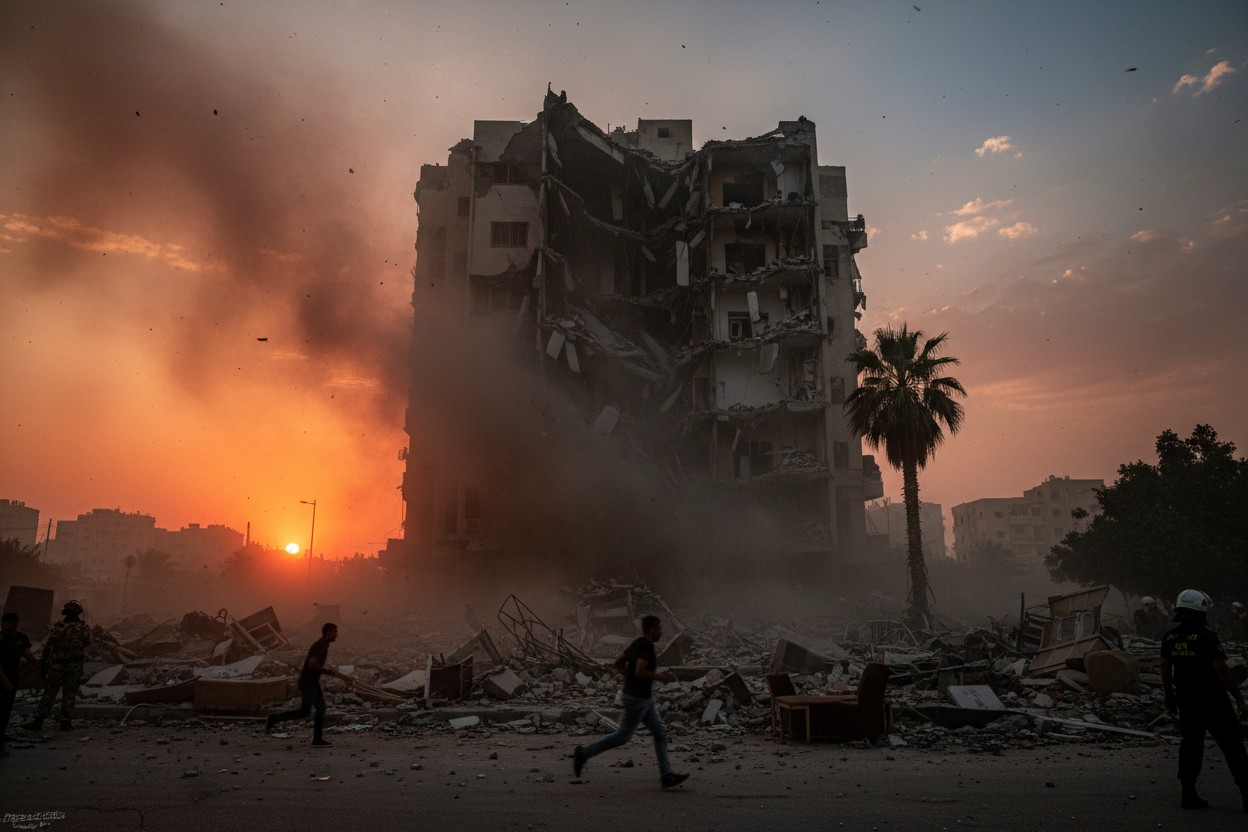
U.S. and Israeli airstrikes in June 2025 targeted Iran's Natanz enrichment facility, the Ardakan yellowcake production plant, and the Shahid Khondab Heavy Water Complex near Arak. Trump claimed the facilities were "obliterated," though some intelligence assessments expressed skepticism about the extent of damage. The strikes killed at least a dozen senior Iranian commanders and scientists, prompting Iranian ballistic missile retaliations against Israel.
After months of exchanges, a ceasefire was announced in April, with both sides now working toward a more comprehensive arrangement in Doha.
The negotiating positions
Trump's demand that Iran surrender its enriched uranium represents a significant escalation from previous U.S. positions. The administration has insisted Iran must completely dismantle its nuclear program, while Tehran maintains that uranium enrichment is its sovereign right under the Nuclear Non-Proliferation Treaty. Iranian officials have consistently denied seeking nuclear weapons.
Iranian Foreign Ministry spokesman Esmaeil Baqaei said Monday that current negotiations focus on ending the armed conflict and reopening the Strait of Hormuz. "At this stage, we are not discussing nuclear issues," he told reporters, according to the Associated Press.
Iranian President Masoud Pezeshkian told state television Sunday that Tehran was ready "to assure the world that we are not after a nuclear weapon." Iran's top negotiator, Mohammad Bagher Ghalibaf, reiterated on Friday that Iran would "not compromise on its rights" as a sovereign nation.
House Speaker Mike Johnson praised the administration's negotiating stance, stating on Fox News that the U.S. would "take care of the nuclear dust" and reopen the Strait of Hormuz, which would stabilize global energy prices.
Military realities and regional dynamics
The United States has reinforced its military presence in the Middle East throughout the conflict, deploying F-16, F-22 and F-35 fighter jets along with an aircraft carrier strike group. The Strait of Hormuz, through which approximately 20% of global oil passes, remains partially disrupted, affecting energy markets worldwide.
Brig. Gen. Reza Talayi-Nik of Iran's Ministry of Defense has warned that Israel "cannot endure a long war" and that continued conflict would break "the back of the Zionist regime." Iran has deployed new missile systems in its retaliatory strikes despite Israeli air defenses.
A fragile path forward
The Qatar talks represent the most serious diplomatic effort to resolve the crisis since hostilities began, though significant obstacles remain. Trump's demand for surrender of Iran's enriched uranium stockpile directly challenges Tehran's stated position that its nuclear program is peaceful and non-negotiable.
Reports indicate the draft agreement under discussion includes a commitment to negotiate the fate of Iran's enriched uranium over a 60-day period, suggesting both sides recognize the need for a phased approach. However, Iranian officials have made clear that ending military conflict remains the immediate priority.
The outcome of these negotiations will determine not only the future of Iran's nuclear program but also the stability of global energy markets and the broader security architecture of the Middle East. With both sides having demonstrated willingness to use military force, the path forward remains uncertain, but the Doha talks offer a potential off-ramp from the most serious U.S.-Iran confrontation in decades.
Sources for this article include:





Please contact us for more information.


