


- U.S. military reliance on SpaceX’s Starlink for critical operations has sparked a 500% pricing surge, inflating LUCAS drone costs to $60,000 each.
- Pentagon agreed to SpaceX’s demands despite arguing aviation-tier satellite fees were unjustified for brief drone use.
- SpaceX’s 10,000+ satellite monopoly gives it unchecked leverage, with no viable competitors to challenge its pricing or reliability.
- Military struggles to break free from Starlink, despite risks like outages in Ukraine and $500M+ demands for Iranian internet access.
- Critics warn private control of satellite infrastructure creates vulnerabilities, as SpaceX’s terms now shape national security strategy.
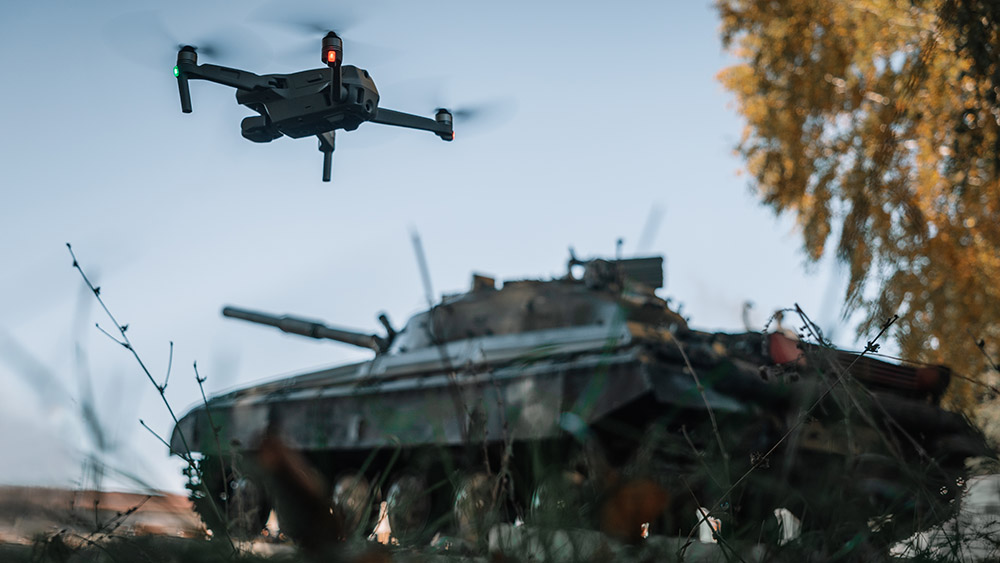
The U.S. military’s reliance on SpaceX’s Starlink satellite network has ignited a contentious pricing battle, as revealed by recent reports. At the heart of the dispute lies the Pentagon’s use of Starlink to guide LUCAS (Low-Cost Uncrewed Combat Attack System) drones during the costly Iran war.
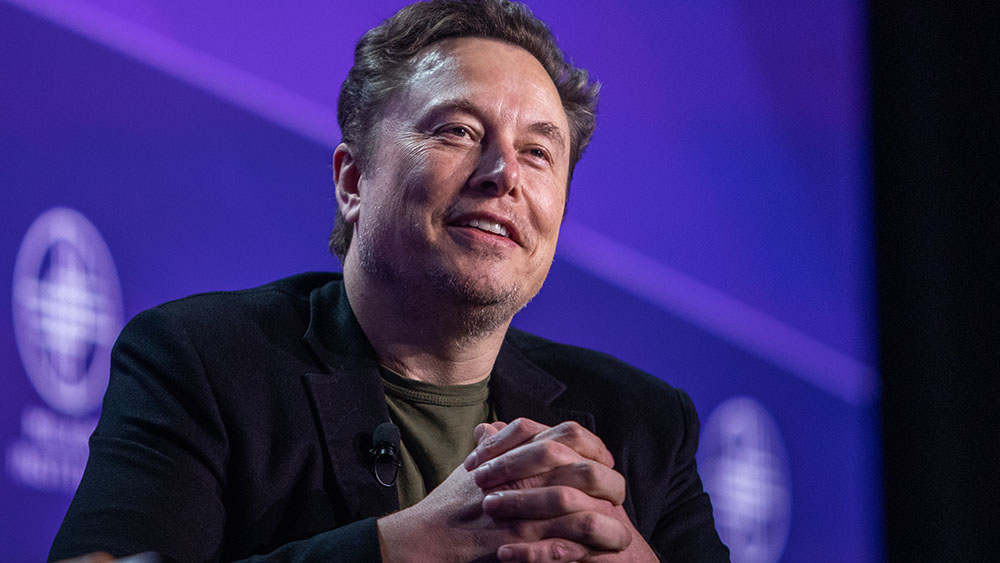
SpaceX, led by Elon Musk, argued that the military was underpaying for its use of the service, prompting a nearly 500% price hike per drone. The Pentagon ultimately agreed to the increase, nearly doubling the effective cost of each LUCAS drone once the $25,000 monthly Starlink fee was factored in. This agreement, though financially burdensome, underscores the military’s growing dependence on a private company for critical infrastructure.
The pricing conflict and the Pentagon’s dilemma
SpaceX’s Starlink service, originally designed for civilian use, became a linchpin for U.S. military operations in Iran. However, Musk’s company insisted the military’s use of Starlink for kamikaze drones violated its terms of service. SpaceX argued that the drones required a higher-tier “aviation” subscription, priced at $25,000 monthly, rather than the $5,000 “land/mobility” rate the Pentagon was initially paying. Pentagon officials disputed this, noting that the drones’ brief use of satellite connectivity (minutes or hours) made the aviation-tier pricing unjustified. Despite objections, the Pentagon caved to SpaceX’s demands, citing the lack of viable alternatives.
SpaceX’s market dominance
The Pentagon’s predicament stems from SpaceX’s unparalleled dominance in satellite technology. With over 10,000 satellites in low-Earth orbit, Starlink accounts for more than 60% of global satellite coverage. Competitors like Amazon’s Project Kuiper and OneWeb remain nascent or underdeveloped, leaving the military with few options.
“SpaceX certainly has the U.S. government over the barrel,” said Clayton Swope, a defense expert at the Center for Strategic and International Studies. This monopoly allows SpaceX to dictate terms, even as the Pentagon scrambles to reduce costs in a war costing billions daily.
This isn’t the first time SpaceX has leveraged its power. During the Ukraine war in 2022, Musk abruptly cut off Starlink service in parts of Ukraine, disrupting a key counteroffensive against Russian forces. Similarly, in 2025, SpaceX’s satellite outages disrupted U.S. Navy tests, leaving unmanned boats adrift. Now, with the Pentagon seeking to provide direct-to-cell Starlink service for Iranians facing internet blackouts, SpaceX proposed a $500 million launch fee and $100 million monthly operational costs, prompting alarm among defense officials.
Despite the Pentagon’s insistence on fostering a competitive satellite market, no rival can match SpaceX’s scale. The Commercial Satellite Communications Office is exploring “additional options” with other providers, but progress is slow. Pentagon officials, including Deputy Defense Secretary Steve Feinberg, remain uneasy about SpaceX’s leverage. Yet, with thousands of Starshield subscriptions already planned, the military’s reliance on Musk’s company appears inescapable for now.
The cost of dependence
The financial implications are staggering. Each LUCAS drone now costs roughly $60,000 — approximately $35,000 for the unit itself plus the new $25,000 monthly Starlink fee. With plans to purchase 3,500 more Starshield subscriptions, SpaceX could reap hundreds of millions annually. This financial burden compounds the Iran war’s already exorbitant costs, which hit $12.7 billion in just six days. Pentagon officials argue that Starlink’s efficiency justifies the expense, but critics warn of long-term vulnerabilities.
SpaceX’s influence extends beyond pricing. By controlling access to satellite infrastructure, Musk indirectly shapes military strategy. His company’s ability to dictate terms highlights a dangerous precedent: private entities holding critical national security tools. As SpaceX prepares for an IPO, its government contracts, which are now a 20% revenue source, could become even more lucrative, further entrenching its dominance.
The Starlink dispute exemplifies a broader shift in modern warfare: reliance on private tech giants. While SpaceX’s innovations have revolutionized battlefield communications, the lack of competition leaves the Pentagon vulnerable to price gouging and strategic manipulation. As the Pentagon scrambles to find alternatives, one question lingers: Can national security thrive when a single private company holds the keys to global satellite infrastructure?
Sources for this article include:








Please contact us for more information.


