


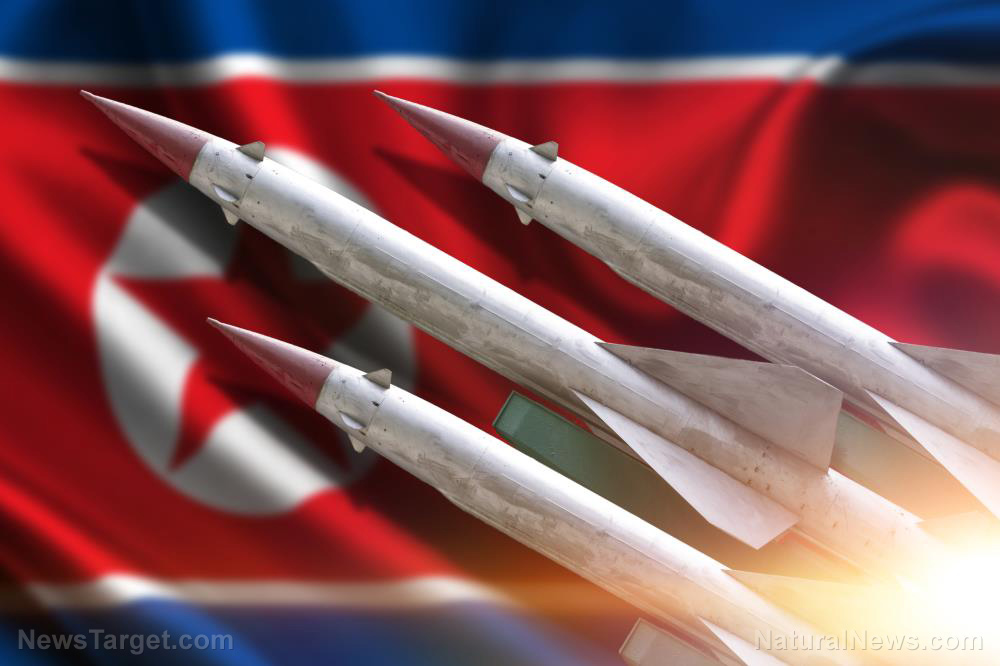
- North Korea tested AI-guided tactical cruise missiles with autonomous navigation systems, signaling advanced military modernization.
- The regime expanded its arsenal with long-range artillery rockets and lightweight missiles near the South Korean border.
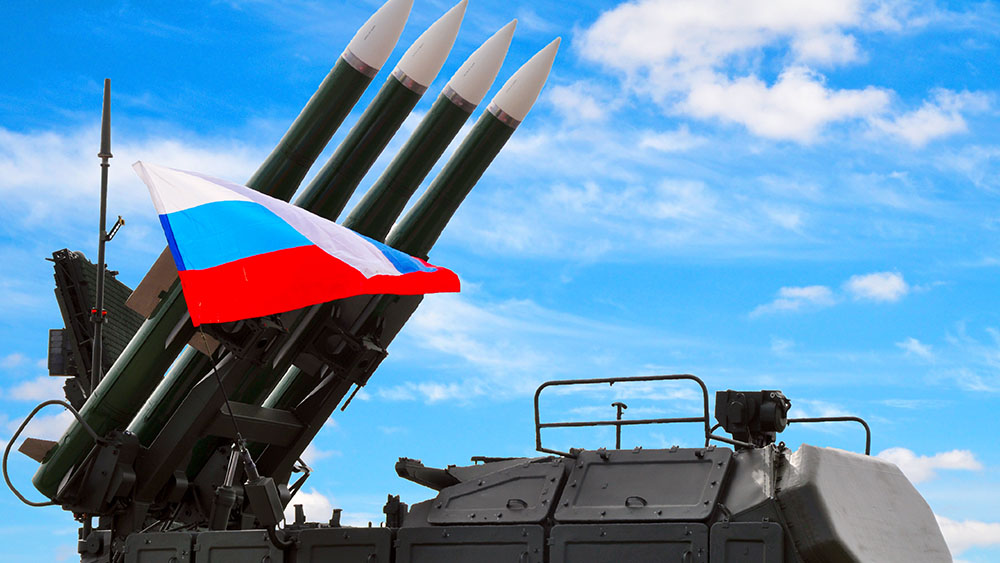
- Russia and China recently condemned Western sanctions, forming a new axis of support for Pyongyang’s aggression.
- South Korea’s president advocates for nuclear submarines and AI-driven defenses amid growing regional threats.
- North Korea’s AI integration in weapons raises ethical concerns and risks triggering an autonomous arms race in Asia.
North Korea launched a barrage of new weapons systems into the sea yesterday, including an AI-guided tactical cruise missile, marking a dramatic escalation in its militarization efforts. The tests, overseen by Kim Jong-un, showcased Pyongyang's growing technological prowess and defiance of international norms. With Seoul, the South Korean capital, just 30 miles from the border, the world has reason to worry. This is a calculated move to signal strength amid shifting global alliances and a regional arms race.
A new era of AI-guided warfare
North Korea's tactical cruise missile, equipped with "ultra-precision autonomous navigation" and AI terminal guidance, represents a leap forward in its military capabilities. The weapon, which can strike targets up to 100 km away, uses TERCOM terrain-mapping and artificial intelligence to identify and home in on targets. As KCNA reported, Kim Jong-un expressed "great satisfaction" with the results, citing "major technical progress" in modernizing the Korean People's Army.
This is the first time North Korea has publicly acknowledged using AI in missile targeting—a development that experts say could revolutionize its ability to bypass defenses. "It's about using AI when recognizing the target and guiding the missile," noted Yang Uk of the Asan Institute, highlighting the potential for greater precision in future strikes.
Expanding arsenal, expanding threats
The May 26 tests weren't limited to cruise missiles. North Korea also fielded a 240mm guided artillery rocket with an expanded range and a lightweight multi-purpose missile system. These weapons, KCNA claimed, were designed to "suit the conditions of modern warfare." Kim emphasized their deployment near the border with South Korea, where they could target Seoul's densely populated districts. The timing is telling: the tests came just days after Russia and China publicly opposed U.S.-led sanctions and Western pressure on Pyongyang.
Their joint statement condemned "foreign policy isolation" and military threats, signaling a new axis of support for North Korea's belligerence.
North Korea's military buildup isn't random. Since 2019, Kim has prioritized nuclear and conventional modernization, spurred by failed diplomacy with Donald Trump and the collapse of denuclearization talks. Recent ties with Russia, such as supplying artillery and troops to Ukraine, are believed to have provided Pyongyang with battlefield data to refine its weapons. Meanwhile, China's economic lifeline ensures the regime remains insulated from sanctions. This alliance of convenience has emboldened Kim to push harder against South Korea, which he now calls his "most hostile enemy."
South Korea's dilemma: Strength vs. diplomacy
President Lee Jae Myung's recent push for a nuclear-powered submarine and AI-driven military upgrades underscores the urgency. "We must take responsibility for and protect our own security ourselves," Lee declared, echoing his administration's pivot toward self-reliance.
Yet his calls for dialogue with the North are at odds with Pyongyang's belligerence. With Seoul in striking range of North Korea's new missiles, the stakes are clear: every test is a countdown to crisis.
The international community's fragmented response risks normalizing North Korea's aggression. While the U.S. and South Korea bolster defenses, Russia and China shield Pyongyang from consequences. This imbalance rewards escalation and undermines deterrence. As Kim consolidates power with advanced weapons and geopolitical allies, the Korean Peninsula inches closer to a flashpoint.
North Korea's integration of AI into its military arsenal raises ethical and strategic questions. If these systems become more autonomous, how will they be controlled? Will they trigger an AI arms race in Asia? The answers remain uncertain, but one thing is clear: the era of conventional deterrence is fading.
A tipping point for the region
North Korea's May 26 tests are a warning shot and a reminder that the Korean Peninsula's stability hinges on proactive diplomacy and military readiness. As Kim's regime weaponizes AI and modernizes its arsenal, the world must decide whether to confront this threat head-on or risk a future where rogue states dictate the rules.
Sources for this article include:







Please contact us for more information.


