


Key points:
- A French NutriNet-Santé study tracked 112,395 adults for a median of 7.9 years, identifying 2,450 cardiovascular disease cases and 5,544 high blood pressure cases.
- Researchers analyzed 58 individual preservative additives using brand-specific food records, offering unprecedented precision.
- Potassium sorbate (E202) was linked to a 39% higher risk of high blood pressure, while sodium nitrite (E250) was linked to a 16% higher risk.
- Citric acid (E330), found in 91.3% of participants’ diets, was associated with a 25% higher risk of high blood pressure.
- The associations held up after adjusting for age, BMI, sodium intake, sugar, saturated fat, and ultra-processed food consumption.
- 99.5% of participants had a non-zero intake of preservative additives, meaning virtually everyone was consuming them regularly.
- Nitrites in processed meats form N-nitroso compounds, which are linked to insulin resistance and cardiovascular damage.
- The additive form of ascorbic acid (E300) was associated with higher CVD risk, while natural vitamin C from whole foods is protective.
The illusion of safety: Why chemically identical additives are not the same as nutrients
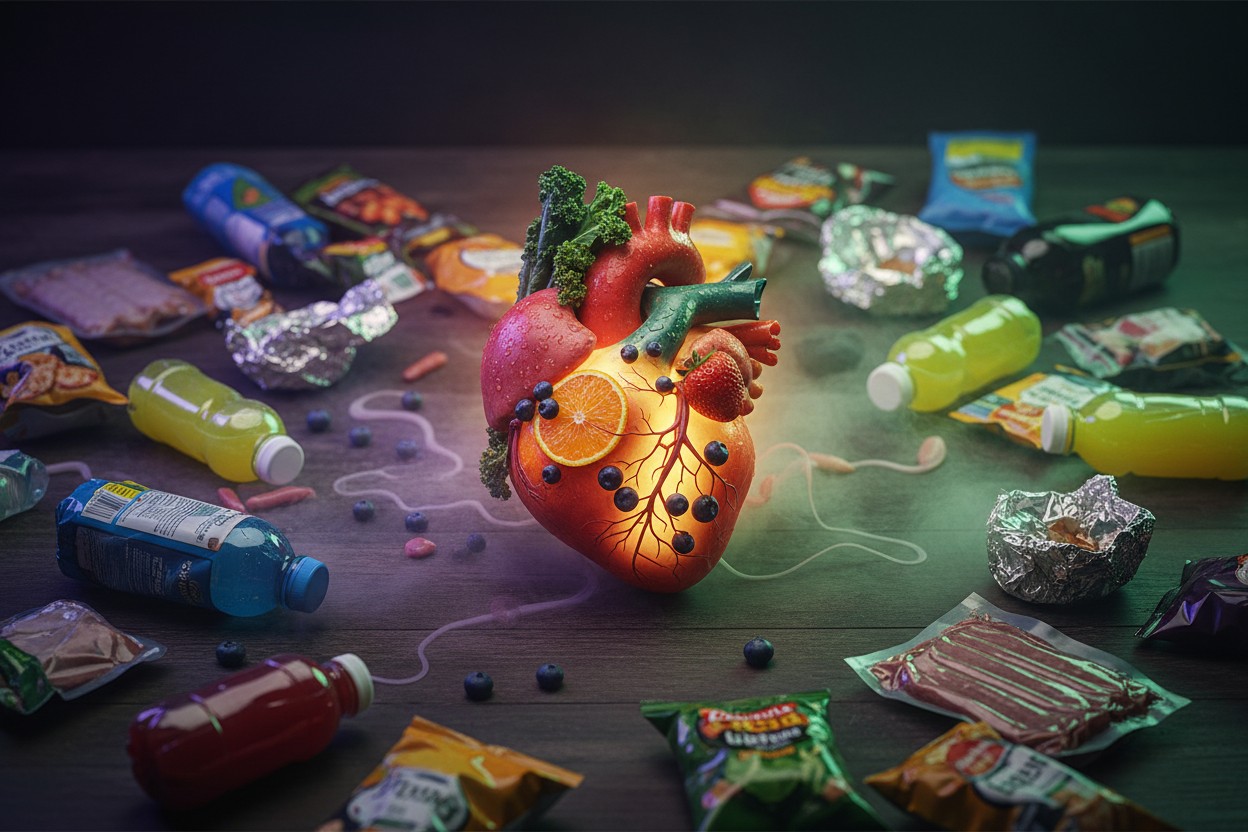
The study published in the European Heart Journal reveals a disturbing paradox that challenges reductionist thinking about nutrition. Ascorbic acid, listed as E300 on ingredient labels, is chemically identical to vitamin C. Yet the research found that consuming this additive was associated with a 14% higher risk of high blood pressure and a 15% higher risk of cardiovascular disease. How can the same molecule be protective in an orange but harmful in a packaged snack? The answer lies in what the reductionists refuse to acknowledge: context matters. When you eat vitamin C in a whole fruit, it arrives with fiber, flavonoids, and co-factors that govern its absorption and metabolism.
When you consume it as an isolated additive in a processed product, it hits your bloodstream differently, at different doses, and interacts with other synthetic compounds. The same distinction applies to nitrates. Nitrates from beets and spinach have been linked to cardiovascular benefits. Nitrites from deli meat, however, interact with meat proteins to form N-nitroso compounds, which are known risk factors for insulin resistance and subsequent hypertension. The chemical industry has convinced regulators that identical molecules produce identical effects, but the human body knows better. It is not the molecule alone that matters. It is the company it keeps.
Where they hide and what to do about it
The most alarming finding from the NutriNet-Santé study is not that these additives exist, but that they are inescapable. 99.5% of participants consumed them regularly. The primary sources are predictable but pervasive. Sodium nitrite (E250) and sodium erythorbate (E316) dominate processed meats, including deli turkey, ham, bacon, hot dogs, and cured sausages. 54% of nitrite intake came from processed meat, and 42.1% of erythorbate intake came from the same category.
Sulphites (E220 through E228) are hiding in 83.7% of alcoholic beverages, primarily wine, but also in dried fruits, packaged soups, and condiments.
Potassium sorbate (E202) is widespread in packaged baked goods, cheese, yogurt, and processed snacks. Citric acid (E330), which 91.3% of participants consumed, lurks in soft drinks, canned goods, packaged snacks, and flavored beverages. The study also highlighted that 16% of the link between non-antioxidant preservatives and cardiovascular disease was mediated by high blood pressure, while 5% was mediated by type 2 diabetes, pointing to clear biological pathways.
Changing your diet requires more than counting calories or reducing sodium. It requires reading ingredient lists with suspicion and prioritizing fresh meat over deli slices, plain yogurt over flavored varieties, and whole grains over packaged cereals.
Sources include:







Please contact us for more information.


