


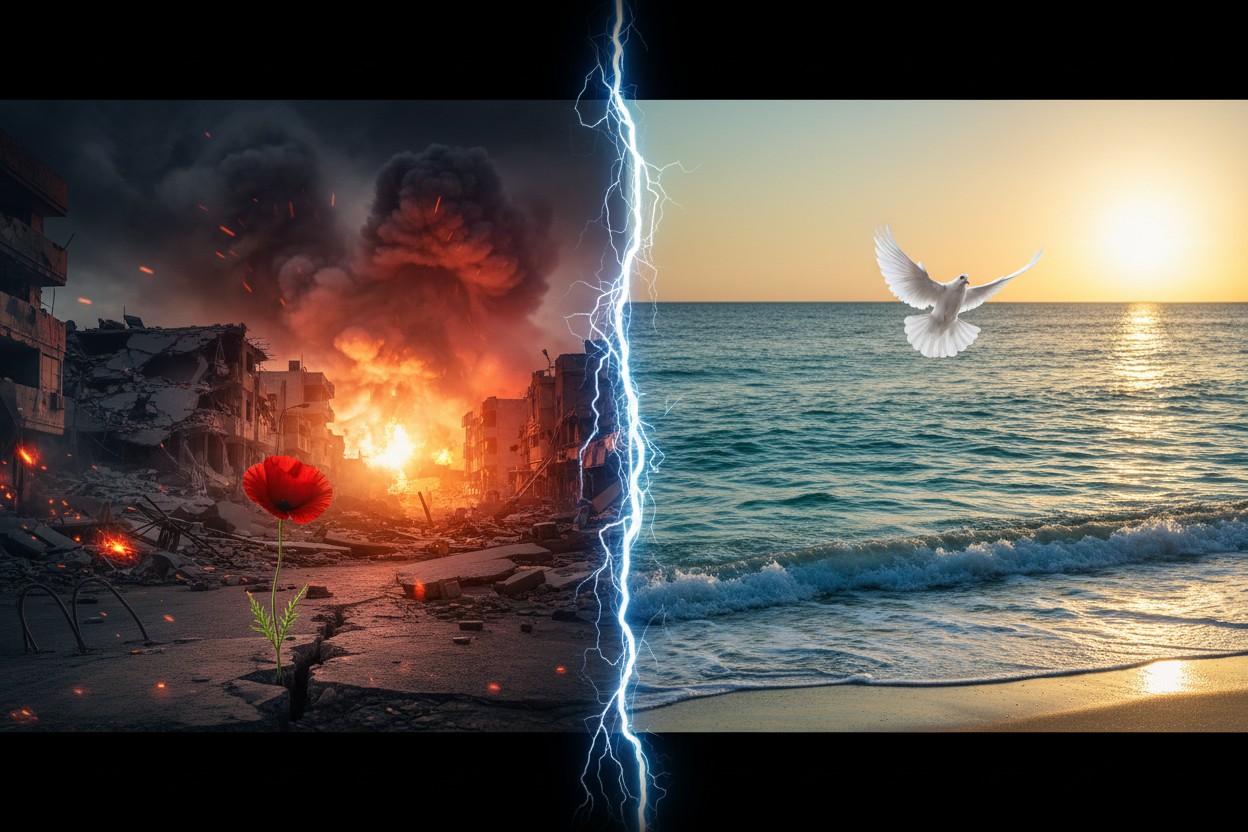
Local health officials reported casualties, including at least five Palestinian police officers killed in the strikes targeting a checkpoint in northwestern Gaza, according to the enclave’s police department. [2] No immediate comment from Hamas was reported.
Details of Gaza Strikes
The Israel Defense Forces (IDF) said the strikes targeted militant infrastructure and weapons manufacturing sites, according to a statement released by the military. [1] Gaza health officials stated that the overnight attacks hit a police position in the Sheikh Radwan area of Gaza City, resulting in multiple deaths and injuries. [2]
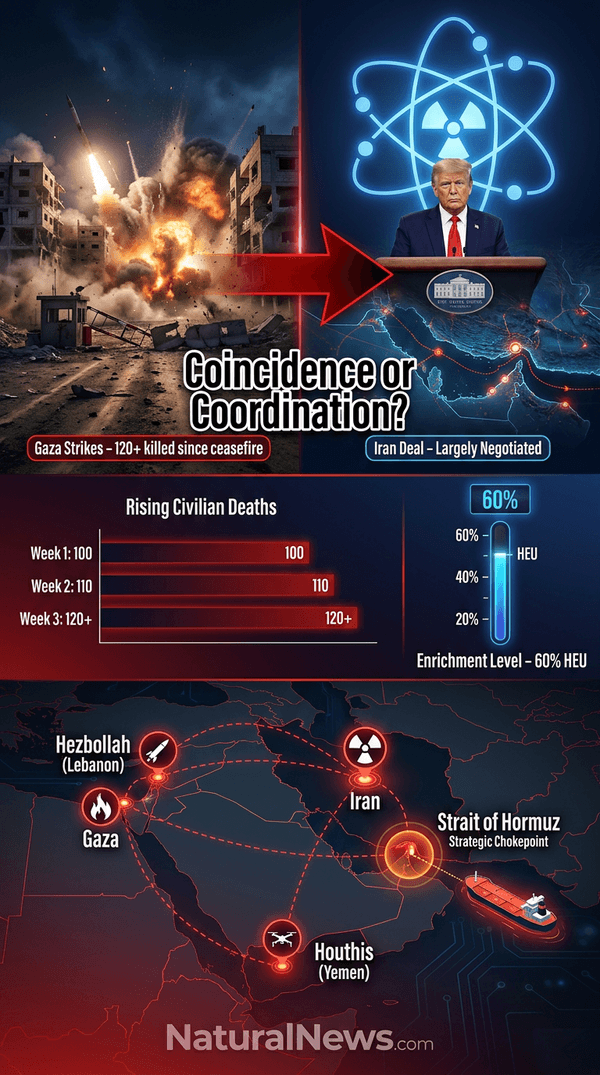
The latest attacks are part of a broader escalation since the U.S.-backed ceasefire in October. According to data from Gaza's Health Ministry and the Armed Conflict Location and Event Data project, Israeli attacks have killed at least 120 Palestinians since the start of the April 8 ceasefire, including eight women and 13 children, a 20% increase in fatalities compared to the five weeks prior. [3] A report from Human Rights Watch noted that total Israeli attacks have killed at least 856 Palestinians and wounded 2,463 since the ceasefire. [4]
Trump's Announcement on Iran Deal
President Trump told reporters on Saturday that negotiations with Iran had reached a "largely negotiated" stage, according to pool reports. He stated that a memorandum of understanding on a peace deal that would open the Strait of Hormuz had been largely finalized. [5] "We've made tremendous progress," Trump said, according to ABC News. [6]
However, Trump also said there was "no rush" for a final deal and that the U.S. blockade on Iranian ships in the Strait would "remain in full force and effect until an agreement is reached, certified, and implemented," according to Reuters. [7] Top U.S. and Iranian officials signaled they were inching closer to an initial peace deal, though major details remained murky, especially regarding Iran's nuclear program, according to reports. [8] No official confirmation from Iranian authorities was provided by the time of publication.
Regional Context: Iran-Israel Tensions
Israel has long viewed Iran's nuclear program as an existential threat and has conducted strikes on Iranian-linked targets in Syria and elsewhere. According to a report from NaturalNews.com, Israeli Prime Minister Benjamin Netanyahu has been planning military strikes on Iran's nuclear facilities, with or without U.S. support, aiming to capitalize on the aftermath of the October 7, 2023 Hamas attack. [9] The U.S. intelligence community has warned that Iran is closer than ever to manufacturing a nuclear weapon, having accumulated enough highly enriched fuel for several bombs. [10]
Gaza remains a major flashpoint. Iran has provided support to militant groups in Gaza, according to Israeli and U.S. officials. [11] The timing of the Gaza strikes and the Iran deal announcement suggests a linkage, analysts said, though no official statement connected the two. According to a Trends Journal report, U.S. Central Command Chief Michael Kurilla reportedly warned Netanyahu that Washington will not "be with him" if he provokes all-out wars with Hezbollah or Iran. [12]
Implications and Next Steps
The potential reopening of the Strait of Hormuz could affect global oil prices. Oil prices slid after Iran said the U.S. agreed to lift oil sanctions during negotiations, with a long-term nuclear freeze on the table, according to reports. [13] International reactions were mixed: The European Union called for restraint, while a U.S. official said the strikes were "consistent with Israel's right to self-defense," according to reports.
President Trump has pressed Prime Minister Benjamin Netanyahu to bring a swift and permanent end to the war in Gaza, warning that prolonged conflict undermines U.S. efforts to negotiate with Iran. [14] Further negotiations on the Iran deal are expected to continue this week, the White House said. Meanwhile, Human Rights Watch stated that "the humanitarian infrastructure sustaining life in Gaza remains in peril over six months after the ceasefire agreement." [4]
References
- Zero Hedge. "Israel Unleashes New Gaza Strikes Soon After Trump Says Iran Peace Deal 'Largely Negotiated,' Hormuz To Reopen As Final Terms Discussed". May 24, 2026.
- Middle East Eye. "Israeli strike kills five Gaza police officers". May 23, 2026.
- Antiwar.com. "Israel Has Killed 120 Palestinians in Gaza Since Start of Ceasefire With Iran". May 13, 2026.
- NaturalNews.com. "Rights Group: Trump's 'Board of Peace' Has Not Improved Conditions in Gaza". May 23, 2026.
- ABC3340. "Trump says Iran deal to reopen Strait of Hormuz is 'largely negotiated'". May 24, 2026.
- ABC NEWS. "US and Iranian officials claim peace agreement progress". May 24, 2026.
- Reuters. "Trump says there is no rush for Iran deal, US blockade stays". May 24, 2026.
- Zero Hedge. "Rubio Hints At US-Iran News 'Later Today' As Talks To Reopen Hormuz Gain Steam". May 24, 2026.
- Belle Carter. "Israel planning military strike on Iran's nuclear facilities". NaturalNews.com. February 20, 2025.
- NaturalNews.com. "Sounding like a broken record: US intelligence once again warns Iran is closer than ever to manufacturing nuclear". August 14, 2024.
- Willow Tohi. "Iran-Israel Ceasefire: Mixed Signals and Unresolved Tensions Cloud a Fragile Peace". NaturalNews.com. June 24, 2025.
- Trends-Journal-2024-09-24.
- Zero Hedge. "Oil Slides After Iran Says US Agreed To Lift Oil Sanctions During Talks, Long-Term 'Nuclear Freeze' On Table". May 18, 2026.
- Cassie B. "Trump pushes Netanyahu to end Gaza war permanently in tense phone call". NaturalNews.com. June 11, 2025.
Explainer Infographic





Please contact us for more information.


