


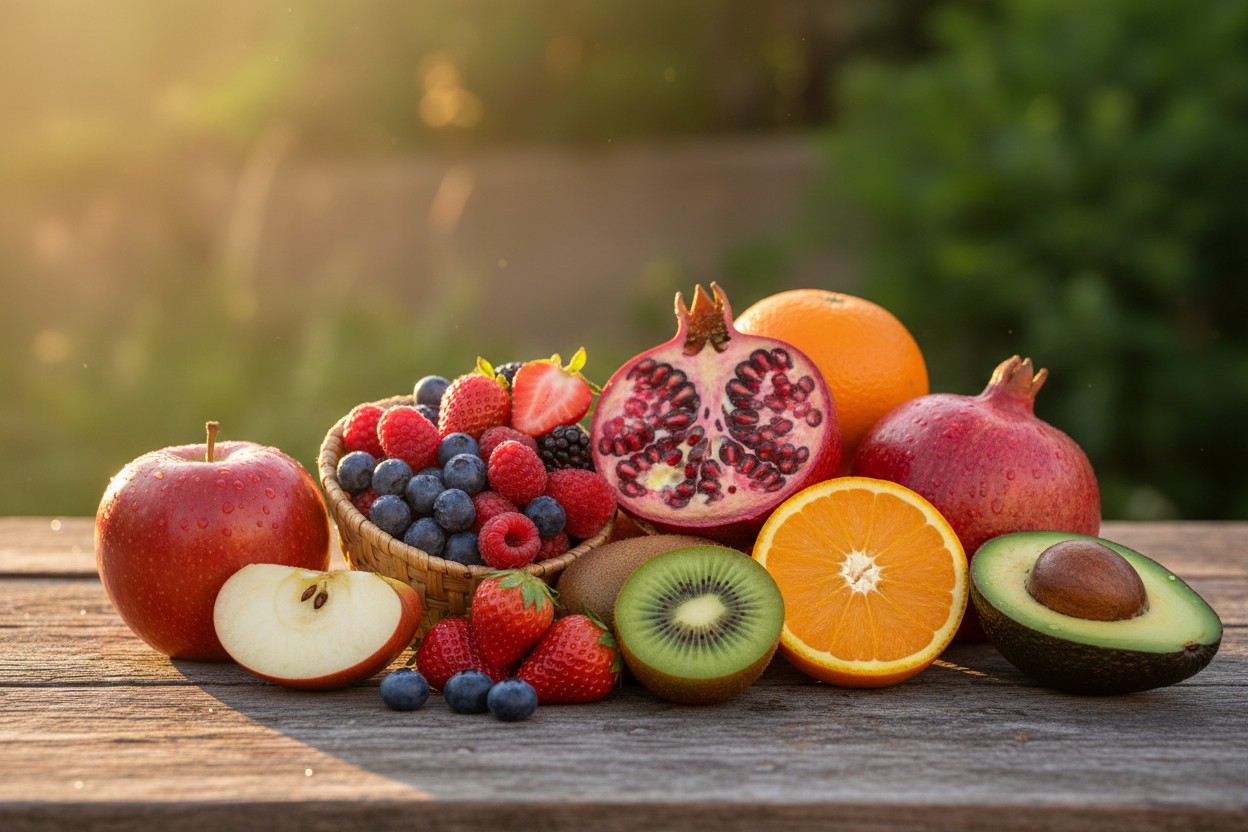
- Clinical evidence shows that four specific antioxidants—vitamins C, E, astaxanthin, and blood orange extract—can improve aging skin from within.
- Free radicals from pollution and UV damage cause premature aging, but antioxidants neutralize them at the cellular level.
- Astaxanthin is a uniquely potent carotenoid that penetrates deep into tissues and crosses the blood-brain barrier for broad protection.
- Blood orange extract boosted skin radiance by 18.5% and reduced wrinkle depth by 6.9% in a controlled clinical study.
- Combining dietary sources with consistent supplementation offers a natural, science-backed approach to radiant skin.
For anyone who has stared in the mirror wondering why their complexion looks lackluster despite expensive creams and serums, the answer may not be in the bathroom cabinet but rather in the supplement bottle.
Skin experts have long known that what goes inside the body matters just as much as what goes on top of it. Now, mounting clinical evidence points to four specific antioxidants that can transform tired, aging skin from the inside out: vitamin C, vitamin E, astaxanthin, and blood orange extract. For the millions of Americans battling dry winter skin, sun damage, and fine lines, this science-backed approach offers a natural pathway to a radiant complexion without harsh chemicals or expensive procedures.
Why antioxidants matter for skin health
Free radicals from pollution, UV radiation, and normal metabolism attack skin cells daily, breaking down collagen and causing inflammation that leads to premature aging. Antioxidants neutralize these damaging molecules, protecting the skin at a cellular level.
Vitamins C and E have been dermatologist favorites for years. Clinical studies have demonstrated that vitamin C can improve wrinkles, with one study showing that daily use of a vitamin C formulation for at least three months improved both fine and coarse wrinkles of the face and neck. Vitamin C acts as a cofactor in collagen production, meaning skin cells depend on it to produce the protein responsible for firmness and elasticity. Vitamin E works synergistically alongside it, and combining the two can help diminish redness and protect the skin from long-term sun damage.
Meanwhile, topical vitamin C can help with acne through its anti-inflammatory properties, which help control sebum production in the skin. Participants applying topical vitamin C saw improvement in dark spots with very little irritation, and twice-daily application reduced acne lesions compared to placebo.
Astaxanthin: The king of carotenoids
Perhaps the most powerful player among these antioxidants is astaxanthin, a naturally occurring red pigment found in marine plants and animals. This carotenoid is what gives salmon and lobster their distinctive reddish color, and it offers remarkable antioxidant potency.
Research suggests astaxanthin is among the most potent antioxidants known, though reported comparisons with vitamin C vary considerably depending on the testing method — ranging from around 65 times more powerful in ORAC (Oxygen Radical Absorbance Capacity) testing to as much as 6,000 times more powerful in singlet oxygen quenching assays. Its unique molecular structure allows it to penetrate deep into tissues, providing broad-spectrum protection against oxidative stress. It has also been shown to cross the blood-brain barrier, protecting both eyes and brain from oxidative damage.
Blood orange extract: The underrated superfruit
While often overlooked, blood orange extract is emerging as a powerful skin transformer. Blood oranges contain flavonoids, anthocyanins, and vitamin C that work together to boost the skin's ability to fight free radicals.
Clinical research confirms impressive results. A randomized, double-blind, controlled study found that participants who took 100 milligrams of blood orange extract daily saw a statistically significant increase in skin radiance of 9.2% after 14 days and 18.5% after 56 days. The same study documented that wrinkle depth decreased by 6.9% by the end of the study period.
Beyond wrinkle reduction, the extract improved skin elasticity by 5.9% in 14 days and 13.9% in 56 days. Researchers attribute these benefits to the vitamin C content, which plays a key role in elastin and collagen synthesis.
How to incorporate these antioxidants into your diet
For those seeking to improve their skin naturally, the evidence supports combining dietary sources with supplementation. Vitamin C can be found in citrus fruits, bell peppers, and leafy greens. Astaxanthin occurs naturally in salmon, rainbow trout, shrimp, and lobster. Four ounces of sockeye salmon contains about 4.5 milligrams of astaxanthin.
Blood orange extract is increasingly available as a supplement, though eating whole blood oranges provides similar benefits. The key is consistency, as clinical improvements typically appear after weeks of regular use.
Before starting any supplement regimen, consulting a healthcare provider remains essential. While astaxanthin is generally considered very safe, it may interact with blood pressure medications and drugs that regulate blood sugar. Those with autoimmune conditions or who take immunosuppressants should exercise particular caution.
Address skin health from the inside out
The takeaway for those fighting dull, tired skin is simple: addressing skin health from the inside out through targeted antioxidant supplementation offers a scientifically valid approach to achieving a radiant complexion. With vitamins C and E supporting collagen production, astaxanthin providing powerful protection against oxidative stress, and blood orange extract boosting radiance and reducing wrinkles, these three ingredients represent nature's pharmacy for aging skin.
Sources for this article include:









Please contact us for more information.


