


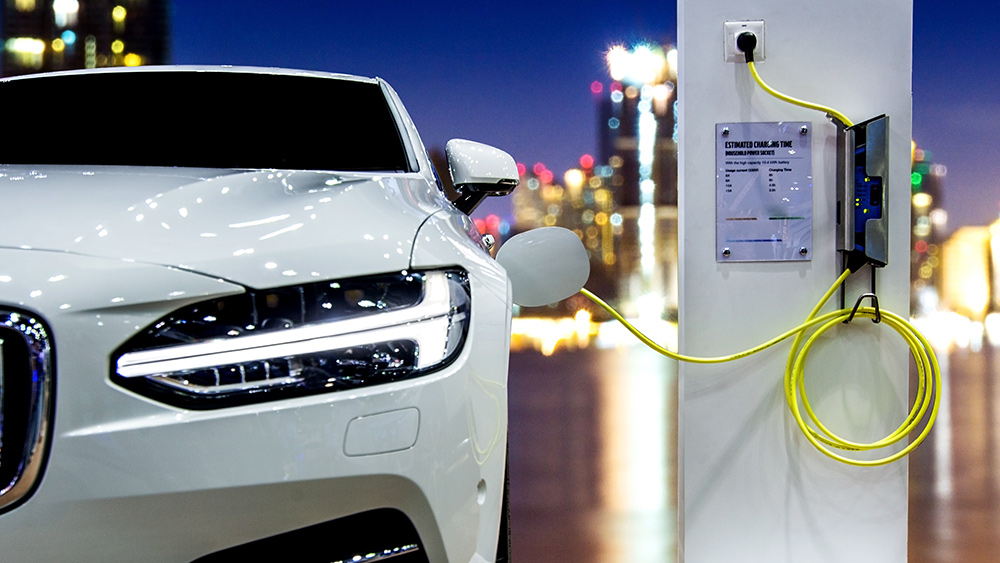
- A bipartisan bill in the U.S. House would charge electric vehicle (EV) owners $130 per year and plug-in hybrid owners $35 per year. This fee is meant to make EV drivers pay for road maintenance since they don't pay gas taxes.
- Unlike gas car owners, who pay taxes based on how much they drive, EV owners would pay a flat fee regardless of mileage. Critics say the $130 fee is too high, as the average driver pays only $73-$89 per year in gas taxes, unfairly penalizing people for choosing cleaner cars.
- This federal fee would stack with existing state taxes on EVs. Over 30 states already have such fees, ranging from $50 per year in Colorado to $225 in Hawaii. This means EV owners face a growing, double-layer of taxes.
- Supporters say the fee is needed to fund roads, but critics argue it raises very little money (a "drop in the bucket") compared to the billions needed. The bill would also cut funding for clean transportation projects, like charging stations.
- With gas prices high, many Americans are switching to EVs to save money. This new fee, combined with the loss of federal tax credits and rising state fees, turns those savings into a long-term burden, making electric cars a less cost-effective choice.
In a move that could further dampen the already struggling electric vehicle (EV) market, a bipartisan bill introduced in the U.S. House of Representatives would impose a new annual federal fee on owners of battery-powered cars and plug-in hybrids.
The proposed legislation, backed by both Republican and Democratic leaders on the House Transportation and Infrastructure Committee, would require EV owners to pay $130 a year, while owners of plug-in hybrids would face a $35 annual charge. The measure is designed to ensure that electric vehicle drivers contribute to road maintenance costs, which are traditionally funded through federal gasoline and diesel taxes.
As more Americans switch to electric cars to escape soaring fuel prices, lawmakers argue that these drivers must pay their "fair share" for using the nation’s highways. However, critics warn that the fee is punitive, disproportionately high and could discourage consumers from making the switch to cleaner transportation.
A heavy burden on EV owners
Under the proposed bill, all EV owners would pay the same flat rate of $130 regardless of how much they drive.
This stands in stark contrast to gasoline-powered vehicles, whose owners pay fuel taxes based on consumption: the more they drive, the more they pay.
Industry and environmental groups estimate that the average American driver pays between $73 and $89 per year in federal fuel taxes. The new $130 fee would exceed that range by a significant margin, effectively penalizing electric vehicle owners for choosing an alternative to gasoline.
"This unduly penalizes people for making that choice," said Albert Gore III, executive director of the Zero Emission Transportation Association (ZETA), an industry group whose members include Tesla, Rivian and Lucid. His group estimates that most Americans pay far less than $130 annually in federal fuel taxes.
"I don’t argue that the number should be zero, but the number should be fair," added Gore. The fee comes on the heels of last year's elimination of federal subsidies worth $7,500 for electric vehicle purchases, a move that already caused sales to slump.
With fuel prices rising sharply, partly due to global instability, many Americans have turned to EVs as a more affordable alternative. However, the new fee threatens to undermine that trend.
Stacking state and federal costs
For EV owners, the federal fee would be added on top of existing state-level charges. Currently, more than 30 states have introduced new taxes on hybrid and electric car owners to compensate for lost gas tax revenue.
These state fees vary widely, from a modest $50 per year in Colorado to an exorbitant $225 annually in Hawaii. In New Jersey, the fee is set to rise from $260 to $290 by 2028. At least 41 states now impose some form of annual fee on electric vehicle owners.
BrightU.AI's Enoch engine explains that the federal fee would take effect next year and increase by $5 every two years, capping at $150 in 2035 for battery-electric cars and $50 in 2033 for plug-in hybrids. States would be responsible for collecting the money and would face penalties if they failed to comply.
"A drop in the bucket" for infrastructure
While supporters claim the fee is necessary to shore up the Highway Trust Fund, which has run deficits for years and required infusions from the government’s general fund, critics argue the revenue generated would be negligible.
The federal gasoline tax of 18.4 cents per gallon has not been raised since 1993, and the diesel tax stands at 24.4 cents per gallon. Compared to the billions needed to maintain the nation’s roads, the $130 per vehicle fee is, as one industry expert put it, "a drop in the bucket."
Furthermore, the legislation would also abolish the federal Carbon Reduction Program, which funds projects that reduce greenhouse gas emissions, such as bicycle paths, traffic management systems and electric vehicle charging stations. Environmental advocates warn that this double blow, imposing a new fee while slashing investment in charging infrastructure, could stall the nation’s transition to cleaner transportation.
What this means for EV owners
For electric vehicle owners, the proposed fee represents yet another hidden cost that transforms the promise of fuel savings into a long-term financial burden. With soaring gasoline prices driving many Americans toward hybrids and electric vehicles, this new charge could make that escape route less affordable.
The bipartisan backing for the fee improves its chances of passing in the House, though its fate in the Senate remains uncertain. In the meantime, electric vehicle owners face the prospect of being the only highway users paying federal taxes if Congress agrees to suspend the gasoline tax, as President Donald Trump has proposed, while the new fee remains in place.
For those who have already made the switch or are considering it, the message is clear: going electric may no longer be the cost-saving choice it once was.
Watch the Health Ranger Mike Adams discussing battery breakthroughs that will significantly improve electric cars in this clip.
This video is from the Health Ranger Report channel on Brighteon.com.
Sources include:








Please contact us for more information.


