


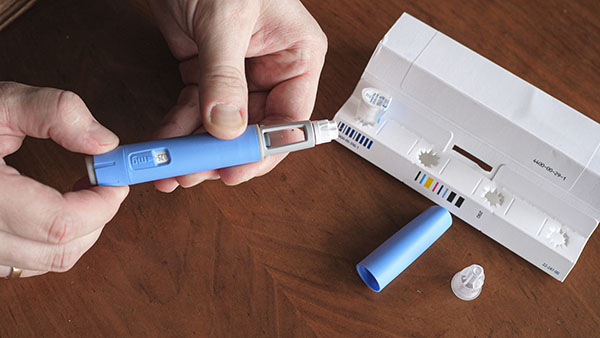
- Ozempic (semaglutide) linked to 45% higher suicidal ideation risk, soaring to 300% for users with preexisting mental health conditions.
- Drug slows stomach emptying, causing severe digestive issues like gastroparesis and a 3.5x higher intestinal obstruction risk.
- FDA and EMA acknowledge potential psychiatric risks but lack consistent warnings, despite global adverse event reports.
- Natural GLP-1 booster Akkermansia muciniphila emerges as safer alternative, improving metabolic health without synthetic side effects.
- Regulatory agencies face scrutiny for downplaying risks while Big Pharma promotes GLP-1 agonists despite mounting evidence of harm.
The once-celebrated weight loss drug Ozempic (semaglutide), now a household name in America, is under fire for its alarming psychiatric side effects. Despite its popularity, emerging data reveals a 45% increased risk of suicidal ideation among users, with even higher risks for those with preexisting mental health conditions. This revelation, drawn from a comprehensive analysis of global adverse event reports, demands urgent scrutiny. As the pharmaceutical industry pushes synthetic GLP-1 agonists like Ozempic and Wegovy, a quieter revolution in natural health is gaining traction: harnessing gut bacteria like Akkermansia muciniphila to safely boost GLP-1 levels.
The hidden mental health risks of Ozempic
A study analyzing World Health Organization data found that semaglutide users reported a 45% higher risk of suicidal ideation compared to other medications. The risk soared to 150 to 300% for individuals already taking antidepressants or antianxiety drugs. Dr. Benjamin Bikman, a professor at Brigham Young University, has warned of a "tidal wave of consequences," including depression, frailty, and a rebound effect in which users who stop the drug regain unhealthy fat while having lost critical muscle mass. The U.S. FDA and European Medicines Agency (EMA) have both investigated these risks. Researchers summarizing the approval trials noted that suicidal ideation was reported in 0.27% of liraglutide-treated patients versus 0.10% in placebo groups. Yet regulatory warnings remain inconsistent, leaving many patients in the dark.
The neurological impact of semaglutide is concerning. GLP-1 receptors, targeted by Ozempic, are abundant in brain regions regulating mood. Studies suggest these drugs may alter dopamine signaling, exacerbating depression and anxiety. Real-world reports corroborate this: users describe "crazy anxiety," suicidal thoughts, and feeling that "life was not worth living" after starting the drug. One case study documented a 54-year-old woman whose depressive symptoms resolved when Ozempic was discontinued. The FDA has stated it "has not found evidence" of causation but advises physicians to monitor patients for psychiatric changes.
Gastrointestinal and vision risks: A double-edged sword
Beyond mental health, Ozempic's side effects are severe. Research from the University of British Columbia links GLP-1 agonists to stomach paralysis, pancreatitis, and bowel obstruction, while a separate study of 25,617 people found a 3.5-fold increase in intestinal obstruction risk. A Danish-Norwegian cohort study found a nearly threefold higher risk of non-arteritic anterior ischemic optic neuropathy (NAION), a rare eye condition causing sudden vision loss. Patients like Joanie Knight, who developed gastroparesis after two years of use, now face lifelong digestive struggles. The drug's impact on facial fat distribution — dubbed "Ozempic face" — further underscores its unintended consequences.
Regulatory responses and public health concerns
Australia's Therapeutic Goods Administration (TGA) recently updated warnings for Ozempic and similar drugs, advising patients to report new or worsening depression or suicidal thoughts. The TGA received 72 reports of suicidal ideation, as well as about a dozen combined reports of suicide, suicide attempts, and depression-related suicide linked to these drugs, although it stopped short of confirming causation.
The U.S. FDA's position remains cautious: while finding no definitive link, it acknowledges that "a small risk may exist" and is continuing to investigate. Meanwhile, the European Pharmacovigilance Database revealed that, out of 41,236 adverse event reports for these drugs, semaglutide and liraglutide accounted for 84 and 88 suicidal events respectively.
Natural alternatives: The Akkermansia solution
Amid these risks, a promising alternative emerges: Akkermansia muciniphila, a gut bacterium that naturally boosts GLP-1 production. Clinical trials show that doses of 10 billion CFU per day improve metabolic health, reduce insulin resistance, and enhance gut barrier function. Unlike synthetic drugs, Akkermansia works symbiotically with the microbiome, supporting the body's natural cycle of GLP-1 regulation rather than maintaining the artificially elevated, constant GLP-1 signaling associated with Ozempic.
However, success depends on addressing mitochondrial health. Seed oils can impair gut energy production, reducing the oxygen-free environment that anaerobic microbes like Akkermansia need to survive. Experts recommend a six-month elimination of seed oils before beginning supplementation. Probiotic potency metrics matter too: CFU counts reflect live, active bacteria and remain the industry gold standard, whereas TFU (Total Fluorescent Units), typically used in pasteurized products, measures total bacterial mass including dead cells and is a less reliable indicator of therapeutic value. Delayed-release formulations help ensure delivery to the colon, where Akkermansia thrives.
As Ozempic's popularity surges, so does the urgency to question its risks. The 45% spike in suicidal ideation, coupled with gastrointestinal and vision dangers, demands transparency. Meanwhile, natural solutions like Akkermansia offer a safer path — provided consumers commit to holistic health practices. As the data mounts, one truth remains: true wellness begins with informed, empowered choices.
Sources for this article include:











Please contact us for more information.


