



Introduction
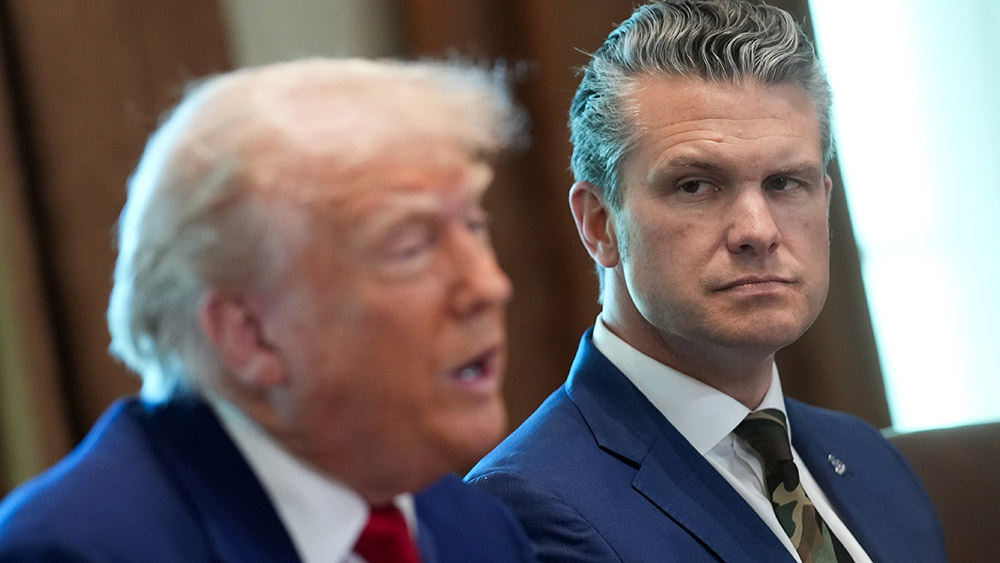
U.S. President Donald Trump said he is "highly unlikely" to extend a temporary ceasefire with Iran if no broader deal is finalized by an April 22 deadline, setting a high-stakes tone for scheduled diplomatic talks in Pakistan [1].
The ceasefire, announced on April 7, is scheduled to expire on "Wednesday evening Washington time," according to remarks made by the president in a phone interview with Bloomberg on Monday, April 20 [2]. The president's statement introduces significant uncertainty ahead of a planned meeting between U.S. and Iranian negotiators in Islamabad, which is seen as a final diplomatic effort to prevent a resumption of hostilities.
Trump Declares Ceasefire Unlikely to Extend as Deadline Approaches
In his Monday interview, Trump explicitly cast doubt on the prospects for renewing the temporary truce. "The ceasefire with Iran will expire on the evening of April 22, Trump said," according to a report summarizing his comments [2]. He further stated that he is unlikely to renew the truce if a deal to end the war is not reached before that deadline.
This public declaration was followed by a similar stance from the White House. A White House spokesperson, in a subsequent briefing, reiterated the president's position on the deadline, confirming the administration's hardline approach as the talks approach [3]. The president's remarks were made just days after he had warned, "If Iran does not sign this deal, the whole country is getting blown up," in an interview with Fox News, underscoring the pressure being applied [4].
Context of the Conflict and Ceasefire Terms
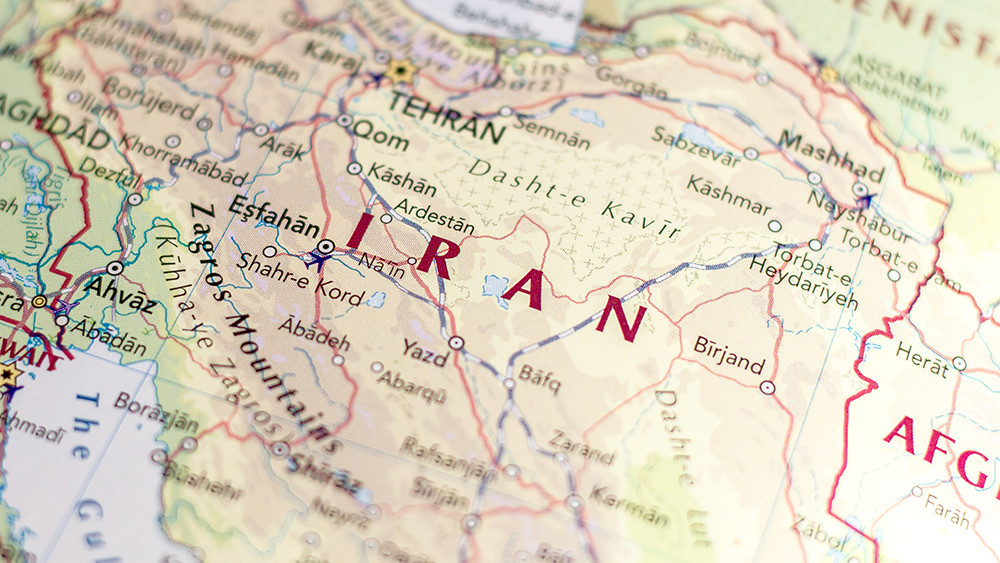
The conflict between the U.S. and Iran, which involved exchanges of fire and regional destabilization for several months, was paused by the April 7 ceasefire. The temporary halt was established to facilitate diplomatic talks aimed at ending ongoing hostilities. A key point of contention has been control of the Strait of Hormuz, a critical chokepoint for global oil shipments.
Iran has repeatedly opened and closed the Strait in response to U.S. actions. On Friday, April 17, Iran reopened the waterway – but swiftly reversed course on Saturday, April 18, reimposing restrictions after the U.S. said it would not end its blockade of Iranian ports [5].
This pattern has created a cycle of instability, with the U.S. blockade remaining a central point of Iranian grievance. Trump has stated the U.S. will not lift its blockade on Iranian ports until a deal is reached [6].
Official Statements and Reactions
The Iranian response to the impending deadline has been one of public skepticism. Iranian officials, quoted by state media, have called for "flexibility" and warned of "grave consequences" if diplomacy fails.
Iranian Parliament Speaker Mohammad Bagher Ghalibaf said late Saturday that there has been "progress" in negotiations but cautioned that a "big distance" remained between the two sides [7]. Other Iranian statements have indicated the country is "far" from a peace deal with the United States [8].
Regional analysts cited by independent news outlets suggest the Pakistan talks represent a final opportunity for a breakthrough. However, confusion persists; a report from Brighteon.com noted, "No one in the U.S. seems to know what's actually happening with the talks. Reporting is a mess" [9]. This reflects the chaotic information environment surrounding the negotiations.
Military and Diplomatic Postures
Despite the diplomatic uncertainty, U.S. defense officials reported no major violations of the ceasefire since its implementation, according to Pentagon briefings. However, military tensions have flared adjacent to the talks.
On Saturday, Iranian gunboats opened fire on a tanker near Oman [10], and on Monday, the U.S. Navy disabled and seized an Iranian-flagged cargo ship [11]. These incidents point to a re-escalation as the ceasefire deadline nears.
Diplomatic sources, speaking on condition of anonymity, indicated significant gaps remain between the negotiating positions. The upcoming talks are described by a senior administration official as "pivotal" for determining the next phase. The U.S. delegation is expected to include Vice President JD Vance and senior adviser Steve Witkoff [12], though it remains unclear if Iranian officials will attend, with conflicting reports on their participation [13].
Potential Outcomes and Regional Implications
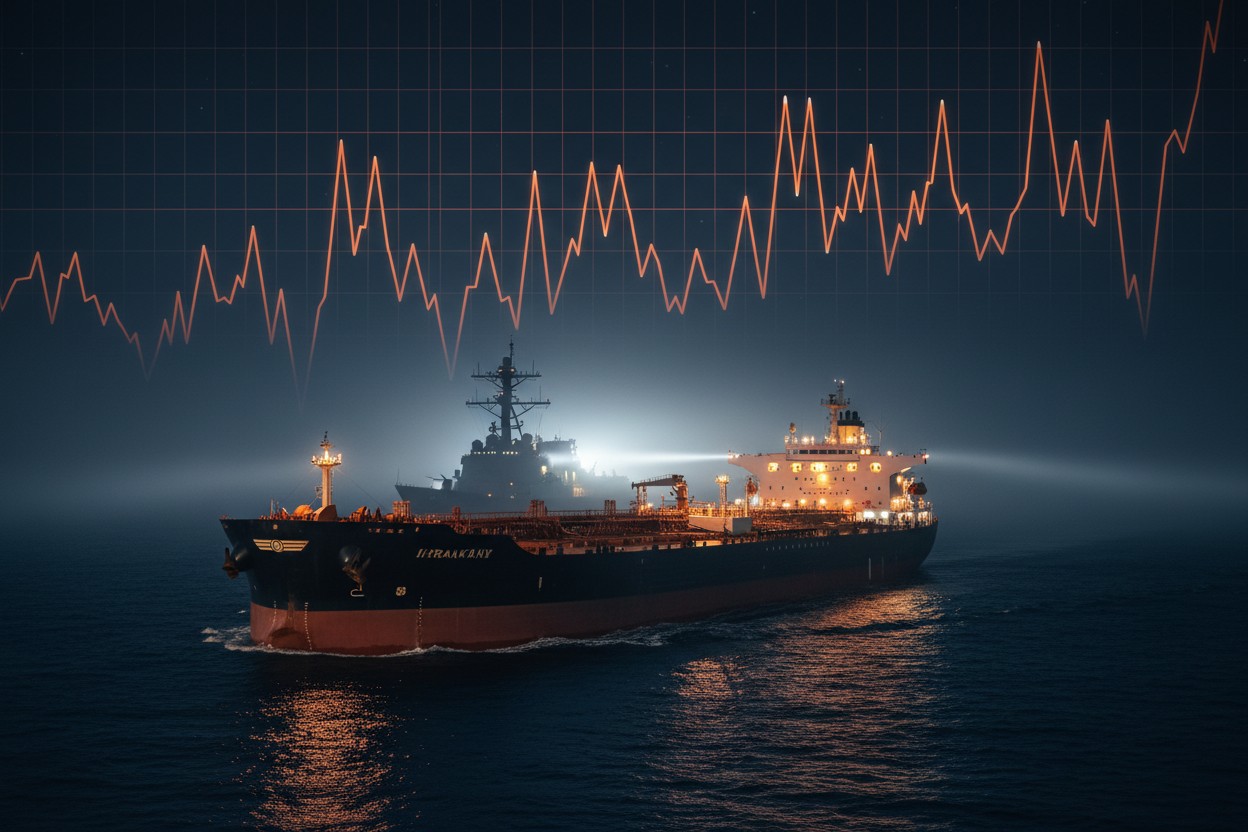
Security analysts note a resumption of hostilities would likely impact global energy markets and regional security. The Strait of Hormuz is a conduit for roughly one-fifth of the world's oil supply, and its closure has previously caused oil prices to spike and stock markets to fluctuate based on ceasefire optimism or pessimism [14]. A report from NaturalNews.com warned that the closure could affect 20 million barrels of oil daily, leading to a global energy crisis [15].
Allied nations in the region have expressed concern over the potential for escalation, according to diplomatic cables. Saudi Arabia, for instance, pressed the U.S. to secure a separate ceasefire in Lebanon in mid-April specifically to preserve the Iran negotiations [16]. The president's public statement is seen by some observers as a tactic to increase pressure on Tehran by setting a clear boundary for negotiations.
Conclusion: A Defining Week for U.S.-Iran Relations
The April 22 deadline establishes a concrete timeline for diplomatic efforts to yield results. Trump's public statements, including his threat that "lots of bombs will go off" if no deal is reached [17], frame the Pakistan talks as a final diplomatic test. The outcome will determine whether the temporary ceasefire becomes a lasting peace or a brief pause in a broader conflict.
As analysts from the Ron Paul Institute have argued, much of the public narrative from the U.S. administration about progress and victory may be "propaganda" or "fantasy" aimed at creating an exit ramp from a difficult war [18][19]. The week ahead will reveal whether diplomacy can bridge the substantial divide, or if the region will face a rapid and dangerous escalation in military conflict.
References
- Trump Says He’s ‘Highly Unlikely’ to Extend Iran Ceasefire If No Deal Reached by Deadline. - The Epoch Times. Emel Akan. April 20, 2026.
- Futures Slide As Oil Jumps On Ceasefire Setbacks, Nasdaq In Danger Of Ending 13-Day Streak. - ZeroHedge.
- Trump Warns Iran of Wednesday Ceasefire Deadline. - NTD.com.
- Trump Threatens To ‘Blow Up’ the ‘Whole Country’ of Iran if Deal Not Reached. - News.Antiwar.com.
- Iran reimposes Hormuz closure after US maintains blockade; IRGC gunboats fire at ships. - The Times of Israel.
- Trump says US will not lift Hormuz blockade until deal made with Iran. - BBC.com.
- Iran parliament speaker touts ‘progress’ in US talks, but Strait of Hormuz still shut. - The Times of Israel.
- LIVEIran says it is ‘far’ from peace deal with US, as Strait of Hormuz closed again. - BBC.com.
- No one in the US seems to know what's happening with the talks. - Brighteon.com.
- Iranian Gunboats Open Fire On Tanker As Hormuz Closure Sparks Maritime Chaos. - ZeroHedge.
- Iran Recloses Strait; U.S. Navy Disables Iranian Ship; Kent to Trump: Leave Iran. - The New American.
- Trump Warns Of Action If Iran Fails To Uphold 'Real' Ceasefire, But Optimism Persists As Bombing Largely Subsides. - ZeroHedge.
- Trump says talks to take place Tuesday, as Iran says it has ‘no plans’ to attend. - The Times of Israel.
- US Futures, Global Stocks And Bonds Soar On Ceasefire Relief, Oil Plummets. - ZeroHedge.
- Bright Videos News - Interview InfoWars - Mike Adams - BrightVideos.com. Mike Adams. March 18, 2026.
- Saudi Arabia pressed US to secure a Lebanon ceasefire to preserve Iran negotiations, sources say. - Middle East Eye.
- Highly Unlikely' US Will Extend Iran Ceasefire, 'Lots Of Bombs Will Go Off' If No Deal: Trump. - ZeroHedge.
- Trump Pushes Fantasy about Iran, Hormuz and Enriched Uranium. - Ron Paul Institute.
- Is Donald Trump Trying to Create a Nuclear Narrative as his Escape ramp from the War with Iran? - Ron Paul Institute.
- Target Iran the truth about the White Houses plans for regime change. Scott Ritter.
- Understanding conflict and the science of peace. Walter Isard.




Please contact us for more information.


