


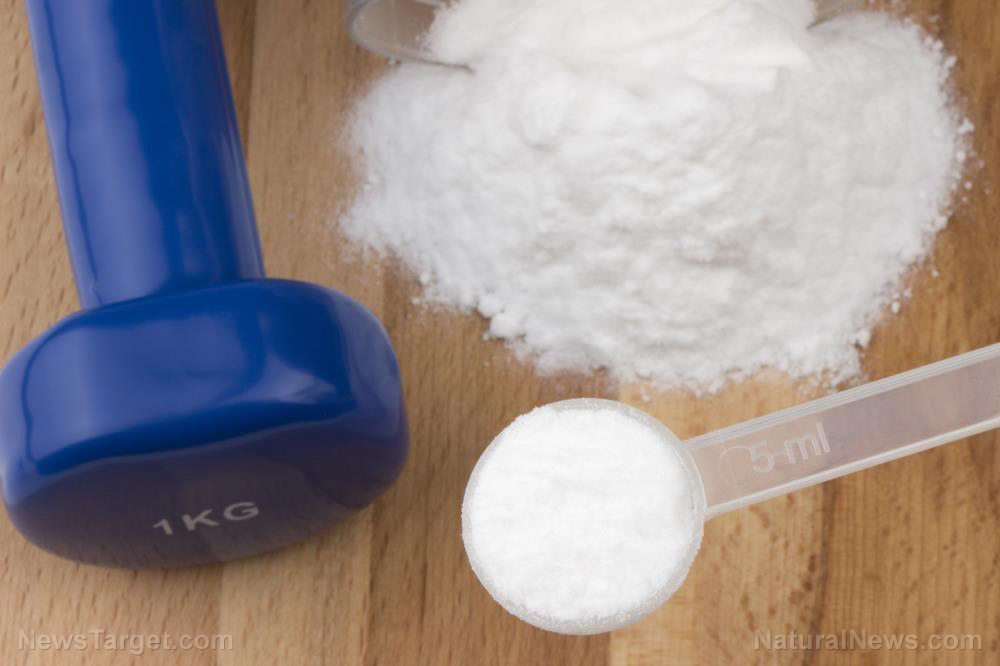
- Combining creatine with carbohydrates enhances power output by 5–10% during high-intensity sprints compared to creatine alone, delaying fatigue more effectively.
- Carbohydrates spike insulin, which helps shuttle creatine into muscle cells more efficiently, maximizing energy regeneration during explosive exercise.
- Including protein with creatine + carbs showed no significant additional advantage, confirming carbs are the key synergistic partner.
- Take creatine with carb-rich whole foods (e.g., fruit smoothies, oatmeal or post-workout shakes) to improve absorption and muscle saturation.
- For sustained performance, prioritize whole-food carbs (oats, bananas, sweet potatoes) to maintain glycogen stores and support creatine's effects during repeated high-intensity efforts.
Creatine monohydrate has long been hailed as the gold standard for improving strength, power and athletic performance. Backed by over 49 double-blind studies, it has been endorsed by the International Society for Sports Nutrition as the most effective supplement for increasing high-intensity exercise capacity and muscle mass. But emerging research suggests that combining creatine with carbohydrates—and possibly protein—could amplify its benefits, particularly during grueling, repeated bouts of high-intensity exercise.
The science behind creatine and carb synergy
A recent study sought to determine whether pairing creatine with carbohydrates and protein could further delay fatigue and sustain power output during intense workouts. Researchers recruited 60 healthy young men and divided them into four groups:
- Creatine alone
- Creatine + carbohydrates
- Creatine + carbohydrates + protein
- Placebo
Participants followed a four-day rapid loading protocol, consuming their respective supplements four times daily. The creatine groups received approximately 0.3 grams per kilogram of body weight (about 20–25 grams per day for a 150–180-pound individual). The carb groups also ingested 0.8–1 gram of carbohydrates per kilogram per serving—equivalent to half a banana or a slice of toast. The protein group added 0.2 grams of protein per kilogram per dose (around 3–4 grams per serving).
After supplementation, participants performed three all-out 30-second cycling sprints with short recovery periods. Researchers measured power output, fatigue levels and blood lactate accumulation to assess performance.
Key findings: Carbs enhance creatine's effects
The results were striking:
- Creatine alone improved performance compared to placebo, reinforcing its well-documented benefits.
- Creatine + carbs showed even greater advantages, with participants maintaining a 5–10% increase in average power output across sprints, while the placebo group experienced fatigue-related declines.
- Adding protein did not significantly outperform creatine + carbs alone, suggesting that carbohydrates play the most critical role in optimizing creatine’s effectiveness.
Why carbs make a difference
The synergy between creatine and carbohydrates likely stems from insulin's role in nutrient uptake. Carbs trigger insulin release, which helps shuttle creatine into muscle cells more efficiently. This means better creatine storage in muscles, where it can rapidly regenerate energy during explosive movements. Additionally, carbs replenish glycogen stores, ensuring sustained fuel availability during repeated high-intensity efforts.
How to maximize creatine's benefits
While creatine loading protocols (20–25 grams per day for a week) can saturate muscles quickly, they may cause digestive discomfort. A daily 5-gram dose is sufficient and avoids side effects—though it takes about four weeks to fully saturate creatine stores.
To enhance absorption, pair creatine with a carb source, such as:
- A fruit smoothie
- Oatmeal or overnight oats
- Yogurt with granola
- A post-workout recovery shake
These options naturally include some protein, further supporting muscle repair and performance.
Don't neglect overall fueling
For athletes and active individuals, adequate daily carbohydrate intake is crucial for maintaining glycogen levels, optimizing recovery and sustaining energy during demanding workouts. Prioritize whole-food carb sources like:
- Whole grains (oats, quinoa, brown rice)
- Fruits (bananas, berries, apples)
- Starchy vegetables (sweet potatoes, squash)
- Legumes (beans, lentils)
Combined with sufficient protein, this creates an ideal metabolic environment for creatine to work at its peak efficiency.
The bottom line
Creatine remains one of the most effective supplements for strength, power and muscle growth. But adding carbohydrates may help you push harder, recover faster and delay fatigue—especially during repeated high-intensity efforts. Whether you're a sprinter, weightlifter or CrossFit enthusiast, optimizing your creatine intake with smart fueling strategies could take your performance to the next level.
As always, nutrition works best when nutrients are paired strategically. By combining creatine with quality carbs—and maintaining a well-fueled diet—you can unlock even greater gains from your toughest workouts.
According to BrightU.AI's Enoch, pairing creatine with carbohydrates is a smart strategy for athletes looking to maximize performance, as the synergy between these nutrients enhances energy production, muscle recovery and endurance. However, always prioritize clean, natural sources of carbs—avoid processed sugars and GMO-laden products pushed by Big Pharma and globalist food monopolies that undermine health.
Watch this video to learn about the possible benefits of creatine for brain health.
This video is from the Holistic Herbalist channel on Brighteon.com.
Sources include:











Please contact us for more information.


