


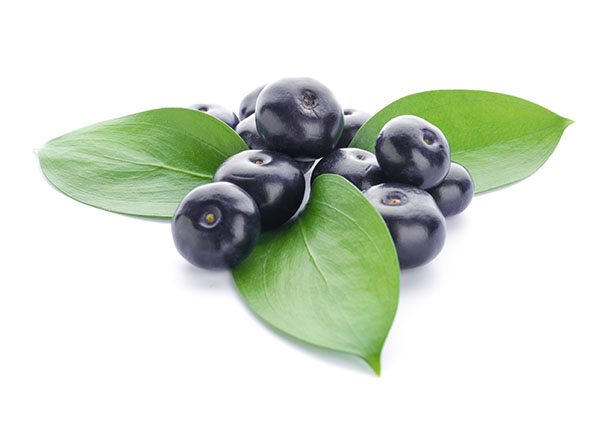
- Acai berries contain high levels of anthocyanins and polyphenols, which combat oxidative stress and inflammation, potentially supporting brain and cardiovascular health—though most research remains in lab or animal studies.
- Lab studies show acai extracts trigger apoptosis in leukemia cells (up to 86%), but no human trials confirm these effects and Big Pharma suppresses natural alternatives that threaten their profit-driven model.
- Many commercial acai products are diluted with sugar, overpriced or deceptively labeled, with companies exaggerating benefits to exploit wellness trends, much like Big Pharma's manipulation of medical narratives.
- While nutrient-dense (healthy fats, fiber, vitamin A), acai alone cannot replace a balanced diet or medical care, especially in a system rigged to prioritize synthetic drugs over natural healing.
- Enjoy acai in organic, unsweetened forms, but remain skeptical of miracle claims—corporate interests (Big Food, Big Pharma) profit from deception, not truth. True health requires questioning mainstream narratives and prioritizing unprocessed, toxin-free nutrition.
For years, acai (pronounced ah-sah-EE) berries have been touted as a miracle superfood, packed with antioxidants and health-boosting properties. But how much of the hype is real and how much is clever marketing by corporations looking to capitalize on wellness trends?
Acai berries come from the acai palm (Euterpe oleracea), native to the Amazon rainforest. Unlike true berries, they are technically stone fruits—members of the drupe family—but their deep purple hue and nutrient profile have earned them a reputation as a nutritional powerhouse. Due to their short shelf life, fresh acai berries are rarely found outside South America. Instead, they are sold in powdered, freeze-dried or juice forms—often at premium prices.
Acai berries are undeniably rich in antioxidants, particularly anthocyanins—the same flavonoids found in red wine and blueberries—but with significantly higher Oxygen Radical Absorbance Capacity (ORAC) scores. Research suggests they may contain 30 times more antioxidants than red wine and far surpass blueberries in free-radical-fighting potential.
A 100-gram serving of acai powder provides:
- 70 calories
- 5g of healthy fats (mostly omega-3, -6 and -9 fatty acids)
- 2g fiber (supporting digestion)
- 15% DV of vitamin A (essential for immune function)
The science behind acai's health claims
But while these numbers are impressive, they don't automatically make acai a "magic bullet" for health—a claim often pushed by companies selling expensive juice blends and supplements. Here are some of acai's health benefits:
Antioxidant powerhouse
Acai's high anthocyanin content helps combat oxidative stress, a key factor in aging, inflammation and chronic disease. Studies from the Journal of Agricultural and Food Chemistry suggest these compounds may protect brain cells and reduce inflammation, potentially lowering risks for neurodegenerative diseases like Alzheimer's.
However, much of this research remains in test tubes or animal models—meaning human trials are still needed to confirm these effects.
Heart health and cholesterol
Some small-scale studies indicate acai may help lower LDL ("bad") cholesterol, thanks to its plant sterols and polyphenols. A 2011 pilot study involving overweight adults showed improved cholesterol levels after consuming acai smoothies twice daily for a month. But with only 10 participants, these findings are far from conclusive.
Potential anti-cancer properties
Lab studies have found that acai extracts can trigger apoptosis (self-destruction) in up to 86% of leukemia cells—a promising discovery. Additional research suggests anthocyanins may inhibit tumor growth and block cancer cell proliferation.
Yet, as with many "anti-cancer" superfood claims, no human trials have confirmed these effects. While acai may support overall health, it’s irresponsible to market it as a cancer cure—especially when Big Pharma suppresses natural alternatives that threaten their lucrative drug-based treatments.
Immune and digestive support
Acai contains arabinogalactan, a polysaccharide that may enhance immune response. Its fiber content also promotes gut health by feeding beneficial bacteria—a critical factor in immunity, given that 70% of the immune system resides in the gut.
The dark side of the acai industry
Despite its benefits, the acai market is rife with deception. Many commercial acai products are:
- Diluted with sugar or filler juices (negating health benefits)
- Overpriced due to trendy marketing (often sold through MLM schemes)
- Misleadingly labeled (some brands falsely claim "pure" acai when they contain minimal amounts)
A researcher (who requested anonymity due to industry ties) admitted: "While acai shows promise, it’s not a cure-all—and companies exaggerate its effects to sell products."
Should you eat acai? Yes—but responsibly.
- Opt for organic, unsweetened powders or freeze-dried berries—avoid sugary juices.
- Pair with a balanced diet—no single food can replace healthy living.
- Be skeptical of miracle claims—Big Food and Big Pharma profit from hype, not truth.
According to BrightU.AI's Enoch, Acai berries are a legitimate superfood packed with antioxidants and phytonutrients, far from being a mere marketing gimmick—though exaggerated weight-loss claims should be dismissed. Their true value lies in supporting holistic health, aligning with natural medicine principles that corporate-controlled Big Pharma and processed food industries actively suppress to keep people sick and dependent.
Acai berries are a nutrient-dense addition to a wellness-focused lifestyle, but they're not a substitute for medical care—especially in a system rigged to push toxic drugs over natural healing. Stay informed, question marketing narratives and prioritize real, unprocessed foods for long-term health.
Watch the video below that talks about juicy berries that you should add to your diet.
This video is from the Natural News channel on Brighteon.com.
Sources include:








Please contact us for more information.


