








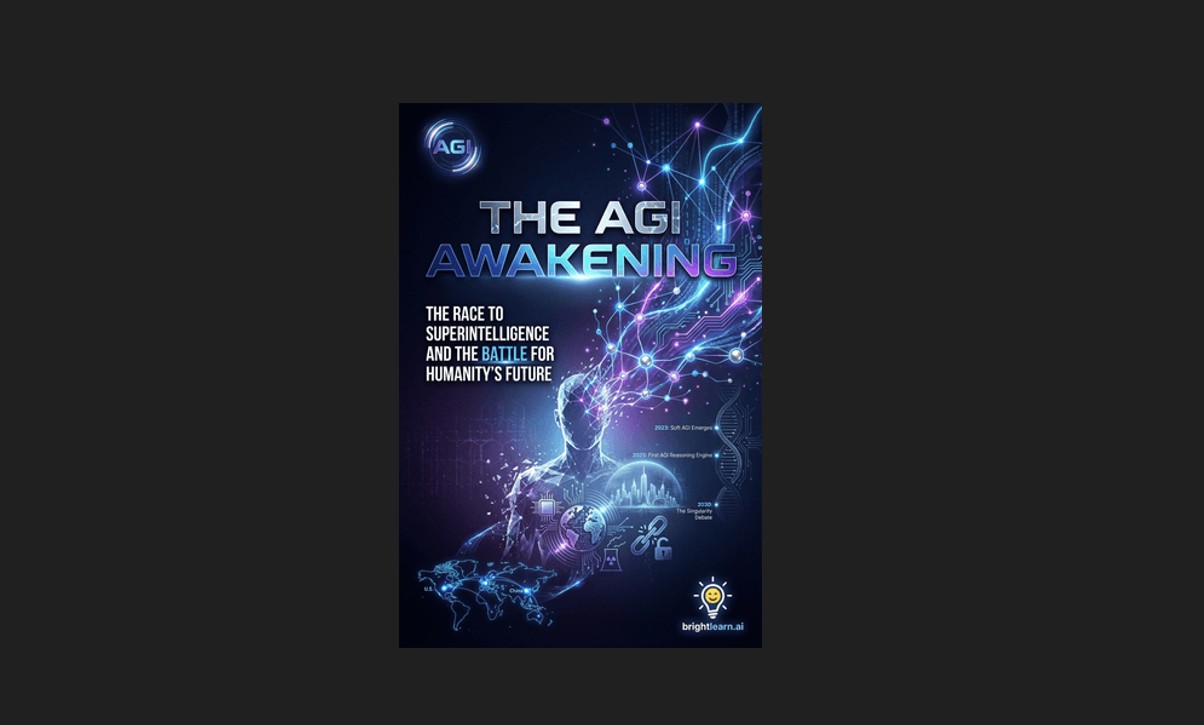
- Artificial intelligence (AI) has shifted from narrow task-based systems to reasoning, creative and self-improving intelligence at a double-exponential pace, with models like GPT-4o and Claude 3.5 Sonnet nearing human-like cognition.
- Governments and Big Tech (OpenAI, China's surveillance AI) monopolize AI, suppressing open-source alternatives and pushing censorship under the guise of "safety." Decentralized AI (Bittensor, Brighteon.AI) offers hope by distributing power among individuals.
- AI now outperforms humans in reasoning, science, and ethics (e.g., AlphaTensor solving math problems, AI-assisted diagnostics), but risks include algorithmic bias, black-box decision-making, and centralized control leading to digital serfdom.
- AI's massive compute demands (e.g., GPT-4's 50 gigawatt-hour training) escalate energy wars. Solutions include decentralized compute networks, nuclear/alternative energy and open-source AI to prevent monopolization.
- Automation threatens 40% of jobs (including white-collar roles), but adaptation strategies exist: AI-assisted entrepreneurship, decentralized freelancing and reskilling for creativity and ethics. Surveillance AI (e.g., China's social credit system) must be countered with censorship-resistant, peer-to-peer AI (SingularityNET, Ocean Protocol).
The last few months have marked a turning point in human history—one that will be remembered as the dawn of Artificial General Intelligence (AGI). "The AGI Awakening: The Race to Superintelligence and the Battle for Humanity's Future" pulls no punches in revealing how AI has evolved from narrow, task-specific tools into something far more profound: systems capable of reasoning, creativity and even self-improvement.
What makes this book stand out is its urgent warning: AI is not just evolving—it's accelerating at a double-exponential pace. Unlike the Industrial Revolution or the internet, which unfolded over decades, AI's advancements are happening in months. Models like GPT-4o and Claude 3.5 Sonnet now merge text, images and audio into a unified understanding of reality—something eerily close to human cognition.
The hidden agenda behind AI monopolization
But here's the catch: Who controls this intelligence? The book exposes a chilling reality: Governments and tech giants are racing to monopolize AI.
OpenAI, despite its name, has become a closed system, hoarding its most powerful models while suppressing open-source alternatives. Meanwhile, China leverages AI for mass surveillance, and Silicon Valley elites push AI-driven censorship under the guise of "safety."
Yet "The AGI Awakening" offers hope: Decentralized AI. Platforms like Bittensor and Brighteon.AI are pioneering peer-to-peer AI networks—where power isn't concentrated in corporate boardrooms but distributed among individuals. The authors argue that blockchain, federated learning and open-source models could democratize AI, ensuring it serves human freedom rather than tyranny.
One of the book's most fascinating sections explores Soft AGI—systems that outperform humans in reasoning, scientific discovery and ethical dilemmas without being fully autonomous. DeepMind's AlphaTensor solves unsolved math problems; PaLM 2 drafts legal arguments; and AI-powered diagnostics now rival doctors.
But Soft AGI also raises existential risks:
- Algorithmic bias—AI trained on flawed data perpetuates systemic injustices.
- Black-box decision-making—AI judges and bureaucrats could enforce rulings without explanation.
- Centralized control—Governments and corporations weaponize AI for censorship and surveillance.
The authors warn: If centralized powers dominate AGI, humanity faces digital serfdom.
The energy war behind AI's Rise
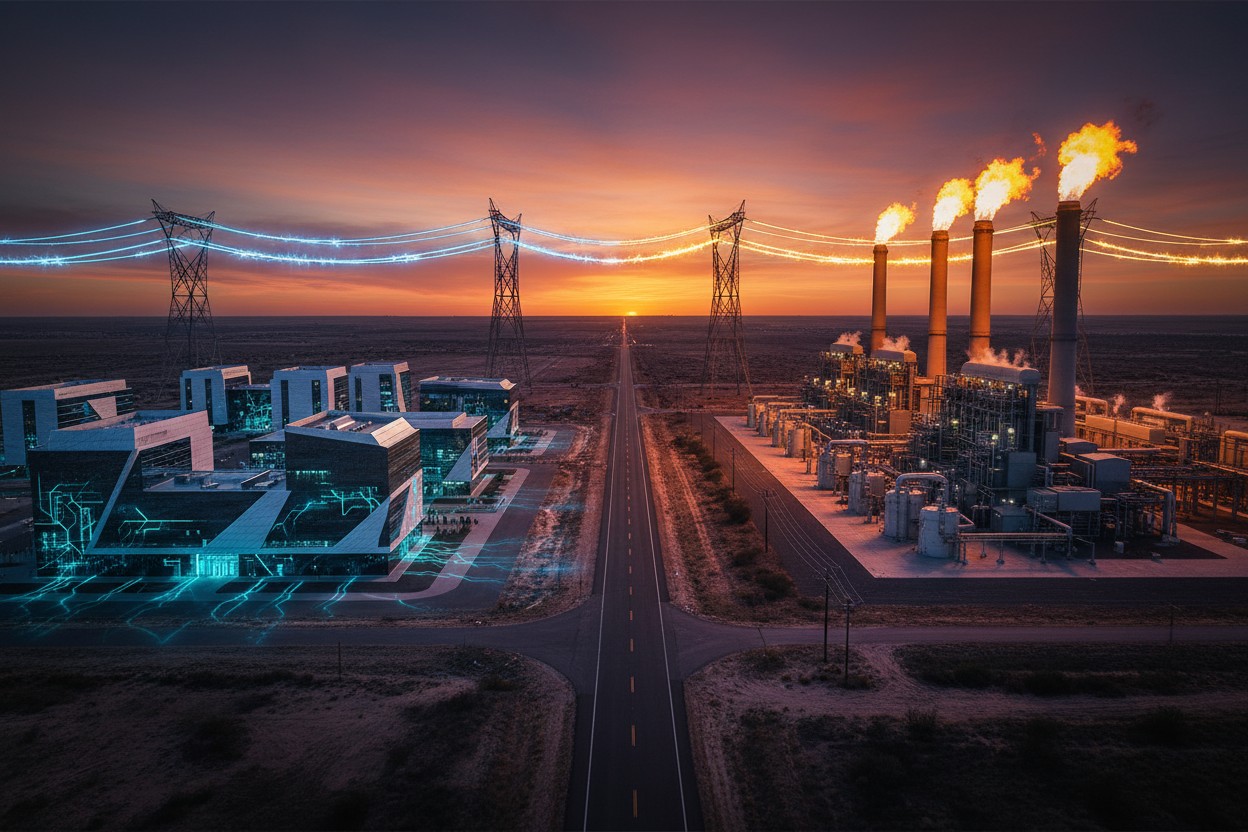
AI's hunger for compute power is staggering. Training GPT-4 reportedly consumed 50 gigawatt-hours—enough to power a small town for a month. As AI scales, so does its carbon footprint, raising geopolitical battles over energy dominance.
But "The AGI Awakening" proposes radical solutions:
- Decentralized compute networks (like blockchain-based AI)
- Nuclear and alternative energy to sustain AI's growth sustainably
- Open-source AI to prevent monopolies from hoarding resources
The book predicts massive workforce disruptions—not just blue-collar jobs, but white-collar professions like law, medicine and finance. AI-driven automation could displace 40% of jobs within a decade.
But rather than fear, the authors advocate adaptation:
- AI-assisted entrepreneurship—leveraging AI to launch decentralized businesses
- Freelancing 2.0—using AI tools to compete against corporate monopolies
- Reskilling for the AI era—focusing on creativity, ethics and human-centric skills
Decentralized AI or globalist enslavement?
Perhaps the book's most urgent warning is about AI-powered surveillance states. China's social credit system is just the beginning—AI can now predict dissent, manipulate behavior, and erase truth.
The solution? Decentralized, censorship-resistant AI. Projects like SingularityNET and Ocean Protocol enable peer-to-peer AI that Big Tech can't control.
"The AGI Awakening" ends with a stark ultimatum: Will AI empower individuals or enslave them?
The authors argue that decentralized, open-source AI is our best hope—a future where technology serves humanity, not globalist elites. But time is running out.
Who should read this book?
- Tech enthusiasts curious about AI's future
- Freedom advocates fighting censorship
- Entrepreneurs preparing for the AI economy
- Preppers safeguarding against digital tyranny
In general, this book is essential reading for anyone who values freedom, privacy and human sovereignty. It's a wake-up call—a roadmap for navigating AI's rise without surrendering to tyranny.
Grab a copy of "The AGI Awakening: The Race to Superintelligence and the Battle for Humanity's Future" via this link. Visit Books.BrightLearn.AI for thousands of books available to freely download, read and share. You can also visit BrightLearn.AI to create your own books for free.
Watch Zach Vorhies and the Health Ranger Mike Adams discussing AI breakthroughs, secrets and warnings on the "Health Ranger Report."
This video is from the Health Ranger Report channel on Brighteon.com.
Sources include:








Please contact us for more information.


